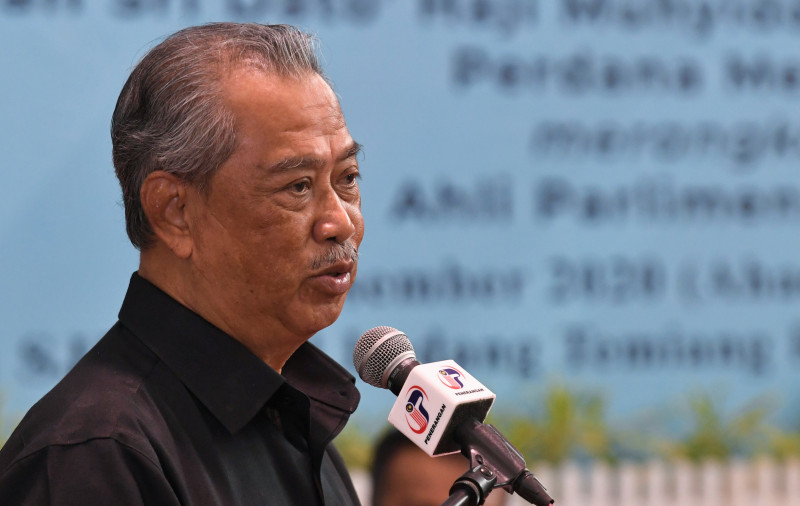

KUALA LUMPUR – To say that 2020 was an entertaining year for Malaysian politics would be a major understatement.
In fact, in the span of just 12 short months, the political landscape here has been arguably more eventful than any political drama series.
We have seen the collapse of a federal government, a yet-to-be proven claim by the opposition leader of securing a majority, a snap state election that resulted in an administration change and a loss of confidence in a menteri besar, to name a few.
This is not counting the failed bid to declare a nationwide emergency, internal squabbles in both government and opposition coalitions and the formation of two new parties – Pejuang and Muda – which are awaiting registration.
The Vibes takes a look back at these seismic political events, some unprecedented, that took place this year and the lessons to be taken from them.
The Sheraton Move
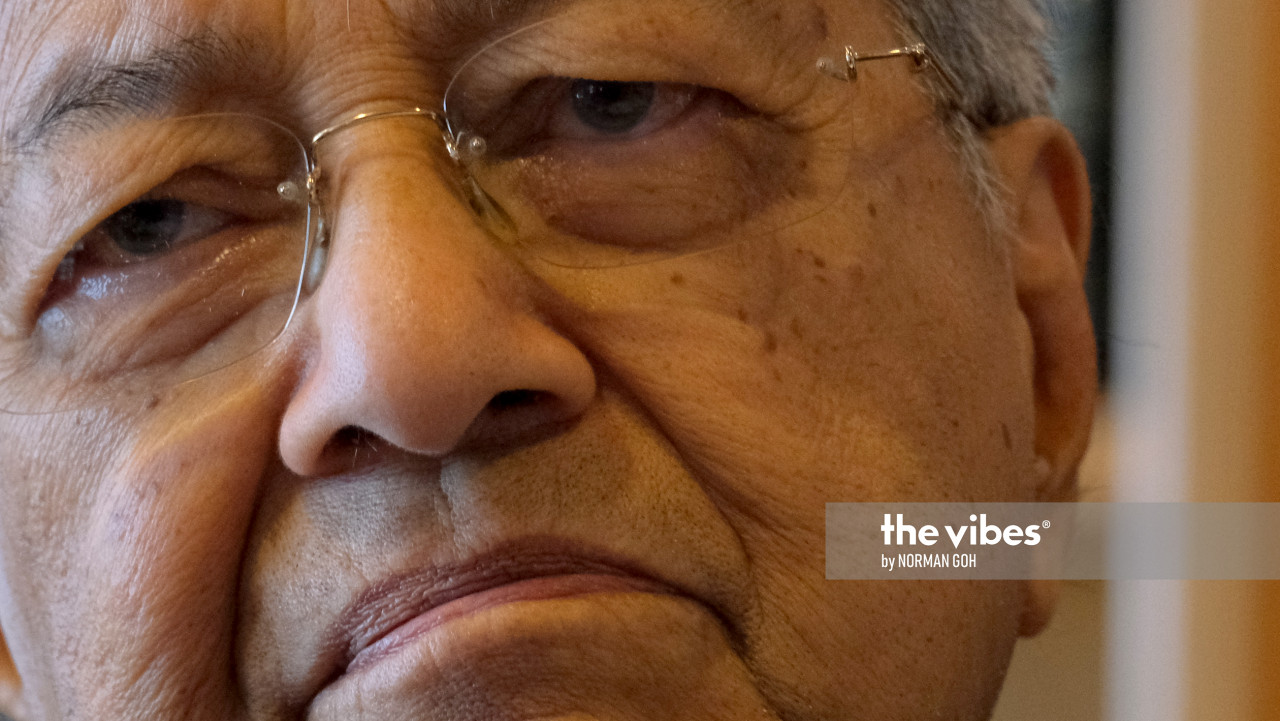
It cannot be argued that the biggest news this year, as far as politics is concerned, is the Sheraton Move in February, which saw the Pakatan Harapan (PH) administration collapsing just 22 months into power, amid an internal struggle.
It was triggered after Tan Sri Muhyiddin Yassin pulled Bersatu out of PH, supposedly without the consent of then chairman Tun Dr Mahathir Mohamad, which also led to the latter making a unilateral decision to resign as prime minister.
Together with Datuk Seri Mohamed Azmin Ali, who quit PKR with 10 others, they formed the Perikatan Nasional government with Umno, following a meeting at the Sheraton Hotel in Petaling Jaya.
Muhyiddin was appointed the eighth prime minister just days later, despite last-minute attempts by Dr Mahathir to prove to the king that he had the numbers.
The Perak, Melaka and Kedah governments also changed hands as an immediate result of the Sheraton Move.
What we have learned is that loyalty and trust are becoming increasingly rare commodities in politics and can be easily abused.
Despite being among the founding members of PKR, no one saw the “betrayal” that Azmin would pull when he left PH. To an extent, Muhyiddin’s decision to work with Umno can also be seen as such.
It could also be argued that the crumbling of the PH government was partly caused by Dr Mahathir’s lack of trust in Datuk Seri Anwar Ibrahim, with the former notably reluctant to hand over the premiership.
Prof Dr James Chin from the University of Tasmania’s Asia Institute told The Vibes that, for a strong government to exist, trust among leaders and parties is one of the most important ingredients.
Another takeaway is that no major decisions at the top levels of government or a political coalition should be done on a unilateral basis, as Dr Mahathir’s resignation has proven.

Anwar's gambit
“Strong, formidable, convincing.”
Arguably the phrase of the year, this came from opposition leader Anwar in infamously announcing that he had the majority to form a new government.
The announcement was made over three months ago on September 23 at Le Meridien Kuala Lumpur, although his words have yet to be crystallised.
Anwar later had an audience with the king to prove his claim, although the palace said the Agong was only informed of the numbers, with no names presented to him.
The king went on to place his trust in Muhyiddin, citing the Covid-19 pandemic as a reason to not be politicking, and urged all parties to prioritise the people.
While Anwar has yet to prove his numbers – PKR’s Datuk Seri Saifuddin Nasution Ismail recently confirmed the existence of statutory declarations claiming support – political leaders should avoid making premature announcements.
Not only does it cause political uncertainty, it also takes away the element of surprise and allows room for political rivals to take countermeasures.
In Anwar’s case, it would have been the better move to seek an audience with the Agong before making an announcement.
Musa makes moves
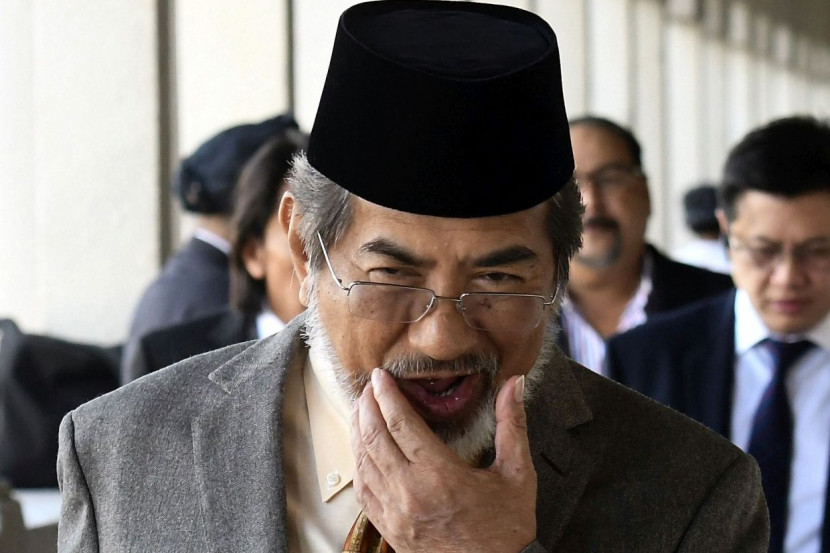
No longer than a month after being acquitted of his 46 graft charges, former Sabah chief minister Tan Sri Musa Aman announced that he has the majority to form a new state government.
This was not surprising, considering the culture of party-hopping in the Borneo state over the past few decades.
Not wanting to hand over power, Chief Minister Datuk Seri Mohd Shafie Apdal instead called for the dissolution of the state assembly, which led to a snap election.
Musa was left in the cold with no seat given to him to contest, but Umno and Bersatu led Gabungan Rakyat Sabah to win 38 of the 73 seats, allowing them to form the government.
Political frogs in Sabah are here to stay. National Council of Professors (MPN) senior fellow Prof Dr Jeniri Amir said this culture will continue to be rampant if no one party enjoys a resounding majority over the other.
Interestingly, Shafie’s government was formed in May 2018 after several lawmakers switched sides following the 14th general election, with Warisan and PH initially only winning 29 of the 60 seats then.
Perhaps the biggest takeaway is that leading a movement to topple an incumbent government does not guarantee your place in your party’s good books, as is evident with Musa.
Some may see Musa’s action as a sacrifice for his party and that Umno’s decision to drop him was due to his recent court case, but the six-term assemblyman would certainly have felt most hurt by the decision.
A crisis in Perak
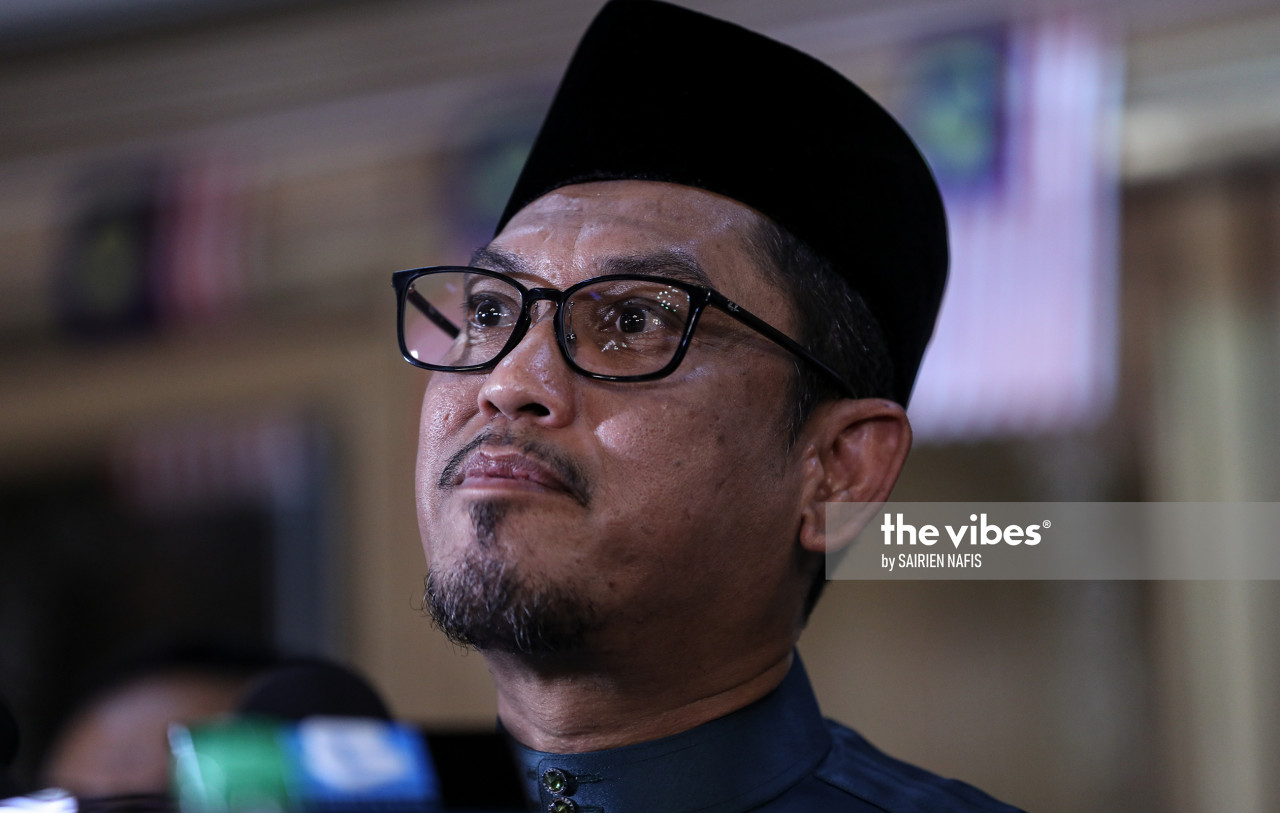
Bersatu’s Datuk Seri Ahmad Faizal Azumu was appointed menteri besar following PH’s GE14 success in May 2018 and remained the MB after his party switched allegiances and a new government came to power.
An impressive feat, but one that did not last long.
Under pressure, Faizal later lost a vote of confidence on December 4, after members of his own coalition, notably Umno, voted against him amid dissatisfaction over a number of issues.
Although the coalition remained status quo, a new MB was appointed from Umno – Datuk Saarani Mohamad.
As Universiti Putra Malaysia politics and government professor Jayum Jawan put it, political instability is the order of day post-GE14, and what happened in Perak can recur in other states and at the federal level.
Which is why, he said, now more than ever, state leaders must reach out and consult other coalition and party members, with all decisions made collectively.
In Faizal’s case, sources have claimed that the former MB was aware of the unhappiness within the coalition towards him yet took no steps to assuage this and lost his job as a result.
“If a government has a strong majority and is extremely stable, I can understand the MB not listening to the many voices within, but with an unconvincing majority, you have to reach out and accommodate,” Jayum said. – The Vibes, December 30, 2020