MALAYSIA is bracing for mounting economic strain as conflict in the Gulf disrupts trade routes and drives oil prices higher, with ministers acknowledging immediate logistical impacts and economists warning of broader inflationary and fiscal consequences.
Investment, Trade and Industry (MITI) Minister Datuk Seri Johari Abdul Ghani said disruptions to shipping and aviation were already evident following military strikes on Iran by the United States and Israel.
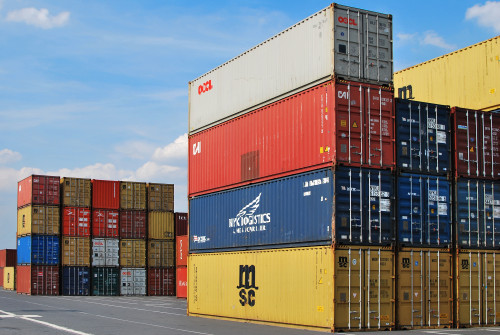
“At this moment, whenever any war occurs, it will certainly affect the flow of our trade,” he said, adding that vessels were encountering access difficulties in certain zones.
“Sometimes, when ships want to enter certain areas, they cannot.
“Like yesterday (Saturday), several aircraft had to turn back and some could not even depart.
“This is one of the disruptions to our economy,” New Straist Times quoted him saying at a Ramadan outreach and breaking-of-fast event in Kuala Lumpur last night.
Johari emphasised that the fallout would extend beyond Malaysia.
“All countries — when there is such a war — will face higher risks and trade will be disrupted or may have to take longer routes than usual.”
He warned that prolonged instability would weigh more heavily on growth.
“If this continues, the economy will certainly be affected.”
On foreign direct investment, he said the government was still assessing the implications, but conceded there would be some effect.
Oil windfall tempered by subsidy risks
Economists say Malaysia could derive near-term benefits from rising crude prices amid fears of supply disruption around the Strait of Hormuz, a vital artery for global energy shipments. However, they caution that sustained volatility could erode those gains.
Dr Geoffrey Williams said Malaysia’s position as an oil exporter placed it in a comparatively favourable spot if prices continued climbing. With crude already trading above US$70 per barrel, he projected prices could reach US$80 to US$90 in the coming week if uncertainty endures.
Higher prices would lift revenues for national energy company Petronas and increase government income through petroleum-related taxes and dividends. Yet he noted that this would also inflate the cost of subsidising RON95 fuel domestically.
“On balance, higher oil prices are better for Malaysia, but may push subsidy rationalisation quicker towards a tiered prices system.”
Williams added that the ringgit’s resilience provided some insulation against external volatility and that most sectors were reasonably shielded from immediate shock. Tourism could soften in the short term, particularly where European travellers rely on Middle Eastern transit hubs en route to Southeast Asia, though he anticipated the impact would be temporary.
indirect transmission channels
Dr Hamidah Mohd Yusop argued that Malaysia’s exposure stems less from direct trade with Iran and more from its deep integration into global commodity markets and supply chains.
“The most immediate transmission mechanism is energy. Heightened tensions in the Gulf typically increase crude prices due to supply uncertainty.”
Although Malaysia produces oil and gas, domestic pricing structures and industrial input costs remain tied to global benchmarks. Sustained increases in crude prices would gradually raise transport and production costs, potentially feeding into broader inflation expectations.
She also highlighted the likelihood of rising freight rates and war-risk insurance premiums if maritime corridors are perceived as unsafe, increasing costs for exporters and importers alike.
“Over time, these added costs may be passed through supply chains, influencing food prices, industrial inputs and retail goods,” she said.
Duration Critical To Impact
Hamidah stressed that the longevity of the conflict would determine the scale of economic consequences.
A brief spike in energy prices would likely be manageable. However, if elevated prices persist for several months, the pressure would become more entrenched across transportation, electricity generation and food distribution.
“Sustained increases in fuel and energy costs would gradually feed into transportation, electricity generation and food distribution expenses.”
Businesses may initially absorb higher input costs, but prolonged strain would typically be passed on to consumers.
While petroleum-linked revenues could strengthen public finances, she cautioned that the fiscal outcome is uncertain.
“If global fuel prices rise and domestic prices are shielded through broad subsidies, government expenditure may increase significantly,” she said. - March 2, 2026