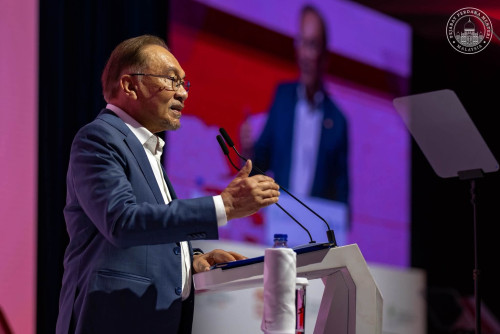
MALAYSIA must ensure the growing influx of cheaper electric vehicles (EVs) is matched by a comprehensive support ecosystem, rather than allowing manufacturers and importers to focus solely on sales, says Investment, Trade and Industry (MITI) Minister Datuk Seri Johari Abdul Ghani.
He said the Government was not opposed to the development of EV technology, but the transition could not be pursued aggressively without taking into account the country’s readiness in terms of infrastructure and support facilities.
Johari said the issue was particularly important because EVs had yet to develop the mature ecosystem enjoyed by internal combustion engine (ICE) vehicles, which had been supported for decades by extensive service centres, spare-parts networks and petrol stations.
“If we want to bring cheaper EVs into the country, two things must be ensured. First, those bringing in the vehicles must ensure that the supporting ecosystem is also established.
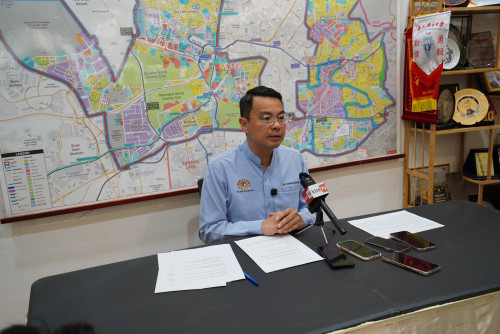
“If there is no ecosystem and the sole aim is to sell cars, it will become a problem for the people who buy them,” he said when speaking at the opening ceremony of the Autodeutsch Petronas AutoExpert Flagship Service Centre here yesterday.
Johari said public charging infrastructure must also be expanded substantially, particularly as not all EV owners had access to home charging facilities.
He said residents living in apartments, flats and Projek Perumahan Rakyat (PPR) housing could face difficulties installing or accessing EV chargers because of building management issues and limitations in electricity supply capacity.
“If residents of flats buy cheaper EVs but there are no public chargers, they will eventually complain to the Government because the facilities have not been provided,” he said.
Johari said the Government also had a responsibility to ensure Malaysia’s automotive industry kept pace with technological advances without disrupting the existing ecosystem supporting conventional vehicles.
He said the EV transition therefore had to be accompanied by adequate charging infrastructure, servicing capabilities and other support facilities to ensure consumers were not left without essential services after purchasing the vehicles. - August 9, 2026