


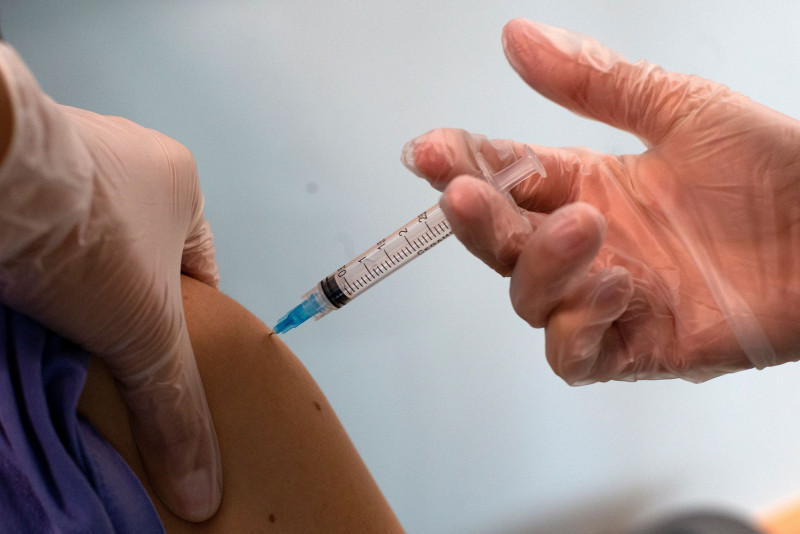
KUALA LUMPUR – The Association of Malaysia’s Maritime Professionals (Ikmal) is suggesting seafarers be given priority in receiving inoculations in the first phase of the National Covid-19 Immunisation Programme.
In a statement today, Ikmal said seafarers who have been vaccinated will be able to serve on ships and continue supporting the critical maritime transport supply chain.
It said the move could also reduce travel restrictions imposed on seafarers, who are among those in the high-risk group, thus avoiding situations where they are stranded on ships after their contracts are up.
It said the maritime transportation sector plays a critical economic role and provides vital logistics support during the Covid-19 pandemic, and almost 90% of global trade is transported by sea.
“Within this incessant maritime logistics movement, there are 1.6 million seafarers globally who ensure the ships are in continuous operation, transporting a myriad of goods, including fuel, foodstuff and medical items,” it said.
Ikmal said an estimated 40,000 seafarers have continued their services despite facing various difficulties.
“Based on the International Maritime Organisation (IMO) data, there are about 400,000 seafarers who are trapped on board their vessels globally and are unable to return to their home countries upon completion of their service contracts due to travel restrictions,” it said.
Ikmal said the International Chamber of Shipping (ICS) has also urged that seafarers be given priority in receiving the Covid-19 vaccinations, adding that Singapore has announced it will prioritise its maritime workers for the jabs.
Ikmal said it will discuss with the relevant agencies to bring the matter to Science, Technology and Innovation Minister Khairy Jamaluddin, who is also coordinating the National Covid-19 Immunisation Programme.
On February 4, Prime Minister Tan Sri Muhyiddin Yassin said the government will roll out the immunisation programme at the end of this month, and is targeting to inoculate 80% of the country’s population free of charge in three phases.
The first phase from this month to April will involve some 500,000 medical and non-medical frontliners, while the second phase from April to August is for high-risk groups, namely the elderly and vulnerable persons with morbidity problems such as heart disease, obesity, diabetes and high blood pressure, as well as persons with disabilities.
The third phase involving adults aged 18 and above will be carried out from May until February next year. – Bernama, February 14, 2021















.jpg)
