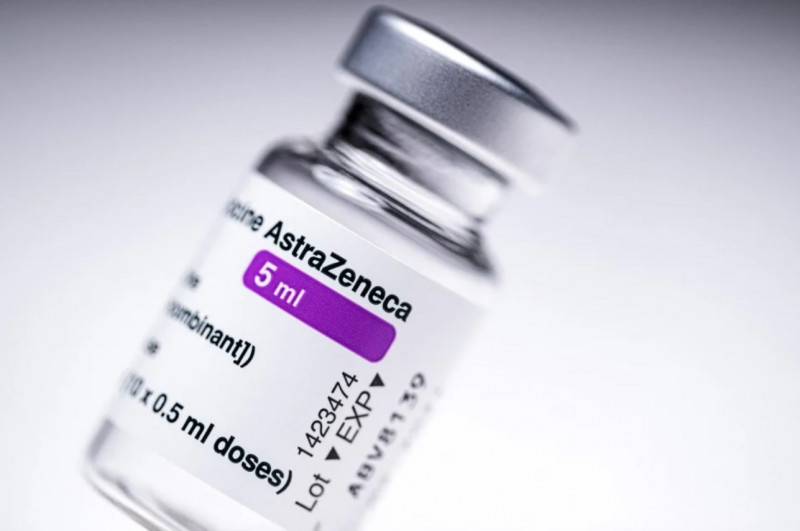
KUALA LUMPUR – Malaysians feeling anxious about reports that the European Medicines Agency (EMA) does not recognise the AstraZeneca’s Covid-19 vaccine procured by Malaysia have been reassured that they need not react negatively to this news.
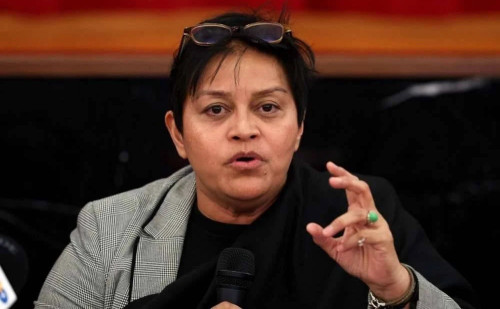
Describing it as a gross overreaction, Bangi MP Ong Kian Ming said that the reports last week have been met with various concerns by citizens who are especially worried they may not be able to travel to Europe.
He highlighted four reasons Malaysians need not be alarmed by this latest development.
Firstly, he said the EMA is not supposed to recognise any vaccines produced outside the EU that are not meant for its market.
“Like any pharmaceutical regulator, the EMA will only be concerned about the manufacturing process at facilities where the vaccines are being made,” he said in a statement today, noting that most of the EU’s supplies are manufactured in Belgium and the US.
Last week, the European Union (EU) had said it only recognises vaccines approved by the EMA, which do not cover AstraZeneca jabs made by South Korea’s SK Bioscience or Thailand’s Siam Bioscience, which produces doses for Malaysia.

The EMA-approved list also does not include AstraZeneca jabs from Japan, which recently donated a million doses to the country.
On Monday, Science, Technology and Innovation Minister Khairy Jamaluddin had said that Putrajaya will seek clarification from the EU through its ambassador here, and with pharmaceutical company AstraZeneca.
He said there is no reason for the EU to discriminate against one AstraZeneca facility from another.
Ong said the fact that the EMA does not recognise certain AstraZeneca vaccines does not mean the jabs are less safe.
Citing Malaysia as an example, he said that even the National Pharmaceutical Regulatory Agency (NPRA) here has yet to recognise vaccines produced by Moderna, despite it being widely used in many other countries.
Additionally, the DAP assistant political education director said the non-recognition by EMA is not a restriction for Malaysians who have been vaccinated with AstraZeneca to travel to Europe.
“I needed to be reminded that the EMA is a government agency, just like the NPRA, with a specific mandate and set of responsibilities. The EMA does not decide the rules with regard to international travel to and from EU countries.
“A European Commission (EC) spokesman had said that travellers who are fully vaccinated with vaccines authorised in the EU ‘should’ be allowed entry, even if these vaccines were not produced in facilities covered by the marketing authorisation in the EU.”
Finally, Ong said that policies with regard to Malaysians travelling to the EU are still governed by the rules of individual countries.
For most EU countries, he said, the indicators of concern are the number and variants of Covid-19 cases, and the rate of spread in the country from which an individual is travelling.
“What this means is that we should be more concerned about increasing the vaccination rate domestically so that we are not put on any banned list of any country,” Ong said.
“To repeat, let us not overreact but focus instead on increasing our vaccination rate, which is a crucial step towards bringing down Covid-19 numbers and allowing the economy to reopen again, slowly but surely.”
On May 27, Khairy had announced that the AstraZeneca vaccine would no longer be an opt-in programme and will be included in the national immunisation drive. – The Vibes, July 7, 2021