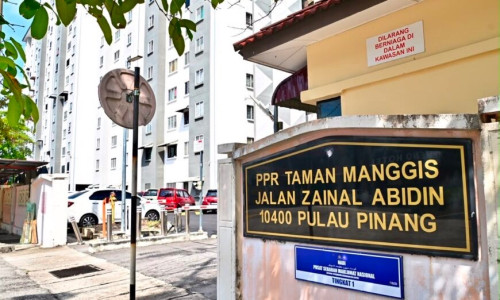
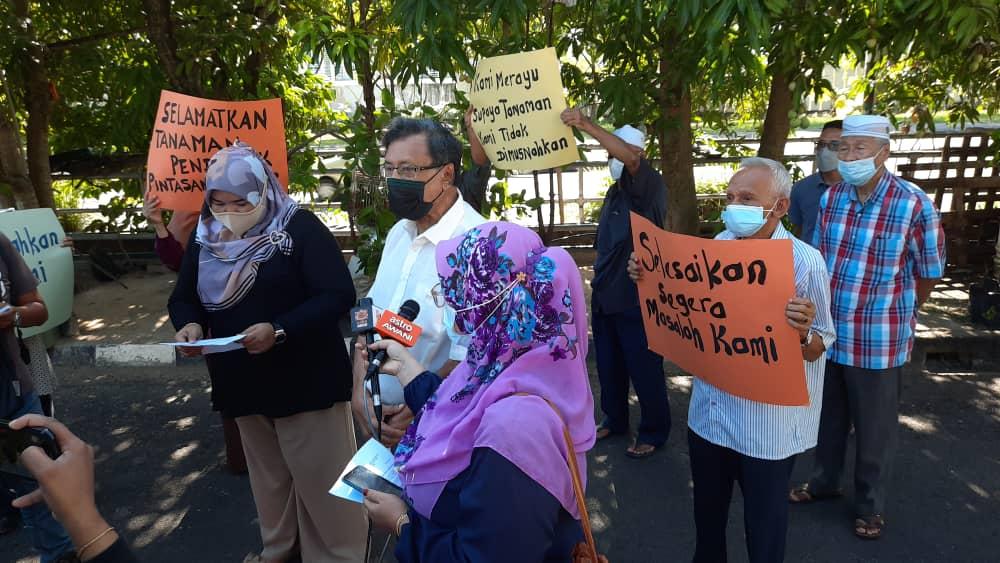
GEORGE TOWN – Residents of Pintasan Kelicap in Bayan Lepas have been planting fruit trees and vegetables along the road shoulder as part of their livelihood over the past 20 years, and now the Penang Island City Council (MBPP) wants to remove the crops.
The residents’ action committee chairman Harnani Hasan has urged MBPP to call off its decision to remove the plants as the residents use the produce to ease their financial burden.
The affected residents are part of the 84 families living in the area.
“We are worried about MBPP’s decision to remove the plants. We are not doing it for commercial use and the plants are in no way disrupting road users. We plead with MBPP to allow us to continue planting.
“We have planted several types of plants such as coconut, guava and mango trees, and pandan and herbal plants for our daily consumption. The produce has helped residents to reduce their final burden during the 18-month movement control order,” said Harnani after a peaceful demonstration at the site earlier today.
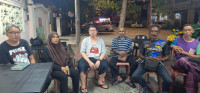
Also present at the site was Consumers Association of Penang (CAP) president Mohideen Abdul Kader who supported the residents’ plea to MBPP.
The city council’s Landscape Department had sent a letter to the affected residents dated October 18, giving them 14 days to remove the plants and structures on the road shoulder failing which the plants and structures will be removed by the council.
“Our aim in planting the trees and plants is to reduce dust pollution and emission from vehicles, as the state’s “Penang green and clean” slogan is in accordance with its urban farming program, which was launched by Chief Minister Chow Kon Yeow several months ago.
“We hope MBPP will withdraw the notice and allow us to continue planting to contribute to the country’s food supply,” Harnani said.
Mohideen has also asked MBPP to withdraw its notice directing the residents to remove their crops and structures.
“CAP received complaints from the affected residents, so we sent an official letter to MBPP’s mayor and Landscape Department director last Monday expressing CAP’s sympathy for those who have been carrying out such activities for more than 20 years but having to face legal action now.
“Our survey found that there are about 10 types of subsistence crops grown in the open space in front of the residents’ homes here.
“CAP understands that the agricultural activities here are not only to meet the food needs of the families but also to be a buffer zone to prevent the effects of dust and black smoke (carbon monoxide) from vehicles travelling the roads nearby,” Mohideen added.
He said CAP supports the agricultural activities carried out by the residents here as it has a positive impact on their lives as well as the environment in the area. – The Vibes, November 8, 2021