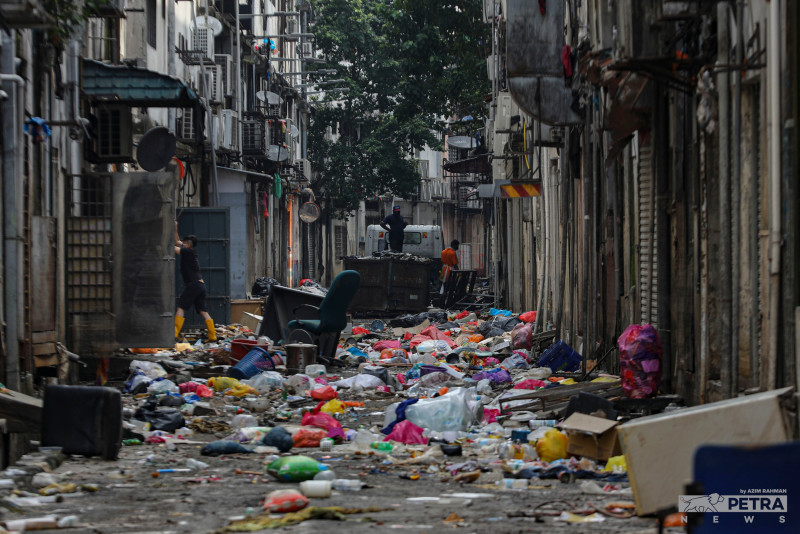
KUALA LUMPUR – Pakatan Harapan Youth has cautioned the government and the public not to underestimate the potential public health fallout from the floods that have hit several places in the country recently.
Its national chief, Howard Lee, said it is important to prepare for a potential infectious and communicable disease epidemic, on top of another surge of the Covid-19 pandemic against the catastrophic background of the post-flood period.
“The government must act now to prevent risk multipliers from turning this natural disaster into an irreversible public health catastrophe,” he said in a statement today.
“The prime minister and his cabinet must also do everything in their power to not only provide immediate flood relief, but also short- and medium-term financial relief through policy interventions.”
Lee, who is also DAP Youth chief and Pasir Pinji assemblyman in Perak, stressed that a flood definitely poses a threat multiplier for virus transmission, as it is unrealistic to compel and observe physical distancing during evacuation, rescue and sheltering.
Hygiene levels will inevitably be compromised, especially with treated water supply and electricity unavailable for days, he said.
“For those stranded in high density living quarters, sharing and distribution of supplies force gatherings in less than ideal settings,” Lee stressed.
“Drinking water, non-perishable foods, diapers, candles, sanitary towels are understandably prioritised by flood victims in comparison to facemasks and hand sanitiser.
“Another chillingly telling item that was high in demand was painkillers, in which I personally distributed, upon request, no less than 100 blister packs in an hour, out in the epicentre of the floods in Taman Seri Muda.”
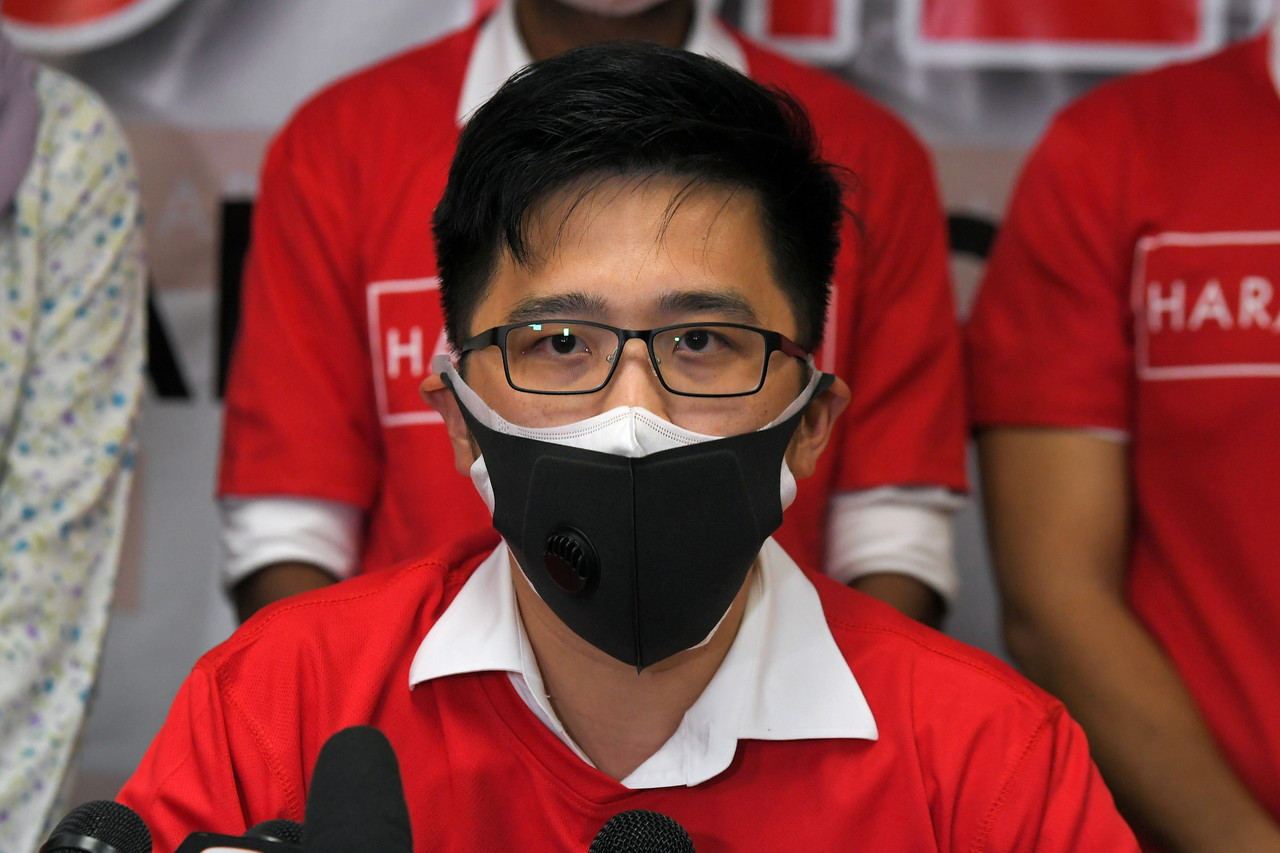
Lee pointed out that reports of colonies of rats “in the hundreds” seeking higher ground suddenly, contesting human spaces during the most stressful and urgent moments when the water started rising can be psychologically scarring for those who experienced it.
He added that there are also the health hazards of leptospirosis and other rodent-borne diseases if victims are not evacuated.
“Contaminated water on open wounds, food and water may also likely contribute towards a post-flood public health crisis,” he said.
“Vector, rodent, and waterborne diseases during floods are undoubtedly another potential threat multipliers in current circumstances that are more than likely already spreading fast.”
Lee also sounded caution on the Covid-19 virus, stressing that there is no way of telling how widespread and prevalent it is among the tens of thousands of flood victims.
“Those involved in the rescue and recovery missions are also highly susceptible to transmission through no fault of their own, but those deployed for official duties as well as volunteers who stepped up to the plate to offer assistance may carry another wave of transmission beyond the flood affected areas upon their return home.
“Almost all political parties, a large number of NGOs, and countless individuals have flocked to the most affected areas with supplies, resources and their time to help with everything that is necessary,” he noted.
Lee also expressed concern about the likelihood of large numbers of flood victims being demoted in their professions and losing their incomes, “from being employer to employee, employed to underemployed or unemployed, working class to poverty.” – The Vibes, December 24, 2021