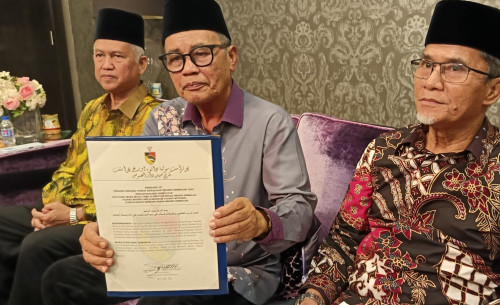
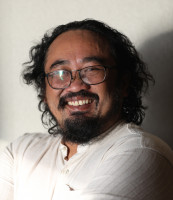
KOTA KINABALU – “Nature capital” is seen as the way forward for Sabah but the direction of current discussions and politicking may see the plan go down the drain, said a former Sabah Economic Development Corporation (Sedco) chairman.
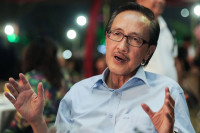
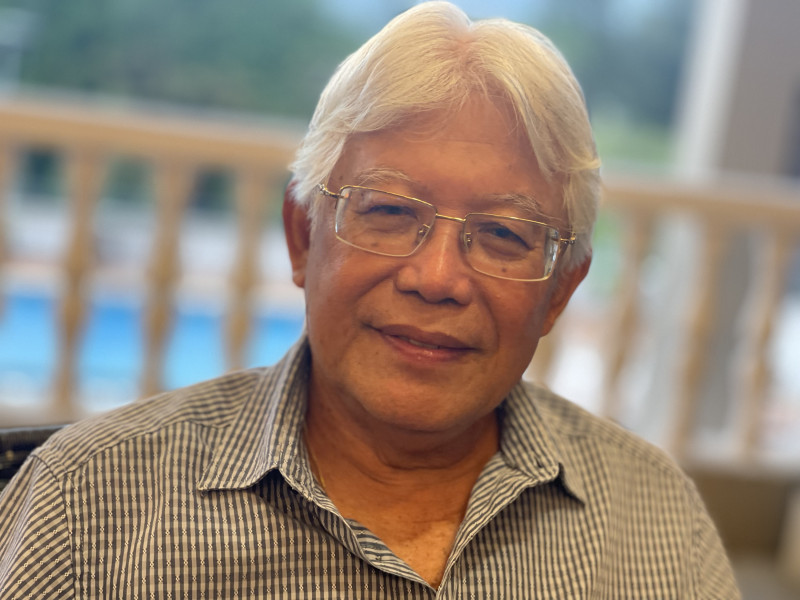
Datuk Richard Sakian Gunting, who developed the “Conserve Sabah Blueprint” during his time in Sedco, said there had been a lot of contention over carbon trade of late.
He said that although Sabah has the assets to realise the potential of carbon trading, contentious debate over the matter may see the plan falling through.
“This is the way forward and it is time to rehabilitate, conserve, and sustain for future generations of Sabahans.
“Personally, I support this. There’s a lot of contention about this carbon credit right now, not because they disagree with it, but how it is being done,” he told The Vibes.
He said Sabah could have been in the forefront of nature capital to help Malaysia achieve a carbon-free status like Bhutan.
“But the people who are politicking the matter, I don’t understand their intentions.”
Citing the Conserve Sabah Blueprint as a comprehensive plan developed during his time at Sedco, Gunting said the carbon trade’s proponents plan to revisit the Sedco plan.
He admitted that the blueprint has not gone through cabinet approval, but should not be sidelined as much time, manpower, and resources have been spent developing it.
“Our plan includes the government collecting the levies and royalty, and the indigenous communities being paid directly for their own development and education.
“Only after all these levies can the balance of revenues go to the joint-venture company, which will implement the nature capital plan,” he said, adding that the state can enjoy the dividends after deducting the cost and taxes.
This is contrary to the Nature Conservation Agreement (NCA) that sees revenue-sharing set at 70:30, with 30% going to Singapore-based firm Hoch Standard.
Gunting said the Sedco blueprint targeted forest management units (FMUs), which he described as being “exploited to the barebones” at present.
He added that this can only be done through rehabilitation of forests where carbon values are highest, not of pristine jungles like the Maliau Basin and Danum Valley, which are being looked into via the NCA’s totally protected areas.
“What the world wants is regenerated forests. When these forests grow, the carbon sequester grows and that fetches a better price.”
According to him, the value of carbon is relatively low at present, around US$1 (RM4.19) to US$9 per metric tonne, but he said if Malaysia takes the Paris Accord seriously, the value can go up to US$75 per metric tonne.
The Paris Agreement is an international treaty on climate change adopted by 196 parties at COP21 in Paris, France with the aim to limit global warming to well below two, preferably 1.5 degrees Celsius.
The accord also read that developed nations should take the lead in providing financial assistance to nations that are less endorsed and more vulnerable to climate finance.
Gunting said Sedco was already in the midst of organising workshops with the licensed FMUs, but could not proceed with the plan due to the change of Sabah government in 2020.
Controversy broke out over the NCA after Mongabay reported that the Sabah government had signed an agreement in secret with Hoch Standard last October.
The NCA signatories are Sabah’s chief conservator of forests Datuk Frederick Kugan along with state Attorney-General Datuk Nor Asiah Mohd Yusof, Deputy Chief Minister Datuk Jeffrey Kitingan, and Chief Minister Datuk Seri Hajiji Md Noor.
The NCA, which will see more than two million hectares of protected forests gazetted for carbon trading in stages, came under fire after local non-governmental groups started questioning the expertise involved in the deal.
Ex-senator Adrian Lasimbang proceeded with a suit as the NCA did not get the consent of the indigenous people.
A recent forum also revealed that the due diligence was already done before the signing of the NCA.
A proponent of the NCA, Kitingan had alleged the carbon trading move started much earlier under the previous Warisan administration.
Nor Asiah said later in a statement that the NCA was legally impotent.
A statement released by environmental experts claimed that the NCA is unlikely to be certifiable or saleable to any internationally recognised carbon standard.
Hajiji has not made any statement on the matter amid the controversy. – The Vibes, February 20, 2022