KUALA LUMPUR – The Royal Malaysian Police was ranked the highest on the list of complaints among other Malaysian enforcement agencies for two consecutive years between 2018 and 2020.
Between 2015 and 2020, the Malaysian Human Rights Commission (Suhakam) recorded 479 complaints about excessive use of force and abuse of power by police. Among these complaints, there were instances of deaths in custody involving three suspects in 2021.
Human rights group Suara Rakyat Malaysia has also raised concerns about the alleged excessive use of force and ill-treatment, as well as the lack of accountability and transparency. The group released a human rights report, which revealed 21 deaths in police custody recorded by the Criminal Investigation Unit on deaths in custody in 2022.
Plans to establish better police oversight took place in the context of a long history of police abuse in Malaysia.
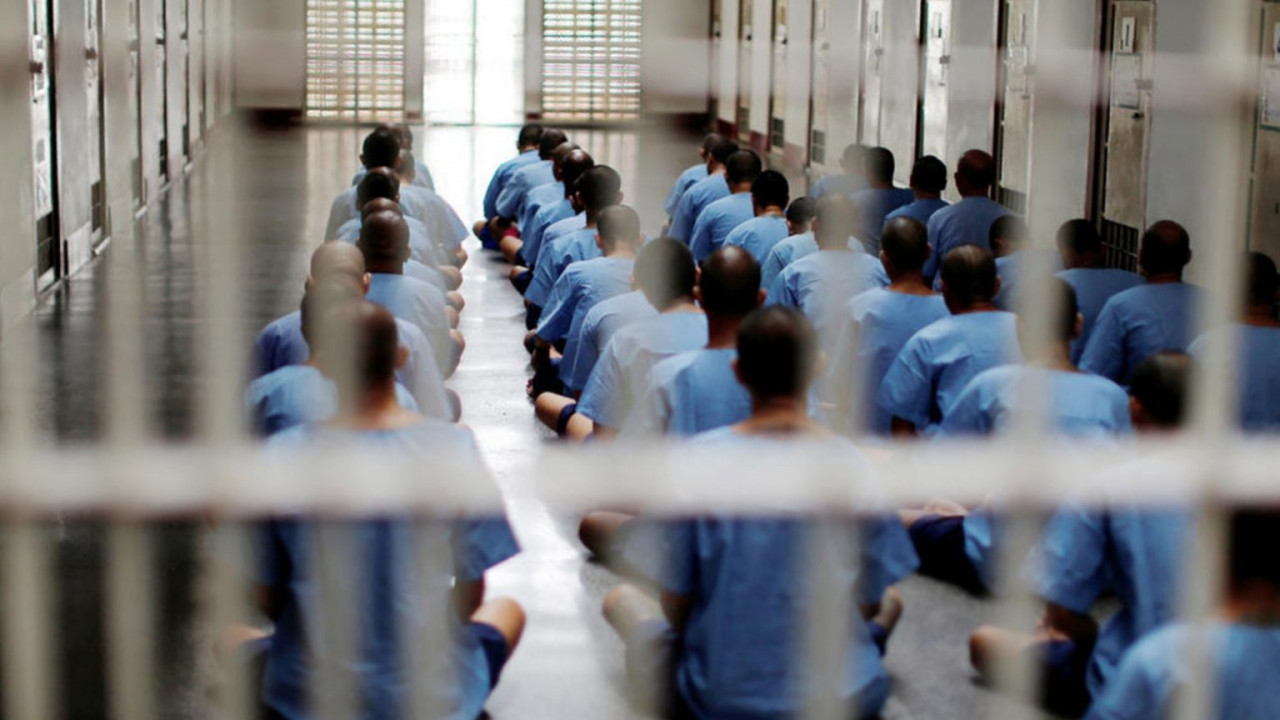
Consistent reports of abuses, such as violence against people in detention and deaths in custody, have damaged the reputation of the Malaysian police. Research by human rights organisations has shown that police abuses have continued.
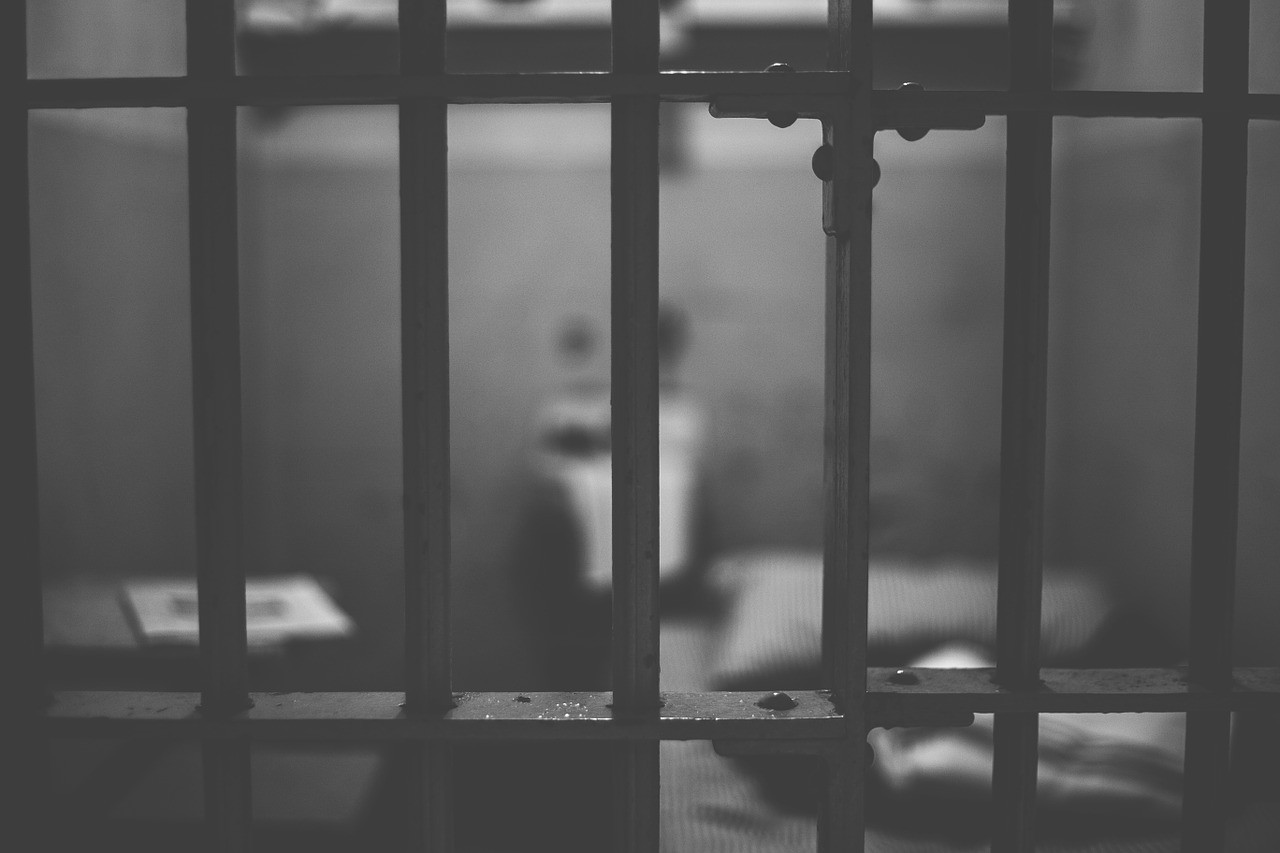
Police are rarely held accountable for misconduct in cases of deaths in custody. The main concern is the impartiality of an investigation carried out by police personnel connected to the facility where an inmate died.
When investigating four reports of deaths in prison in 2018, Suhakam, however, found no evidence of misconduct by police. It was advised that improvements should be made to both the detention process and the protocol for managing deaths while in custody. For instance, the deceased’s family members should be granted access to the body or given a full explanation to avoid misunderstandings.
To ensure police accountability, there need to be multiple, transparent bodies involved, each with distinct roles and with the public’s interest at heart.
Will complaints commission be independent?
In Malaysia, the Enforcement Agency Integrity Commission was created in 2011, although Human Rights Watch criticised it as ineffective in curbing misconduct by enforcement agencies.
In 2019, the Independent Police Complaints of Misconduct Commission (IPCMC) bill was introduced, granting the commission investigative powers and the ability to take disciplinary action against police.
However, following a change of government in 2020, the Independent Police Commission Complaints (IPCC) bill was introduced to replace the IPCMC. It will take effect in July 2023.
Human Rights Watch said the bill is “a huge step backwards for police accountability in Malaysia” and called for a proper independent commission to investigate police misbehaviour.
Several concerns about the IPCC’s independence have been raised in parliamentary sessions, including the appointment of commissioners and the fact that IPCC investigators cannot visit police stations, lockups, or detention centres without prior notice. There was also the fear that appointed members could have affiliations with police, which raises doubts about its independence.
For an independent oversight body like the IPCC to be effective, it requires support from the executive and the Parliament.
According to one report, while many international police oversight bodies have members appointed or recommended by government officials, they also require the head of the body to have a strong legal background, as they do in Australia and New Zealand.
In the Netherlands, the lower House of Parliament appoints the ombudsman, establishing a clear connection to the representative body. Similarly, in the United States, the local legislative branch designates a specific number of board members.
In the United Kingdom, the head of the police oversight body must not have any prior employment with the police force, mirroring the requirement of Hong Kong’s Independent Police Complaints Council, which prohibits the appointment of individuals who were previously members of the police force.
Addressing IPCC limitations
A significant concern in Malaysia is the insufficient investigation of complaints about the police’s failure to take appropriate remedial actions or provide a bereaved family with information in cases of deaths in custody.
According to the IPCC bill, the commission will have the authority to accept, consider, and gather evidence about any written allegation of wrongdoing made by any individual against any member of the police force.
The complaints committee, comprised of officers with expertise in investigations and from a legal and judicial background, would supervise the complaint.
The bill also establishes a mandatory obligation for police to promptly refer incidents involving sex crimes, grievous hurt, or the death of any person in custody to the commission. While commendable, to strengthen this clause, it could be reinforced by making it legally binding for police to submit the complaint as soon as possible.
Notably, any use of lethal force, such as firearms, must consistently be subject to independent scrutiny. Prompt reporting of deaths to the commission should ensure investigations are launched immediately.
While the IPCC cannot discipline officers, it does have a role in overseeing investigations and providing recommendations. It ensures the adequacy and fairness of police investigations, contributing to police accountability and transparency.
Its limitations can be addressed through alternative mechanisms. One approach is to establish a robust monitoring system where the IPCC monitors investigations conducted by police and has the authority to intervene if investigations are inadequate.
This approach is followed by oversight bodies like the Australian Law Enforcement Conduct Commission and the Queensland Crime and Corruption Commission.
Police reform and the establishment of oversight bodies can have long-term impacts on accountability and public trust. The success of these programmes depends on support from the government.
By effectively carrying out their functions and maintaining independence, oversight bodies can contribute to the reduction of misconduct and enhance public confidence in the police.
However, the IPCC falls short when compared to other jurisdictions.
Hong Kong, the UK, and Queensland, Australia, have independent bodies with extensive powers to investigate police misconduct. Malaysia does not.
To align with best practices, the IPCC could be endowed with a monitoring mechanism like the Australian Law Enforcement Conduct Commission or the Queensland Crime and Corruption Commission with updates on investigations.
For instance, an informant has the right to ask the Malaysian police for information on the progress of an investigation. Within two weeks of receiving the request, the police must react. A report on the progress of the investigation must also be sent to the public prosecutor by the Malaysian police within three months of the day the complaint was filed.
Ensuring police accountability is challenging. One is the belief that police should not investigate themselves, but they are often the only ones with the necessary expertise. Finding a solution is difficult because there are no easy or cheap fixes to address misconduct within the police force.
In Malaysia, the first step towards improving the IPCC bill is understanding its responsibilities alongside other police oversight agencies. This could ensure the bill can play a larger role in ensuring police accountability through reviews, audits, addressing deficiencies, community engagement, and advocating for policy changes. – The Vibes, June 12, 2023
Published under Creative Commons and in partnership with 360info.org
All joint authors are from Universiti Teknologi Mara, Malaysia.
Nurus Sakinatul Fikriah Mohd Shith Putera and Syazni Nadzirah Ya’cob are law lecturers specialising in interdisciplinary law.
Mazlifah Mansoor is a senior lecturer, and her academic and research interests are in the administration of criminal justice and law enforcement.
Mastika Nasrun is a law lecturer specialising in criminal law and the law of torts.
Norazlina Abdul Aziz is a senior lecturer specialising in constitutional law and human rights.