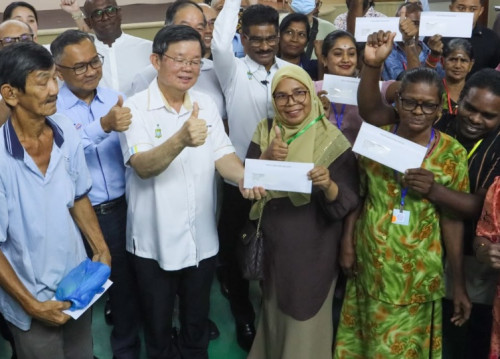
ABOUT 300 families in the Seri Alam low-cost flats in Kuala Lumpur are relying on food aid as the high cost of living bites.
The B40 households are able to save on groceries with the goodwill of the Lost Food Project (LFP), which has been serving the community for years.
Housewife Zuhariyah Othman, 46, said she goes to the collection centre at her flats every week to help LFP with the food distribution.
"I will also take some of the food home for my family. My husband works for a catering company, and I have a nine-year-old son. The food from the LFP really helps us as I can save on groceries," she said.
LFP is a civil society group. Since its founding in 2016, the organisation has fought hunger and climate change by tackling food wastage. It saves surplus food and non-food items from the landfills and distributes them among more than 80 charities and thousands of B40 families.
LFP public relations and communication manager Gayathri Liew said about 80% of the people they distribute food to are B40 families in low-cost flats in the Klang Valley.
"We are serving more than 30 PPRs. We also work with the PPRs to raise awareness amongst the community," she said.
Gayathri said 80% of the vegetables and fruits are collected from the Kuala Lumpur wholesale market from Monday to Saturday, with collections reaching about 191 tonnes a month.
“We collect the surplus vegetables that the traders cannot sell. Some of the vegetables we rescue are leafy greens, root vegetables such as kai lan, bok choy, cucumber, potatoes, carrots, Chinese broccoli, Chinese cabbage, green beans, cauliflower, as well as oranges, melons, grapes, and other produce."
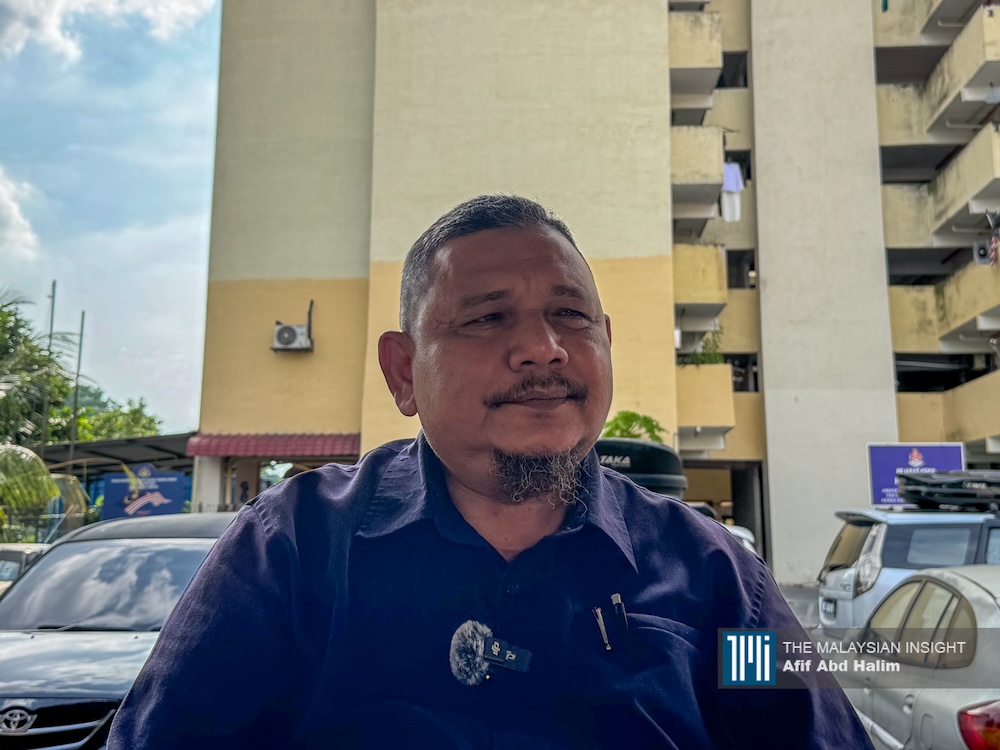
Seri Alam Phase 2 resident association president Hisham Ghazali, 56, said many B40 families rely on the weekly food aid.
"The families here rely on the food and dry goods that LFP brings every week. There are quite a few people here who have still not recovered from the pandemic. LFP has lightened the burden of the families here with their food aid," he said.
"They usually bring a variety of vegetables, milk, snacks, and many other food items. Those who collect the food can save on their grocery costs for a week for their families."
He said most of the people who come to collect food are from households with an income of less than RM3,000.
"There are 180 single mothers, those who are jobless, disabled, mothers who are sole income earners because their husbands can't work, and some even have up to six or seven children," Hisham said.
"The good thing is that the disabled and single mothers are getting some form of allowance from the welfare department."
He said the residents are worried about inflation.
"We do hope that the government can announce more aid for the B40 group so they will be able to survive," he added.
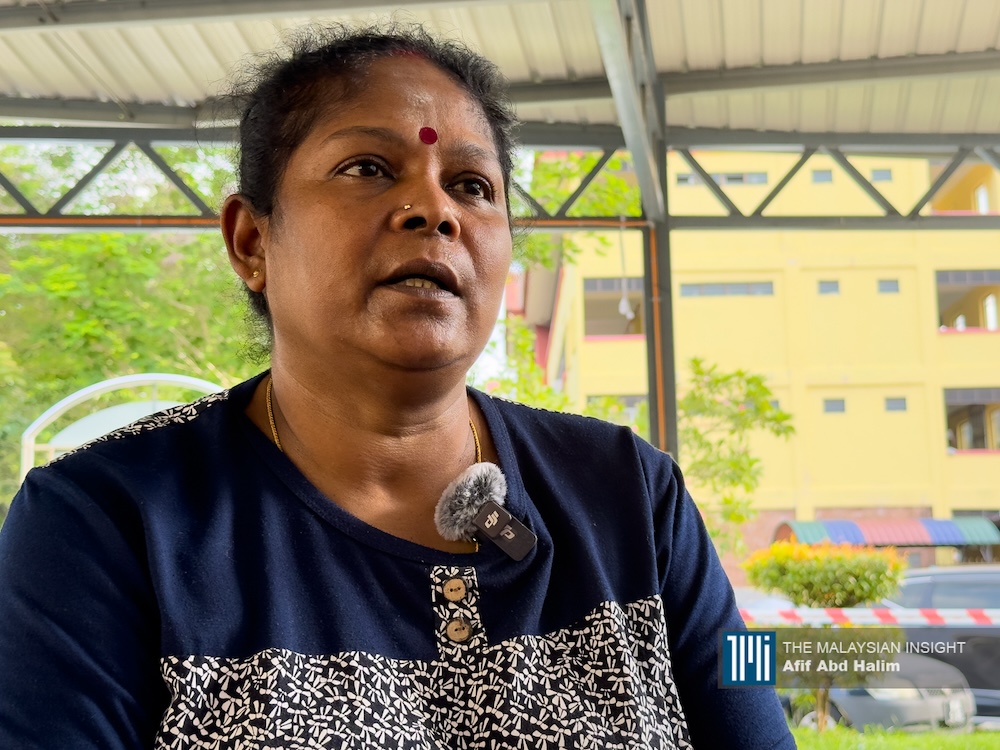
V. Parimaladevi, 54, who has lived in the flats for 12 years, said she works as a midwife.
"I have three children aged 22, 20, and 19, and my husband does not work as he is old and cannot secure a job. Three of my children are in college, and it’s difficult to provide food for them. I'm the sole earner in my family. If I get work, then we are a bit alright. If there is no work, I just stay at home. My son, while studying, also does part-time work to help us get through the month. The food we get from LFP really helps. We can save about RM20 to RM30 a week," she said.
K.S. Koh, 69, is a regular at the collection centre.
"I only take what we need, which is mostly vegetables, as we can save RM20 to RM30. We have four people in the family. My husband has passed away, and I'm living with my son and two grandchildren aged seven and eight. My son is working, so I'm taking care of the children." – June 24, 2024.