Murray Hunter
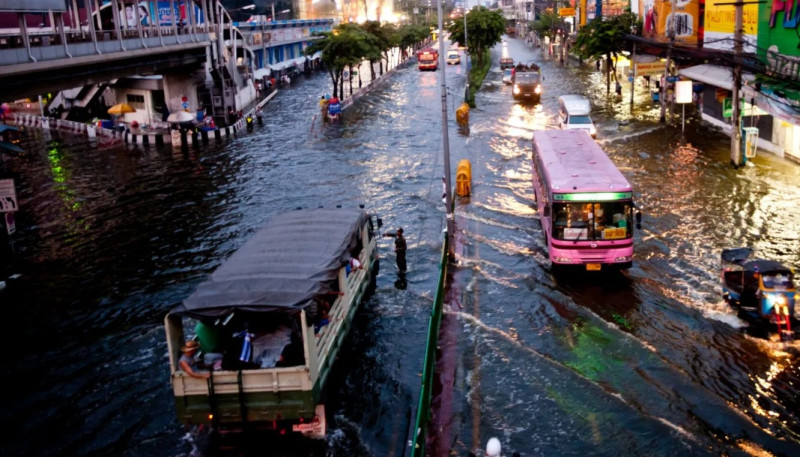
HEAVY rains in late September 2026 dumped around 320 mm on Bangkok in just a few days, nearly a full month’s typical September total, overwhelming the city’s drainage canals and low-lying eastern districts.
Flooding hit hard across Bangkok and surrounding areas, with impacts felt in Rayong and other provinces as part of a wider event that began around mid-September.
Nationwide, floods affected roughly 2.6 million people across 29 provinces plus Bangkok, with a reported death toll of 23 (including four in the capital).
In Bangkok alone, about 329,000 households and around 700,000 people were affected; thousands sought temporary shelters, and many communities dealt with prolonged inundation.
The downpour caught many residents off guard. Water rose quickly in places like Bang Kapi, Lat Krabang, Min Buri and housing estates such as Khlong Chan and Rom Klao. People had limited time to prepare. Emergency services and safety personnel worked under intense pressure, deploying pumps, boats and relief teams while residents waded through waist-deep or deeper water.
In many homes and condominiums, electricity and tap water were disrupted for safety or due to flooding of infrastructure; mobile networks faced strain, and some households ran short of food and clean water amid access difficulties.
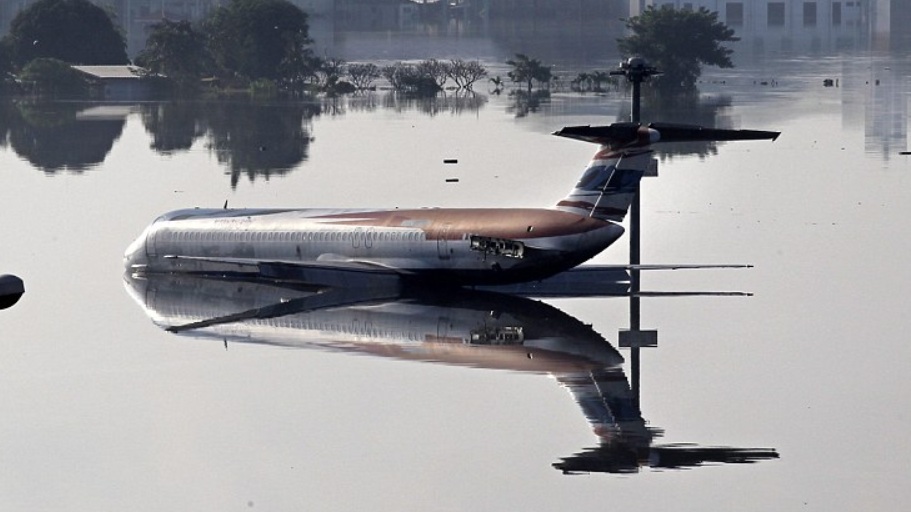
Airport operations, particularly at Suvarnabhumi, suffered delays and chaos as staff struggled to reach work and baggage piled up; Thai Airways cut flights.
In Rayong, the situation escalated with reservoirs under severe stress. Prasae Reservoir and Khlong Ra-ok (Khao Chuk) Reservoir saw high water levels, spillway damage or erosion, and overflow risks, prompting urgent evacuation orders for nearby communities.
Floodwater from these sources inundated homes, orchards and roads; a bridge approach collapsed in one area. Residents described conditions in parts of Rayong as among the worst in decades.
Prime Minister Anutin Charnvirakul visited flooded Bangkok communities, including Bang Kapi, Sai Mai and others. He faced open anger and jeers from residents—shouts of “Too rich!” (echoing campaign rhetoric), “Why did you come here?”, demands for faster drainage, more pumps, food and toilets.
Some confrontations were sharp. In at least one late-night visit to a Sai Mai housing estate, after relief supplies ran short, Anutin was seen handing out 1,000-baht notes from his own pocket to some victims, later explaining the gesture as personal help when bags were depleted.
The government has approved aid packages and longer-term drainage projects.
As waters begin to recede in parts of Bangkok, the deeper hardship is only starting.
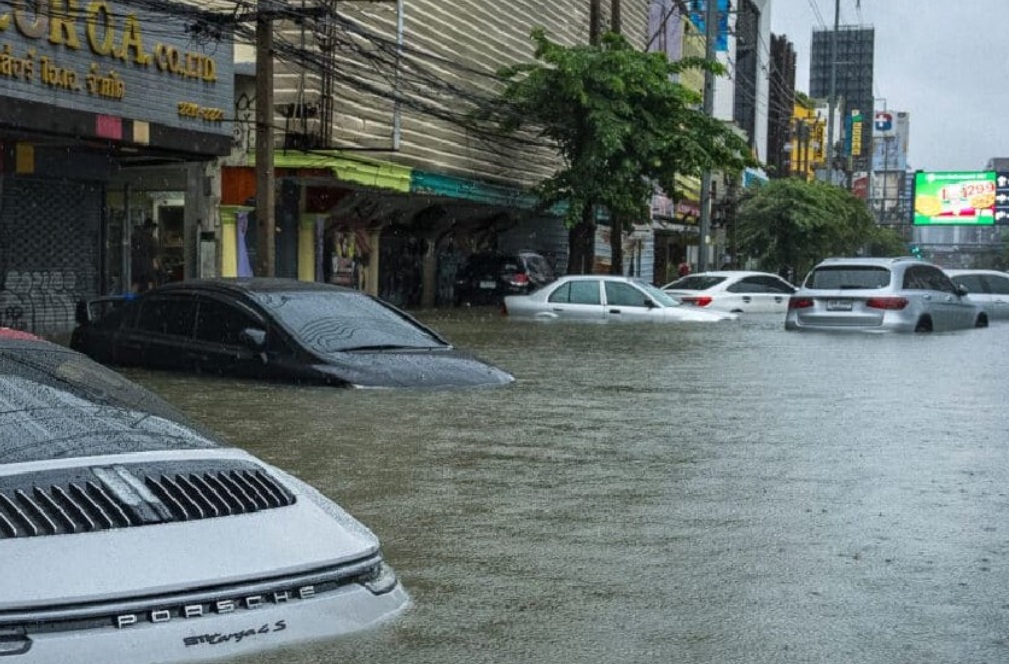
Thousands of cars, trucks and other vehicles sat submerged for days.
Experience from the severe 2025 Hat Yai floods showed that recovery of flood-damaged vehicles can stretch for months; many required extensive repairs or write-offs, with thousands of claims filed and towing/repair backlogs lasting well beyond the immediate crisis.
Households have lost furniture, electrical appliances and irreplaceable personal belongings and memories.
Most ordinary residents lack comprehensive flood insurance, and many already carry debt, turning replacement costs into long-term financial strain.
Businesses that flooded face uncertain futures. Many small shops, markets and enterprises will struggle to reopen or will close permanently.
Streets in hard-hit neighbourhoods risk remaining quieter for an extended period. Job losses and interrupted incomes will hit families without robust social safety nets or rapid financial relief.
Repairing roads, bridges, electrical systems and drainage infrastructure will take time and money at a moment when public finances are already under pressure.
Hat Yai’s experience after its late-2025 catastrophe is instructive. Even months later, parts of the local economy remained subdued.
Some new businesses eventually filled gaps left by those that never recovered, creating winners and losers, while entire communities continued to feel the weight of lost livelihoods, damaged homes and slow restoration.
The same pattern risks repeating on a larger urban scale in Bangkok and affected provinces.
The immediate drama of rising water and rescue boats captures attention. The lasting pain ruined vehicles and possessions, shuttered businesses, unemployment, infrastructure bills and eroded community resilience- unfolds more quietly after the floodwaters finally go down.
Effective, timely support for recovery will determine how deep and how long that pain runs.
After the reptiles and dealing with human effluent in the floodwaters for days, much of Bangkok’s population must pick up what is left of their lives. – October 1, 2026