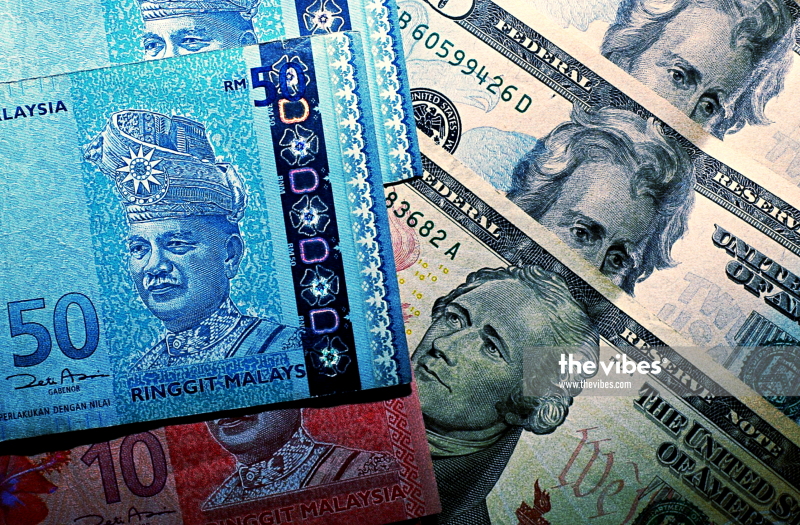
BANK Negara Malaysia (BNM) Governor, Datuk Seri Abdul Rasheed Ghaffour, expressed confidence in the Malaysian ringgit’s trajectory despite ongoing uncertainty due to the US-China trade war.
He highlighted that Malaysia's strong economic fundamentals and positive outlook were the key drivers supporting the ringgit's stability and stressed that the narrowing interest rate differentials were expected to have a positive impact on the ringgit's movement.
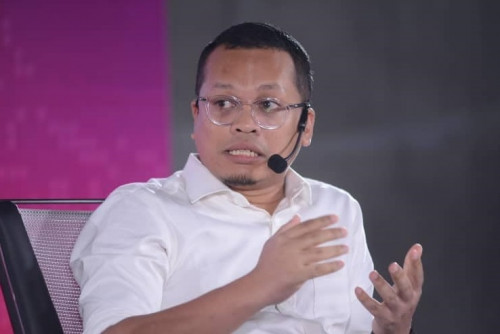
Speaking at the "Reimagining Trade and Global Supply Chains for a Resilient Future" panel at the China Conference Southeast Asia 2025 on Monday, Abdul Rasheed noted that while BNM does not set specific targets for the ringgit, the central bank's priority is to mitigate excessive volatility that could disrupt business decisions.
Additionally, Abdul Rasheed stressed the importance of advancing ASEAN integration, particularly in enhancing the region’s financial systems, building resilient food supply chains, and strengthening climate risk resilience.
He pointed out that ASEAN is highly vulnerable to climate change, contributing to over 50% of global economic losses due to natural disasters. As such, addressing climate risks is critical for ensuring the resilience of ASEAN’s supply chains.
Abdul Rasheed further discussed ASEAN’s strategies to bolster supply chain resilience, including increasing financing for climate adaptation and carbon reduction efforts.
He highlighted a significant financing gap, noting ASEAN’s Green Bond Market growth of 30% in 2023 and the ASEAN Green Finance Facility’s mobilization of approximately US$1 billion for climate-supporting infrastructure.
Bernama reported him saying, the need for ASEAN to invest in infrastructure resilient to climate shocks, as disasters like floods could cost the region over US$20 billion.
To combat this, he urged the region to accelerate the transition to clean energy, aiming for 50% renewable energy capacity by 2040, while prioritising the success of the ASEAN Power Grid project to enhance cross-border energy trade.