THE US president previously threatened to impose up to 20 per cent universal tariffs on imports from all countries, though that has not been implemented.
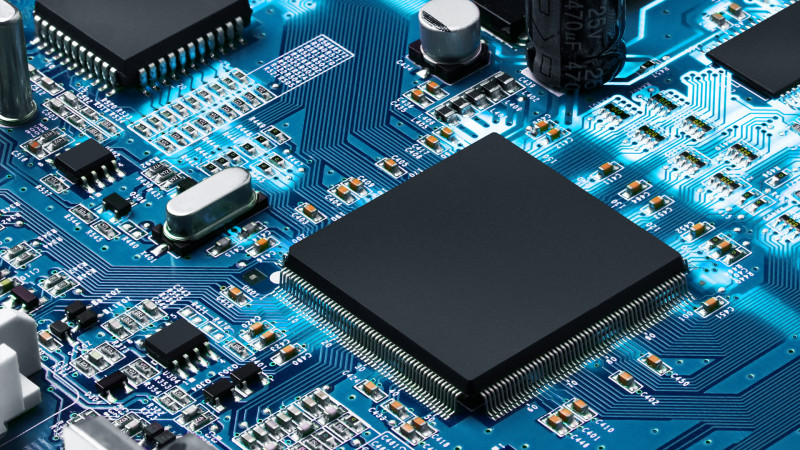
As Malaysia looks to boost its position in the global semiconductor supply chain, it now faces uncertainty amid concerns that the United States will hike tariffs on imported chips.
Malaysia is the world’s sixth-largest exporter of semiconductors, accounting for 13 per cent of the global assembly, testing and packaging market. It aims to attract US$115 billion worth of investments by 2030.
But worries have emerged over tariffs – a signature policy proposal of US President Donald Trump, who has called them “the most beautiful word in the dictionary” – potentially affecting exports and hurting new investments in Malaysia.
On the campaign trail last year, Trump threatened to impose up to 20 per cent universal tariffs on imports from all countries.
While that has not come to fruition, his tariffs on imports from America’s top three trading partners – Canada, Mexico and China – went into effect on Tuesday (Mar 4).
A 25 per cent tariff is now in place on goods imported from Mexico and Canada. The US also levied an additional 10 per cent duty on China, resulting in a cumulative 20 per cent tariff.
Trump had declared that the three nations failed to do enough to stem the flow of fentanyl, a deadly opioid, into the US.
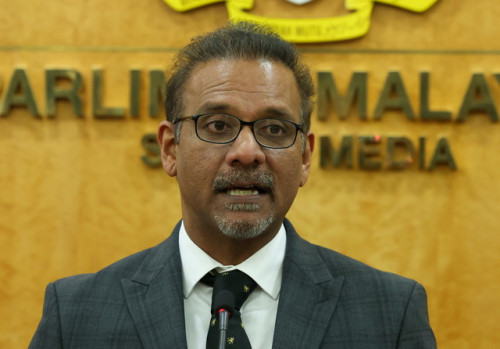
Over in Malaysia’s northwestern Penang state, its chief minister Chow Kon Yeow said any US tariff hikes will not benefit anyone, CAN cited today.
He noted that American companies themselves will be affected, while workers in Malaysia’s booming semiconductor sector will be impacted if the factories that they work at are affected.
Penang, known as the Silicon Valley of the East, is a major hub for semiconductor manufacturing.
It is home to high-tech factories, innovation hubs and research centres, and has already attracted billions in investment from tech giants like Intel, Infineon, Lam Research and Texas Instruments.
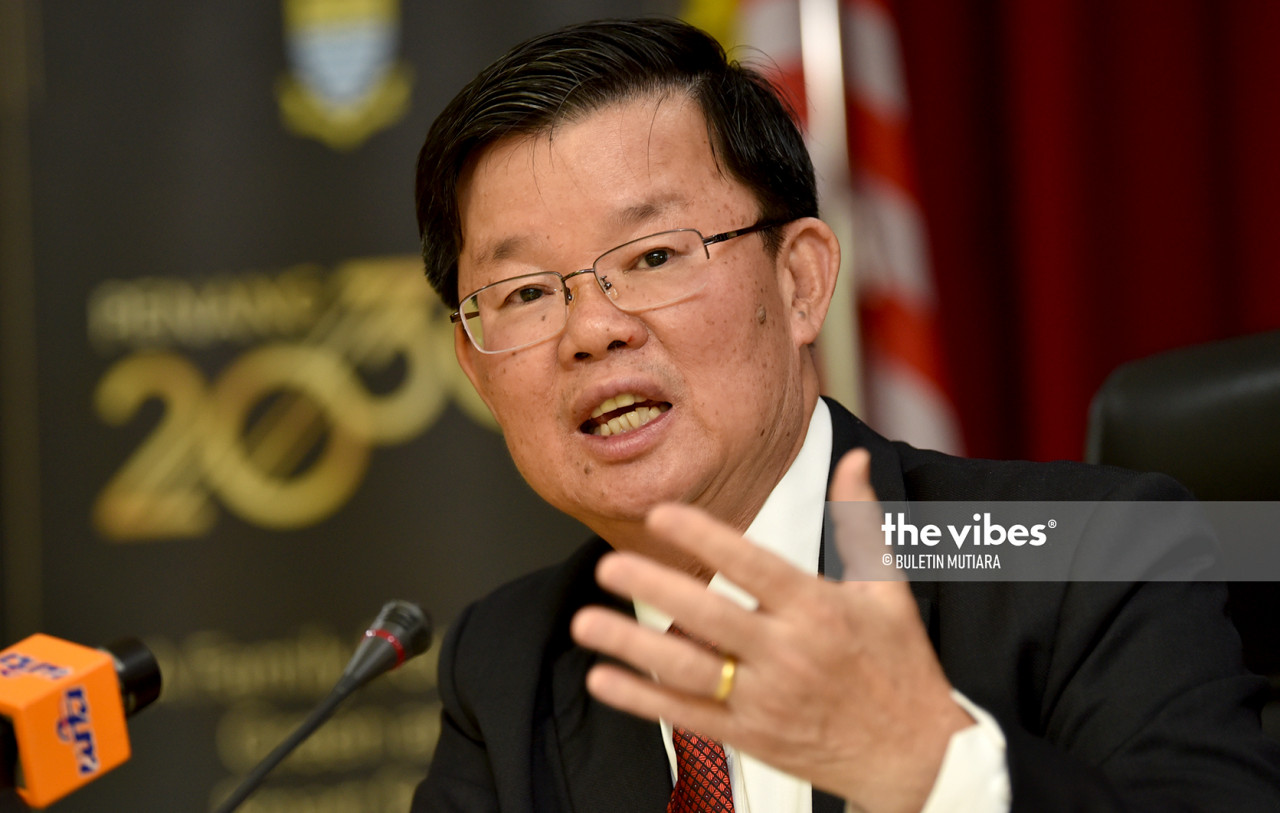
“Whatever tariff policy (the US imposes) should recognise the fact that it is their own people that will be impacted as well,” Chow noted.
With Malaysia being chair of the Association of Southeast Asian Nations (ASEAN) this year, the chief minister said he hopes an ASEAN-US summit can be held in Malaysia or the US as soon as possible.
This would facilitate friendly engagements and dialogues with authorities to minimise the impact of US proposed tariffs and restrictions on its semiconductor industry.
Industry players expressed hope that any American tariffs will be fair and level the playing field.
“We don't know what Trump is going to do … if he slaps a tariff of, say, 25 per cent worldwide to all semiconductor companies or countries, then it doesn't really matter, because we are all equal 25 per cent so we compete,” said Malaysia Semiconductor Industry Association president Wong Siew Hai.
“But if some countries are 25 per cent, some countries are 10 per cent - of course, if we are 10 per cent, then we will have a big advantage.”
Exports To US Still Rose
On top of that, if Trump seeks to swiftly close the nearly US$17 billion trade deficit that the US has with Malaysia, Putrajaya expects US tariffs to halve Malaysia’s trade growth this year.
That could harm the country’s key exports, particularly semiconductors, raising concerns about the country's economic stability.
Despite these concerns, Malaysian exports to the US rose by 28 per cent in January to RM17.3 billion (US$38.7 billion), while imports from the US grew almost 30 per cent to RM11.2 billion, according to the country’s statistics department.
Like many ASEAN member states, Malaysia is listed as a tier 2 country with low risk of diverting controlled advanced AI chips to countries like China that are banned by America.
According to Wong, the semiconductor industry has already reached out through the US embassy in a bid to understand and comply with rules set by the US’ Bureau of Industry and Security.
He declined to comment on whether any Malaysian companies have been flagged by the US for helping China to bypass the export control or export ban on chips.
Moving Up The Value Chain
To stay ahead, Malaysia is trying to move up the value chain quickly.
“We are now shifting gears as well into promoting IC (integrated circuit) design, which is something that would open more opportunities and make us more resilient,” said Chow.
Experts said the Malaysian government also needs to work closely with the industry to encourage smaller players to become local champions.
Lee Eng Keat, general manager of wafer fabrication equipment supplier Lam Research, said a “very bold and clear” plan of moving forward needs to be in place.
“We have to push a boundary, and the government needs to work with us to really develop a safe environment – to incentivise us to really push that because we have to move the entire industry,” he added.
Any increase in wages must be implemented by the whole industry, not just one company or organisation, he further noted.
Industry players previously said employers have to offer competitive packages and train the younger generation to master processes, in order to address the issue of brain drain in Malaysia’s semiconductor sector.
But some pointed out that raising salaries will be tough if the industry continues to focus on assembly and packaging.
“With the finite resources we have, (we should) double down on AI. Teach the students AI and then go after the bigger slice of the supply chain in the world,” said Suresh Kumar Dass, vice president and general manager of Intel’s Malaysia Design Centre.
Acknowledging that wages need to be more competitive, he added: “We are working with (Intel) headquarters and saying, ‘Pay our people more, commensurate with the value you extract out of Malaysia.’
“(That’s) why we went from 10 engineers to 100, to now, thousands and thousands.” – March 5, 2025