


MALAYSIA’s direct selling industry has significantly boosted the country’s economy, with a contribution of RM34.4 billion recorded by the end of 2024, marking a 7.4% increase from the previous record of RM32.04 billion.
This growth solidifies Malaysia’s position as a global leader in the sector, ranking 6th worldwide and 4th in the Asia-Pacific region from 2020 to 2024, according to the World Federation of Direct Selling Associations (WFDSA).
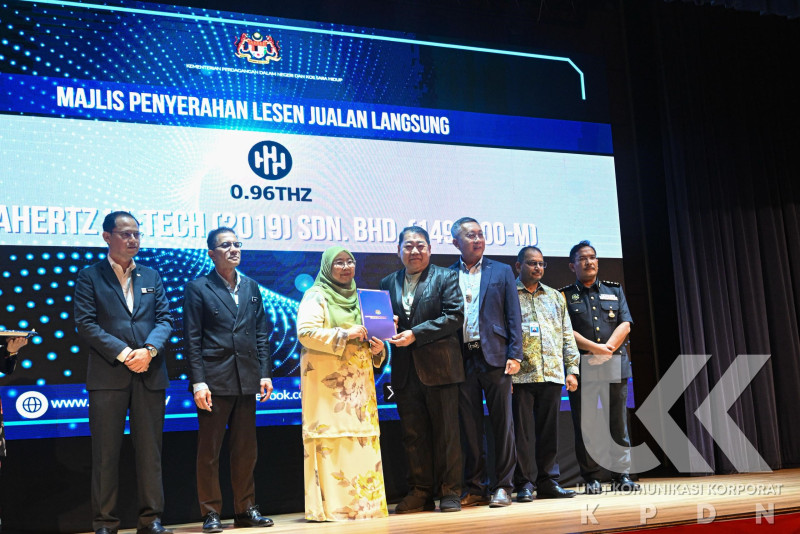
Deputy Minister of Domestic Trade and Cost of Living (KPDN) Senator Dr. Hajah Fuziah Salleh said today while presenting Direct Selling Licenses to 45 companies, including 18 new licensees and 27 renewals.
The ministry is responsible for regulating the direct selling industry in Malaysia through the Direct Sales and Anti-Pyramid Scheme Act 1993 (Act 500), ensuring that companies adhere to legal and ethical standards.
“As part of our ongoing efforts to adapt to global and market changes, KPDN is in the process of comprehensively amending the Direct Sales and Anti-Pyramid Scheme Act 1993.
The objective is to align the industry with current market dynamics, creating a more inclusive, sustainable, and ethical direct selling ecosystem,” Dr. Fuziah said.
The government’s commitment to expanding the direct selling sector aligns with the Malaysia MADANI concept, which aims to strengthen national prosperity in a fair, inclusive, and equitable manner for all segments of society.
Dr. Fuziah stressed ensuring companies adhere to established regulations is crucial to protecting consumer rights and maintaining integrity in the industry.
“Our goal is for all parties involved to fulfill their responsibilities with honesty and integrity, ensuring that consumer rights are always safeguarded,” she added.
The direct selling industry’s remarkable performance also garnered global recognition.
Malaysia has been acknowledged for having the highest market penetration globally, reaching a 2.28% share. This achievement places Malaysia alongside major global players such as the United States, South Korea, Germany, China, and Japan.
Moving forward, Dr Fuziah said the ministry is committed to further developing the industry, promoting services and products that contribute to a conducive and dynamic business ecosystem.
The government remains optimistic that Malaysia’s direct selling industry will continue to thrive, creating business opportunities, generating income for the community, and making a positive impact on the country’s socioeconomic growth.
“We are confident that the direct selling sector will excel and grow holistically, contributing to national development and economic growth,” Dr. Fuziah concluded. – March 10, 2025










