THE United States said on Tuesday that 104% duties on imports from China will take effect shortly after midnight, even as the Trump administration moved to quickly start talks with other trading partners targeted by President Donald Trump's sweeping tariff plan.
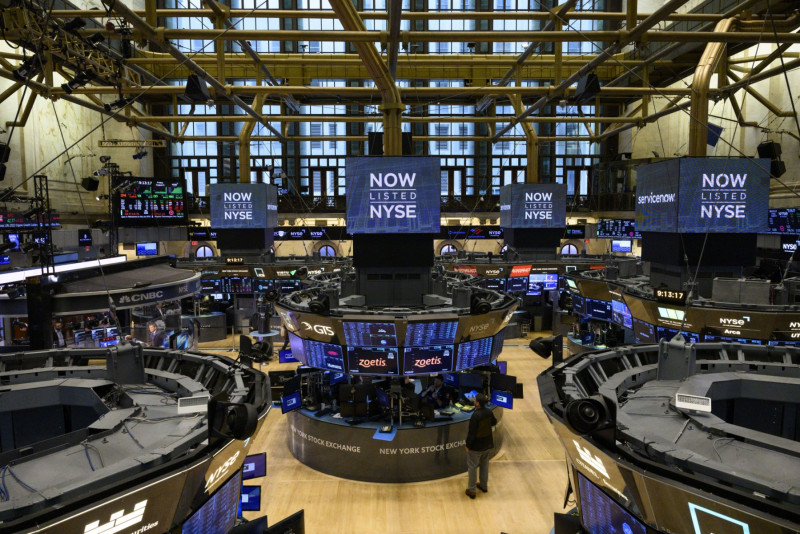
Reuters reported U.S. stocks dropped on Tuesday for a fourth straight trading day since Trump's tariffs announcement last week, with the S&P 500 closing below 5,000 for the first time in almost a year. The index is now 18.9% below its most recent high on February 19, close to the 20% decline that defines a bear market.
S&P 500 companies have lost US$5.8 trillion in stock market value since Trump's tariff announcement last Wednesday, the deepest four-day loss since the benchmark was created in the 1950s, according to LSEG data.
Global markets had previously posted gains on hopes that Trump might be willing to negotiate down the array of country and product-specific trade barriers he is erecting around the world's largest consumer market.
The administration has scheduled talks with South Korea and Japan, two close allies and major trading partners, and Italian Prime Minister Giorgia Meloni is due to visit next week.
"These are tailored, highly tailored deals," Trump said at a White House event, where he signed executive orders aimed at boosting coal production. "We've had talks with many, many countries, over 70, they all want to come in. Our problem is, can't see that many that fast."
But the White House made clear that country-specific tariffs of up to 50% would nevertheless take effect at 12:01 a.m. Eastern Time (0401 GMT), as planned.
Those tariffs will be especially steep for China, as Trump has ratcheted up duties on its imports to 104% in response to counter tariffs Beijing announced last week. China has refused to bow to what it called blackmail and has vowed to fight to the end.
Administration officials said they would not prioritize negotiations with the world's No. 2 economic power.
Trump's sweeping tariffs have raised fears of recession and upended a global trading order that has been in place for decades.
"Right now, we've received the instruction to prioritise our allies and our trading partners like Japan and Korea and others," White House economic adviser Kevin Hassett said on Fox News.
Trump's tailor-made approach to negotiations with individual countries could take into account foreign and military aid as well as economic factors, White House spokeswoman Karoline Leavitt said.
Trump's lead trade negotiator, Jamieson Greer, told Congress that his office is trying to work quickly but is not facing a particular deadline.
"The president has been clear, again, that he's not doing exemptions or exceptions in the near term," Greer told lawmakers.
China is bracing for a war of attrition, and manufacturers are warning about profits and scrambling to plan new overseas plants. Citing rising external risks, Citi cut its 2025 China GDP growth forecast to 4.2% from 4.7%.
Canadian Prime Minister Mark Carney said his country's 25% tariff on some vehicles - a countermeasure to match Trump's approach - will take effect immediately after midnight.
"President Trump caused this trade crisis — and Canada is responding with purpose and with force," Carney said on X.
Canada and Mexico were exempt from the new round of tariffs Trump announced last week, but previous levies remained in place. Most goods that comply with the existing trade agreement between the three countries are not subject to those tariffs.
Americans Worried About Prices
Three out of four Americans expect prices to rise as Trump's tariffs kick in, according to a Reuters/Ipsos poll.
Chipmaker Micron told customers it will impose a tariff-related surcharge starting on Wednesday, while U.S. clothing retailers said they are delaying orders and holding off on hiring. Running shoes made in Vietnam that now retail for US$155 will cost US$220 when Trump's 46% tariff on that country takes effect, according to an industry group.
Consumers are stocking up while they can. "I'm buying double of whatever - beans, canned goods, flour, you name it," Thomas Jennings, 53, said as he pushed a shopping cart through the aisles of a New Jersey Walmart.
Broad-based price hikes may not show up immediately, as tariffs will not apply to goods that were already in transit before they took effect. - April 9, 2025