


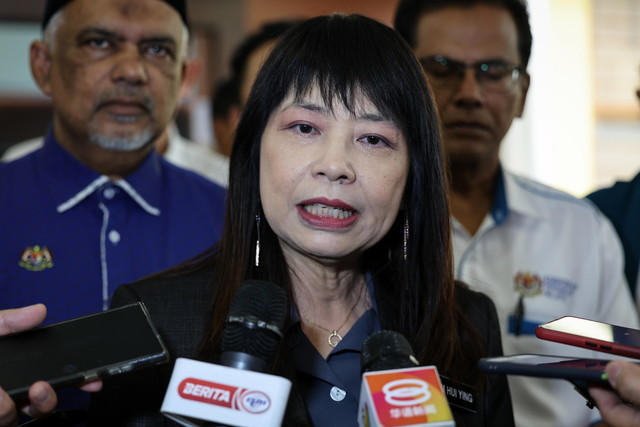
CLOSE to 29,000 companies in Malaysia have adopted the e-invoicing system as of this week, marking a major milestone in the country’s digital transformation of its taxation system, Deputy Finance Minister Lim Hui Ying said.
Speaking at the launch of the national-level Mega E-Invoice Roadshow today, Lim revealed that the figure includes 5,400 taxpayers from the first phase of implementation which began on 1 August 2024, and 12,600 under the second phase which commenced on 1 January 2025.
In addition, more than 11,000 companies in the third phase—those with annual turnover or revenue between RM500,000 and RM25 million—have voluntarily adopted the system ahead of its mandatory rollout on 1 July 2025.
“This is an extraordinary achievement which proves that with commitment and proper preparation, digital transformation in the taxation system can be implemented effectively,” Lim said. “We hope more taxpayers will participate in e-invoicing.”
To date, more than 262 million e-invoice transactions have been recorded, reflecting growing momentum across the business community.
The Mega E-Invoice Roadshow aims to inform small and medium enterprises (SMEs) about the national e-invoicing initiative and to promote use of digital tools developed by the Inland Revenue Board (LHDN), including the MyInvois portal, MyInvois app, and the free MyInvois e-POS system—a digital point-of-sale platform for all taxpayers.
Lim emphasised that while e-invoicing supports the broader goal of digitalising the business landscape, the Ministry of Finance has not set specific revenue targets related to the initiative.
The phased rollout of e-invoicing began in August 2024 for businesses with turnover exceeding RM100 million. Phase two, which began in January 2025, targets companies with annual sales between RM25 million and RM100 million. The third phase, due in July 2025, will involve around 280,000 businesses with turnover between RM500,000 and RM25 million. The fourth phase, covering those below the RM500,000 threshold, will start on 1 January 2026.
Asked about the potential financial impact of delays in expanding the scope of the sales and service tax (SST), Lim said the Ministry of Finance is still reviewing details and engaging with stakeholders.
“If there is any further information on this, the MoF will make an announcement,” she said. - April 29, 2025









