Business

TikTok strikes U.S. joint venture deal to avert ban tied to Chinese ownership

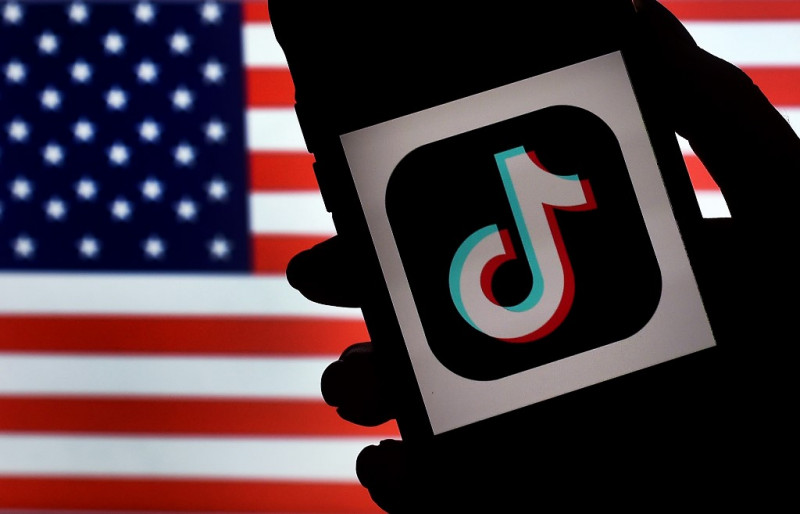
TikTok has agreed to form a new joint venture with U.S. and Middle Eastern investors in a move designed to secure its future in the United States, after a 2024 law threatened to ban the platform unless its Chinese parent, ByteDance, relinquished majority control

Updated 5 months ago · Published on 19 Dec 2025 8:45AM

TikTok strikes U.S. joint venture deal to avert ban tied to Chinese ownership
Deal resolved after a 2024 law threatened to ban the platform unless its Chinese parent, ByteDance, relinquished majority control - December 19, 2025

TIKTOK has reached a joint venture agreement with a group of investors that would allow the video-sharing platform to continue operating in the United States and sidestep a looming ban linked to its Chinese ownership, according to US media reports.

An internal memo cited by Bloomberg and Axios said TikTok chief executive Shou Chew informed staff that the company and its parent, ByteDance, had agreed to the creation of a new entity that would meet US legal and national security requirements.

Under the proposed structure, US technology firm Oracle, investment group Silver Lake and Abu Dhabi-based MGX would emerge as major investors in the venture, giving it a stronger American and allied ownership profile.

AFPR reported that the agreement largely confirms a White House announcement made in September, which said the proposed arrangement would comply with a 2024 law mandating the sale or restructuring of TikTok’s US operations.

The legislation threatened to ban the app nationwide if ByteDance retained majority ownership, citing concerns over data security and potential influence by the Chinese government.

TikTok, one of the most widely used social media platforms in the United States, has long been under scrutiny by US lawmakers and regulators over its ownership structure and handling of user data.

The joint venture is intended to resolve those concerns while preserving the app’s access to its American user base.

US officials have argued that the law was necessary to protect national security, while TikTok and ByteDance have maintained that the company operates independently and does not share data with Chinese authorities.

If finalised and approved by regulators, the new venture would mark a significant turning point in the long-running dispute over TikTok’s presence in the United States, balancing political pressure in Washington with the commercial interests of one of the world’s most influential digital platforms. - December 19, 2025

TikTok, United States, ByteDance, social media, technology, national security, Oracle, foreign investment


Spotlight

Malaysia

Bersatu-PH tie-up a possibility as coalition seeks Malay support, analyst says

By Alfian Z.M. Tahir

Malaysia

Woman molested on her way home from work (video)

Malaysia

Court allows Daim's daughter to permanently keep passport

Malaysia

Santiago pokes holes in data centre hype, asks: Who really benefits?

By Alfian Z.M. Tahir

Malaysia

Jeweller vows to pursue Rosmah until ‘every penny’ is recovered as RM67.5m battle enters enforcement phase

Malaysia

Ambulance carrying two injured men crashes en route to hospital after MPV collision in Besut

Malaysia

Man blames 'lack of love' for sexual assault on teens

Business

BNM's OPR to stay at 2.75 pcent in 2026 amid strong domestic demand - Kenanga IB

Malaysia

Missing jewellery: Rosmah ordered to pay RM67.5 million

You may be interested

Business

Unemployment rate rises to 3.0 per cent in April 2026 - DOSM

Business

Open fibre sues Bank Pembangunan, six others in RM2b claim over Aries telecoms liquidation

Business

BNM's OPR to stay at 2.75 pcent in 2026 amid strong domestic demand - Kenanga IB

Business

Ringgit holds firm despite US inflation shock as markets brace for Federal Reserve decision

Business

Kami Builders secure RM300 million ASEAN sustainability sukuk, channels Islamic capital into QIU campus development

Business

Ringgit holds firm against major currencies as markets await key US inflation data

Business

AI should support human thinking, not replace it - MDEC CEO