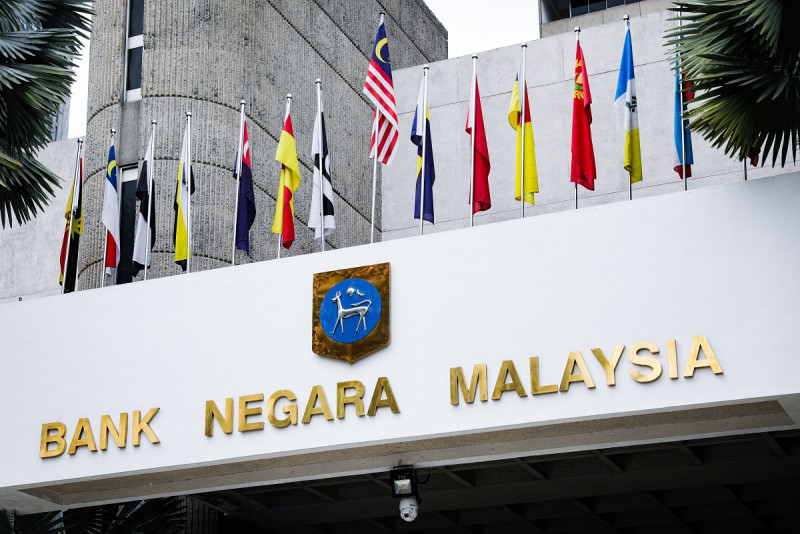
BANK Negara Malaysia has opted to maintain the Overnight Policy Rate (OPR) at 2.75%, signalling a steady approach to monetary policy despite rising global uncertainties linked to tensions in the Middle East.
The central bank highlighted that, while international risks are mounting, Malaysia’s economy continues to demonstrate strength, buoyed by robust domestic demand, healthy investment activity, and continued growth in both exports and tourism.
“The Malaysian economy is facing these challenges from a position of strength, with robust domestic growth, moderate inflation, sound financial sector and resilient external position,” the Monetary Policy Committee stated following today’s meeting.
Economic data show that Malaysia’s economy expanded by 5.2 per cent in 2025, driven by household consumption, stronger electrical and electronics exports, and a notable rebound in inbound tourism.
Bank Negara expects this positive momentum to persist into 2026, underpinned by ongoing multi-year infrastructure and private sector initiatives, continued execution of approved investments, and the implementation of national development master plans.
While the central bank pointed to these encouraging domestic indicators, it also acknowledged heightened downside risks stemming from the ongoing conflict in the Middle East.
These risks could disrupt global trade, influence oil prices, and introduce volatility into financial markets.
“The impact on the global economy will depend on the length and severity of the conflict. Downside risks arise from further escalation in geopolitical tensions and heightened volatility in global financial markets,” the committee observed.
Nonetheless, potential positives remain. Continued investment in technology, sustained demand for Malaysia’s electrical and electronics exports, and strong tourism activity are expected to support growth.
Employment gains, rising wages, and government policies are anticipated to maintain household spending, further reinforcing domestic economic resilience.
Inflationary pressures are moderate, with headline inflation at 1.6 per cent and core inflation at 2.3 per cent in January 2026.
Bank Negara projects that headline inflation will remain contained throughout the year, while core inflation is expected to hover near its long-term average, indicating steady economic activity without excessive demand pressures.
The Monetary Policy Committee affirmed that the present OPR level is “appropriate and supportive of the economy amid price stability” and pledged to continue close monitoring of global developments, particularly the unfolding geopolitical situation, to ensure that monetary policy sustains balanced growth and stable prices. - March 5, 2026