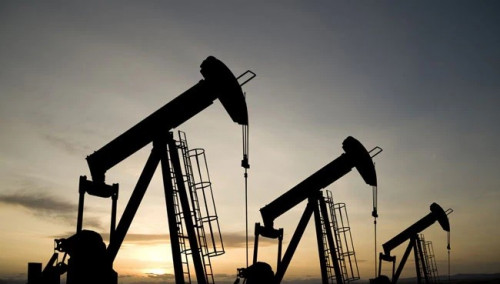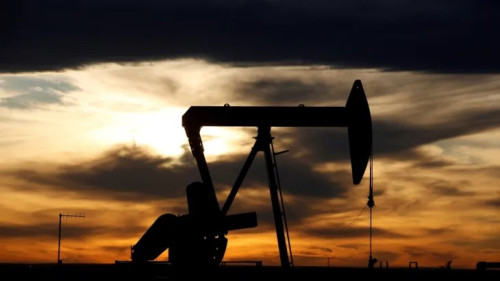
CRUDE oil prices extended their rally on Thursday, rising above US$80 a barrel for the first time in a month as escalating military action between the United States and Iran heightened fears of supply disruptions through the Strait of Hormuz, one of the world's most critical energy shipping routes.
The latest advance marked the fourth consecutive session of gains after US forces launched fresh airstrikes on Wednesday targeting Iranian missile storage facilities and launch sites near the strategic waterway.
Market sentiment was further unsettled by reports that US President Donald Trump is considering expanding military operations against Iran and has discussed the possible seizure of Kharg Island, the country's main oil export terminal.
The renewed tensions have reversed around one-third of crude's losses recorded during the second quarter, when an interim peace agreement had improved expectations for global oil supplies.
Supply concerns were also reinforced by continued Ukrainian attacks on Russian fuel production facilities and oil tankers, adding to uncertainty over the global energy outlook.
A weaker US dollar provided additional support for oil prices after the US Dollar Index slipped to 100.7 on Wednesday following softer-than-expected producer inflation data.
The latest figures showed US producer prices unexpectedly declined by 0.3 per cent in June, defying expectations of no monthly change, while both headline and core annual inflation measures also came in below market forecasts.
The data followed weaker-than-expected consumer inflation figures released a day earlier, strengthening expectations that price pressures in the United States are continuing to moderate.
New York Federal Reserve President John Williams said inflation remained "unquestionably too high" but noted there were "encouraging reasons to expect that inflation has peaked".
However, he cautioned that the escalating conflict in the Middle East and the recent surge in oil prices could still pose upside risks to the inflation outlook.
Federal Reserve Chair Kevin Warsh also reaffirmed the US central bank's commitment to restoring price stability during testimony before Congress.
Despite the recent inflation data, financial markets have reduced expectations of another interest rate increase, with traders now pricing in about a 49 per cent probability of a Federal Reserve rate hike in September, down from around 70 per cent a week ago. - July 16, 2026



.jpeg)