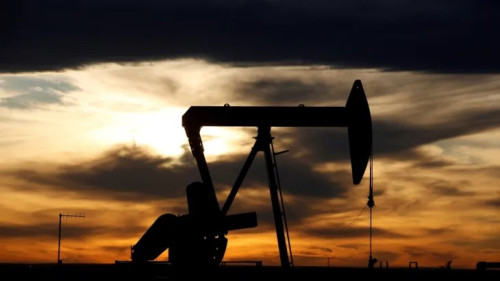
OIL prices rose above US$80 per barrel on Wednesday, marking a third consecutive day of gains as investors reacted to heightened geopolitical risks in the Middle East and growing concerns over potential disruptions to global energy supplies.
The latest rally followed renewed military tensions between the United States and Iran after US President Donald Trump threatened further military action against Tehran while reinstating a US blockade in the Strait of Hormuz, one of the world's most strategically important oil shipping routes.
Trump said military operations would continue and warned that the United States could target Iranian power plants and bridges next week unless Tehran returned to the negotiating table.
At the same time, he abandoned plans to impose a 20 per cent transit fee on cargo passing through the Strait of Hormuz, saying any forgone revenue would be more than offset by future investment commitments from Gulf states into the United States.
The renewed confrontation has reignited fears of supply disruptions after Persian Gulf producers had recently increased exports following the signing of an interim peace agreement, which had briefly eased concerns over regional stability.
Further support for oil prices came from a weaker US dollar after softer-than-expected US inflation data reduced market expectations of further interest rate increases by the Federal Reserve.
Meanwhile, the US Dollar Index fell more than 0.5 per cent to around 100.7 after data showed annual consumer inflation slowed to 3.5 per cent in June from 4.2 per cent in May, below market expectations of 3.8 per cent. Lower energy prices contributed to the moderation in headline inflation.
Core inflation also eased to 2.6 per cent, while monthly consumer prices declined by 0.4 per cent, marking the first monthly fall since 2020.
The inflation figures tempered the impact of recent hawkish comments from Federal Reserve Chair Kevin Warsh, who had reaffirmed the central bank's commitment to restoring price stability and maintaining a firm stance against persistently elevated inflation.
However, losses in the US dollar were limited as renewed conflict between Washington and Tehran prompted investors to reassess geopolitical risks.
The collapse of the interim US-Iran peace agreement, the resumption of US military strikes, the reinstatement of the naval blockade, and fresh Iranian attacks on shipping in the Strait of Hormuz have collectively revived concerns over the security of global oil supplies, underpinning crude prices despite easing inflationary pressures in the United States. - July 15, 2026