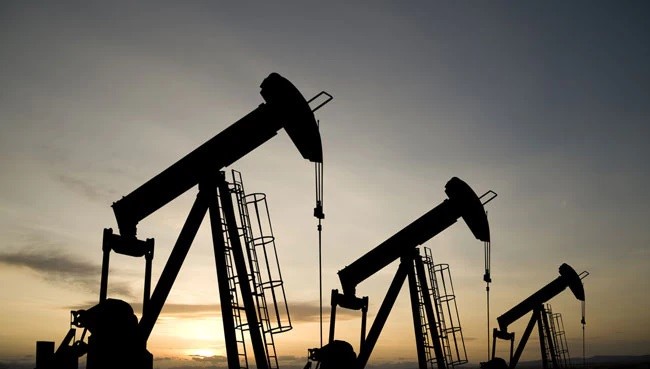
CRUDE oil prices climbed more than four per cent to above US$83 a barrel on Wednesday, snapping a three-day losing streak as renewed hostilities in the Middle East reignited concerns over potential disruptions to global energy supplies.
The rally followed reports that the United States military intercepted multiple ballistic missiles launched by Iran against US forces stationed in the Middle East, escalating geopolitical tensions after several days of relative calm.
Meanwhile, Iran-backed militias in Iraq reportedly launched drone attacks on oil facilities in Saudi Arabia's Eastern Region for a second consecutive day, although the full extent of the damage has yet to be determined.
Diplomatic efforts also appeared to stall after Iran rejected Oman's proposal for shared control of the Strait of Hormuz, maintaining that Tehran should retain full control of the inbound shipping lane and part of the outbound route.
Adding further support to prices, data from the American Petroleum Institute (API) showed US crude oil inventories fell by 3.3 million barrels last week, signalling continued tightness in global oil supplies.
In currency markets, the US dollar remained close to a one-month high on Wednesday, supported by safe-haven demand as investors awaited the outcome of the Federal Reserve's policy meeting later in the day.
Trading was subdued during the Asian session as investors stayed on the sidelines ahead of the Federal Open Market Committee (FOMC) decision, with markets pricing in roughly a 33 per cent probability of a 25-basis-point interest rate increase.
The renewed rise in oil prices also reinforced concerns that higher energy costs could complicate the inflation outlook and strengthen the case for the Federal Reserve to maintain a restrictive monetary policy stance.
The euro traded near a one-month low of US$1.1386 after declining 0.3 per cent so far this month, while sterling eased 0.06 per cent to US$1.3282, hovering near its weakest level since July 1.
“I still think that the Fed will need more indication on how long the inflation risk is going to play out,” said IG market analyst Fabien Yip.
“The US dollar will remain relatively strong because of the ongoing uncertainties in the Middle East, but at the same time, if you look at central bank policies, the United States appears to be in a better position than most other major economies to maintain a hawkish stance,” he added.
The US dollar index stood at 101.43, while the greenback strengthened slightly against the Japanese yen to ¥163.88, keeping pressure on the Japanese currency, which remains near four-decade lows.
SMBC chief foreign exchange strategist Hirofumi Suzuki said the Federal Reserve's policy decision and Chair Jerome Powell's press conference could provide further momentum for the US dollar.
“There is a possibility that the FOMC's policy decision and the Chair's press conference could trigger further strengthening of the dollar, pushing USD/JPY to 164,” he said.
“The likelihood of foreign exchange intervention appears significant, as Japanese financial authorities have stepped up their warnings. If the yen weakens further following the Bank of Japan's monetary policy meeting, that could provide the trigger for intervention.”
Elsewhere, the Australian dollar was little changed at US$0.6973 ahead of domestic inflation data, while the New Zealand dollar slipped 0.09 per cent to US$0.5782. - July 29, 2026