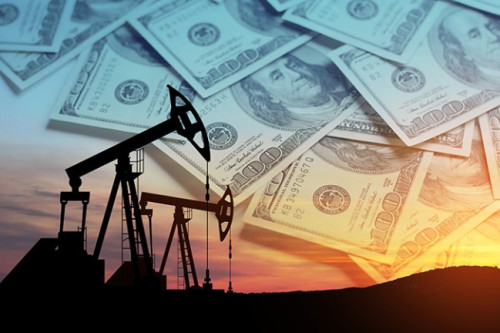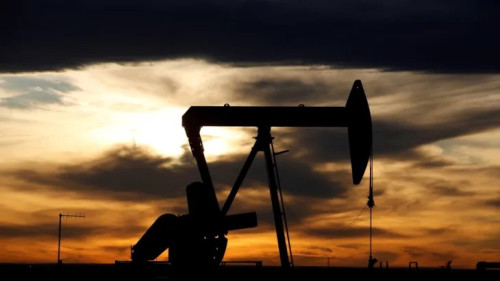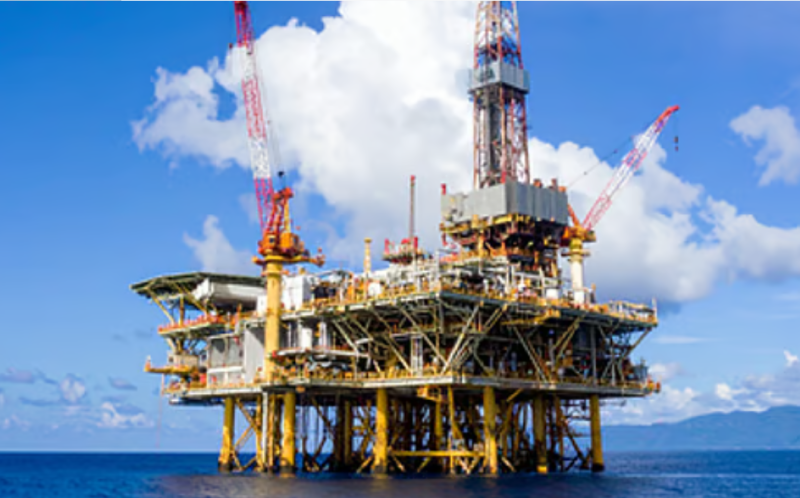
CRUDE oil prices surged on Friday, with US crude trading above US$86 a barrel and Brent above US$93, as markets headed for a second consecutive week of gains amid mounting geopolitical tensions and concerns over global energy supplies.
US crude was up nearly 6% for the week, while Brent had gained more than 5%, as the US-Iran conflict showed no signs of easing and the two sides remained locked in a dispute over control of the Strait of Hormuz.
The oil rally came as Washington prepared to intensify its campaign to economically isolate Iran, with President Donald Trump describing the planned initiative as an “economic D-day”.
Details of the measures are expected to be announced on Monday and are likely to target Tehran’s access to international financial and commercial channels, including banks, businesses, shipping registries, cash transfers and smuggling networks.
The US hopes the measures will increase economic pressure on Tehran and push Iran towards negotiations over the conflict, its nuclear programme and the Strait of Hormuz.
Oil markets were also pressured by a series of Ukrainian strikes on Russian energy infrastructure, which have caused fuel shortages in parts of Russia and added to concerns over further disruptions to global supplies.
Meanwhile, the US dollar index held around 98.8 on Thursday, hovering near its lowest level in three months as the US government moved to contain rising long-term borrowing costs.
The US Treasury Department said it would at least double the size of liquidity-support buyback operations involving securities with maturities of between 10 and 30 years, following a recent surge in yields that heightened concerns over market liquidity and stability.
The move signalled a willingness by the Treasury to take a more active role in the bond market to limit long-term yields, potentially improving dollar liquidity across the global financial system.
At the same time, minutes from the Federal Reserve’s July meeting showed that some policymakers favoured raising interest rates this year to prevent stronger inflationary pressures from emerging later.
Heightened uncertainty in the Middle East, with Washington and Tehran still at an impasse, has also kept inflation risks firmly in focus, reinforcing pressure on policymakers as energy costs rise. - August 21, 2026