Business

IMF warns of ‘more salient’ risks to further trade fragmentation in Asia Pacific

Region remains vulnerable to reduced cross-border trade flows, foreign direct investment, report says

Updated 3 years ago · Published on 02 May 2023 1:55PM

IMF warns of ‘more salient’ risks to further trade fragmentation in Asia Pacific
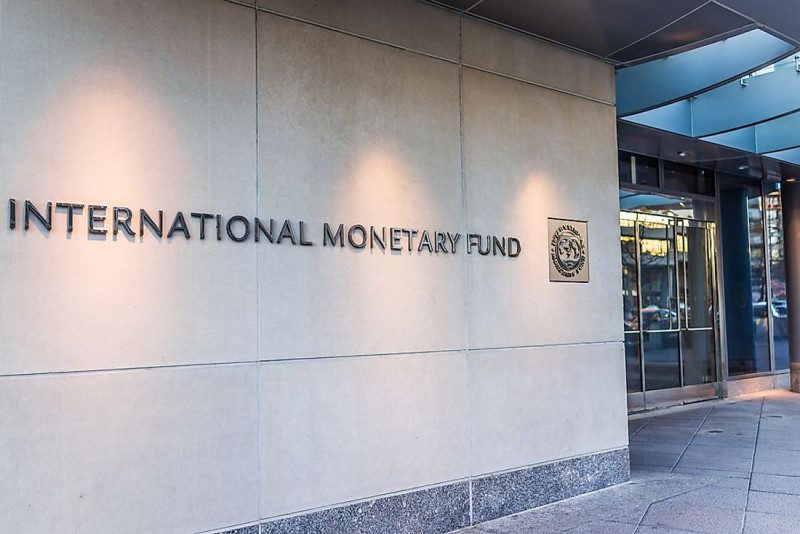
International Monetary Fund’s Regional Economic Outlook for Asia and the Pacific report says the impact on Asian economies would depend on the degree of export exposure to China’s domestic demand and investment and on global value chains via China. – Wikipedia pic, May 2, 2023

WASHINGTON – The risks of greater trade fragmentation in the Asia Pacific region are becoming more noticeable, the International Monetary Fund (IMF) said, reported Sputnik.

“Risks of further global trade fragmentation are becoming more salient,” the IMF said in its Regional Economic Outlook for Asia and the Pacific yesterday.

The risks fuelling the ongoing trade disputes between the United States and China include the new restrictions on trading high-tech products and the heightened geopolitical tensions linked to the conflict in Ukraine, the report said.

The IMF warned in the report that Asia remains especially vulnerable to reduced cross-border trade flows and foreign direct investment.

A potential reduction could be effected by the world fragmenting into multiple blocs, with Asia’s exporters heavily exposed to China, Europe, and the United States, the report said.

“Meanwhile, the medium-term slowdown in productivity and investment in China – which could sharpen due to fragmentation pressures – may have profound and unanticipated adverse implications for the rest of the region,” the report said.

The impact on other Asian economies would depend on the degree of export exposure to China’s domestic demand and investment and on global value chains via China, the report said.

The IMF said it expects the region’s economic growth to increase to 4.6% in 2023 from 3.8% in 2022.

“This means the region would contribute around 70% of global growth. Asia’s dynamism will be driven primarily by the recovery in China and resilient growth in India, while growth in the rest of Asia is expected to bottom out in 2023, in line with other regions,” the report said.

At the same time, core inflation in the region will follow the global trend and continue to be persistent despite signs that it is easing, the report added.

The financial conditions in Asia have generally eased since last October despite the Asian central banks continuing their monetary tightening cycle, according to the report. – Bernama, May 2, 2023

Related News

Malaysia / 2w

PM Anwar loses beloved elder brother; Idrus Ibrahim passes away

Malaysia / 3w

Anwar asks Loke to reconsider resignation over Najib pardon

Opinion / 1mth

Foreign influence, covert activities within Malaysian politics and society

Malaysia / 1mth

Jokowi calls on global institutions to meet  needs growing, interconnected world

Malaysia / 1mth

Billionaire numbers reach record high as wealth remains concentrated

Malaysia / 1mth

Anwar backs One China policy, says Beijing can pursue reunification

Spotlight

Malaysia

Haze: Schools in Johor, Melaka, and Negeri Sembilan to close tomorrow

Malaysia

Tun Mahathir’s health improves, but not ready to leave hospital

Malaysia

LPT3 row puts Kelantan’s infrastructure priorities under scrutiny

Malaysia

Terengganu royal family member sues two banks over RM1.99m missing from savings

Malaysia

Irene Sofiya murder probe referred to Johor prosecutors for review

Malaysia

Teacher denies negligence charges over fatal school SUV crash in Kota Bharu

Malaysia

Sulaiman Md Ali opts out of Melaka polls, will not defend Lendu

You may be interested

Business

Oil prices rise as Gulf attacks threaten supply recovery

Business

Oil prices stay above US$93 as Middle East tensions put pressure on ringgit

Business

SC plans new co-investment fund in 2027 to unlock growth capital for Malaysian businesses

Business

SC targets stronger board oversight through higher standards for company secretaries