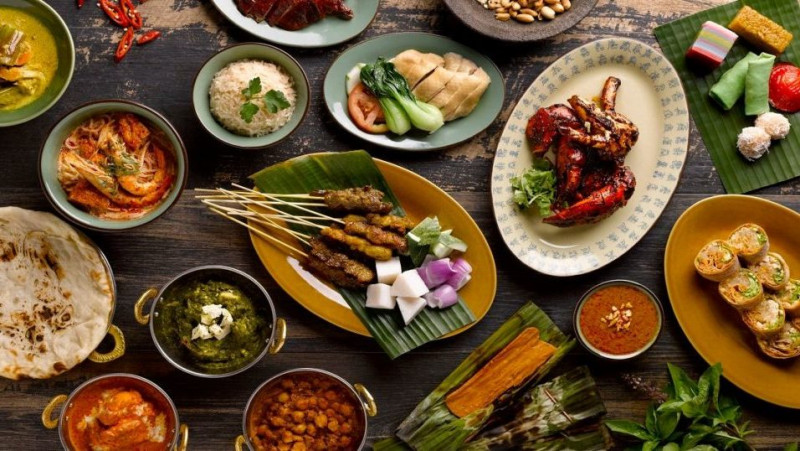
IN modern Malaysian life, grabbing a quick meal from outside has become a convenient choice for many, particularly for those pressed for time. Yet behind the ease and comfort of ready-made meals lies a growing public health concern.
Prof Dr Barakatun Nisak Mohd Yusof, a nutrition expert from Universiti Putra Malaysia, warns that foods repeatedly fried, sugary beverages, and oily side dishes not only lose nutritional value but are also major contributors to the country’s rising burden of non-communicable diseases (NCDs).
Data from the Malaysian Food Barometer reveals that 38.3 per cent of Malaysians’ meals are consumed outside the home, rising to 47.5 per cent when takeaway and delivery orders are included.
“High dependence on commercial meals has made the issue of healthy eating increasingly critical,” Prof Dr Barakatun Nisak told Berita Harian recenlty.
A study published in the Malaysian Journal of Nutrition found that individuals who frequently dine out consume an average of 2,934 milligrams of sodium per day, compared with 2,165 milligrams among those who eat at home.
Both figures exceed the recommended daily maximum of 2,000 milligrams, with particularly alarming implications for high-risk groups such as patients with hypertension, for whom the limit is 1,500 milligrams.
Popular Malaysian dishes, including nasi lemak, roti canai, and rice with various side dishes, are often high in salt, sugar, and calories, a situation compounded when paired with sweetened drinks, hot or cold. National statistics indicate that 54.4 per cent of adults in the country are overweight or obese.
The rapid growth of food delivery platforms, driven by convenience, combo promotions, and larger portion sizes, has further entrenched these dietary patterns.
Prof Dr Barakatun emphasised that habitual takeaway consumption increases the risk of cardiometabolic diseases, including diabetes, hypertension, and heart disease.
“Studies in Kuala Lumpur and Kota Bharu show that individuals who frequently eat out have higher sodium intake. Excess sodium is a primary trigger for high blood pressure and raises the risk of cardiovascular diseases,” she said.
International systematic reviews have similarly concluded that dining out is associated with higher consumption of energy, sugar, salt, and saturated fat, and with lower overall diet quality. Beyond nutrition, packaging also poses concerns.
The use of plastics such as polypropylene in hot food containers may release micro- or nanoplastics, presenting long-term health risks.
“From a nutrition perspective, takeaway meals tend to be loaded with oil, salt, and sugar to enhance flavour. Cooking methods such as deep-frying, thick sauces, and commercial condiments contribute to excessive calories without the consumer realising it,” Prof Dr Barakatun explained.
Cooking at home provides better control over oil, salt, sugar, and portion sizes. Healthier techniques, including steaming, simmering, boiling, grilling, and lightly stir-frying, can reduce health risks.
Takeaway foods are also commonly ultra-processed, including flour coatings, sauces, and processed meats, which are designed to be hyper-palatable and easy to eat quickly, leading to overconsumption.
Research shows ultra-processed diets can increase calorie intake and promote weight gain within as little as two weeks, even when nutrient content matches that of unprocessed meals.
Biologically, these foods raise hunger hormones like ghrelin while reducing satiety hormones such as GLP-1 and PYY, disrupting natural fullness cues and encouraging overeating.
“Although convenient and tasty, takeaway foods are on average higher in calories, sodium, and sugar, and are often served in large portions,” she said.
She recommends selecting healthier takeaway options such as steamed, boiled, or grilled dishes, following the quarter-quarter-half portion model, keeping sauces separate, choosing sugar-free drinks, and moderating portion size. Consumers can also request reduced oil, salt, and sugar when ordering.
Restaurants play a pivotal role in shaping public health, she added. Reducing salt, sugar, and oil in recipes, offering healthier staples like brown rice and vegetables in sufficient quantities, and displaying nutritional information are important steps toward healthier dining practices.
The Malaysian government has introduced initiatives such as the Healthier Choice Logo (HCL) and the Malaysia Salt Reduction Strategy 2021–2025.
The HCL has been expanded to restaurant menus and food delivery platforms, while the salt reduction strategy focuses on monitoring sodium content and reformulating recipes in the foodservice sector.
Prof Dr Barakatun Nisak emphasised that meaningful change requires consistent policy implementation and collaboration across sectors, including government, industry, academia, and food vendors.
“A comprehensive approach can shift the country’s dietary trajectory towards healthier, sustainable patterns,” she said.
“This effort is not only aimed at slowing the rise of diet-related diseases but, more importantly, at building a healthy, conscious, and prosperous society for future generations.”
Healthier takeaway choices include steamed, boiled, or grilled dishes, following the quarter-quarter-half portion guideline, keeping sauces separate, avoiding sugary drinks, and selecting moderate portion sizes. - December 7, 2025