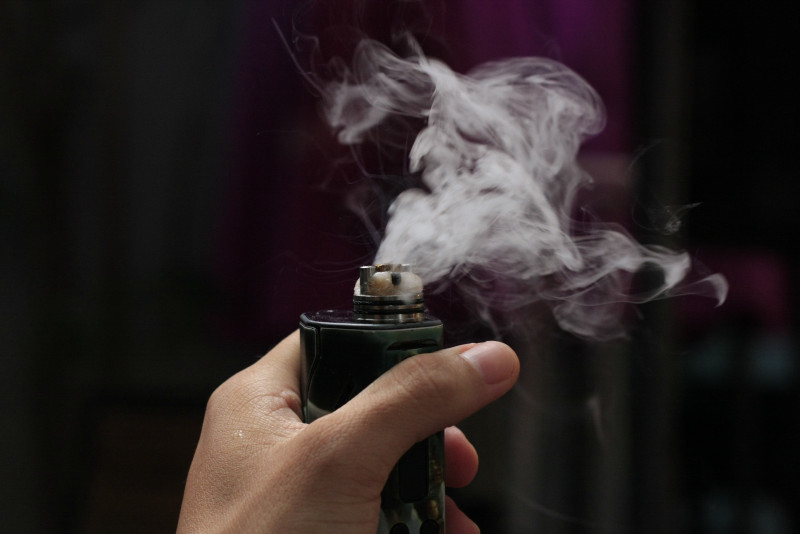
MALAYSIA’S healthcare community has intensified calls for stricter nicotine regulation after the High Court ruled that the government’s 2023 decision to exempt liquid and gel nicotine used in vape and e-cigarette products from the Poisons List was unlawful and irrational.
The Malaysian Pharmacists Society (MPS) described the judgment as a major victory for public health, arguing that the ruling restores critical safeguards that healthcare professionals had long warned were being dangerously weakened.
MPS president Amrahi Buang said pharmacists and public health advocates had consistently opposed the exemption because it created what they viewed as a serious regulatory vacuum that increased youth exposure to nicotine products.
“Public health safeguards should not be sacrificed for administrative convenience or fiscal objectives,” he said in a statement issued on Saturday.
Amrahi said healthcare professionals had repeatedly cautioned that removing nicotine liquids from poison regulation would eventually lead to wider accessibility and normalisation of vaping, particularly among younger Malaysians.
“As pharmacists, our concern was not abstract. We understood that easier access to nicotine products would eventually be seen in community settings, among young people, and in the daily work of healthcare professionals supporting smoking and vape cessation,” he said.
He noted that community pharmacists had increasingly become frontline responders to the growing social and medical consequences of nicotine dependence, particularly involving adolescents and young adults.
According to Amrahi, pharmacists are now regularly involved in smoking cessation counselling, nicotine addiction management and support for concerned parents struggling with rising vape use among children and teenagers.
The society also expressed solidarity with the Malaysian Council for Tobacco Control, the Malaysian Green Lung Association and Voice of the Children, which jointly initiated the judicial review challenging the exemption.
Amrahi said the legal victory reflected years of sustained pressure from healthcare professionals, educators, parents and civil society organisations concerned about the rapid expansion of vape culture in Malaysia.
“This was never the work of one organisation alone. It has been a long, difficult and often frustrating fight by many Malaysians who believed that nicotine addiction, especially among young people, should not be normalised,” he said.
He stressed that nicotine remains a pharmacologically active and highly dependence-forming substance that requires proper scientific oversight rather than treatment as an ordinary taxable consumer commodity.
Amrahi also underscored the significance of the Poisons Board, saying the court’s findings reinforced the importance of expert consultation in matters involving scheduled poisons and public health risks.
“The Poisons Board is not a decorative committee. The Court’s findings are also an important reminder that process matters. Expert advice matters. The role of the Poisons Board matters,” he said.
With the Control of Smoking Products for Public Health Act 2024 now in force, MPS urged authorities to intensify enforcement against vape products marketed towards youths while expanding smoking and vape cessation services nationwide.
The society also called for healthcare professionals to play a larger role in shaping future nicotine-control policies and urged the government not to appeal the High Court’s decision.
Amrahi said nicotine liquids and gels used in vape and e-cigarette products should immediately be returned to appropriate poison control regulation.
“Malaysia must choose prevention over addiction, evidence over expediency, and public health over revenue,” he said.
The High Court ruling delivered on Friday followed a judicial review application filed by three public health organisations challenging the government’s move to remove liquid nicotine from poison control regulations in 2023.
The exemption had previously triggered widespread criticism from healthcare groups and anti-smoking advocates, who warned that loosening restrictions on nicotine products risked accelerating vape use among minors and weakening long-established public health protections. - May 17, 2026