MALAYSIA’S dengue burden has surged by more than half this year, with 58,079 cases and 55 deaths recorded nationwide up to Epidemiological Week 32, prompting the Health Ministry to intensify efforts to contain transmission beyond the Klang Valley.
The 56.2 per cent increase from the corresponding period last year has been driven by a sharp rise in several states, with Selangor recording the highest number of infections at 25,090, followed by Kuala Lumpur and Putrajaya with 10,316 and Johor with 8,639.
The ministry said the initial increase had been concentrated largely in the Klang Valley, particularly Selangor, Kuala Lumpur and Putrajaya, where it stepped up early case detection, vector control, outbreak management and the mobilisation of personnel to strengthen field response.
"The intensified measures are beginning to show positive developments in the Klang Valley. However, the risk of dengue transmission remains high and the national situation remains concerning as an increase in cases is now also being detected in several other states," the ministry said in a statement today.
The scale of the increase was particularly pronounced in Perlis, where cases jumped 207 per cent to 169 from 55 as of Aug 15.
Johor recorded a 109 per cent increase to 8,639 cases from 4,140, while Kuala Lumpur and Putrajaya saw cases more than double, rising 106 per cent to 10,316 from 5,013.
Selangor, meanwhile, registered a 61 per cent increase from 15,610 cases last year to 25,090 this year, making it the country’s largest dengue hotspot in terms of infections.
Other increases were recorded in Labuan, up 86 per cent; Terengganu, 70 per cent; Perak, 43 per cent; Negeri Sembilan, 42 per cent; Sabah, 34 per cent; Sarawak, 33 per cent; Pahang, 11 per cent; and Kelantan, 10 per cent.
In contrast, dengue cases declined in Penang by 26 per cent to 916 from 1,233, Melaka by 36 per cent to 477 from 745, and Kedah by 60 per cent to 599 from 1,489.
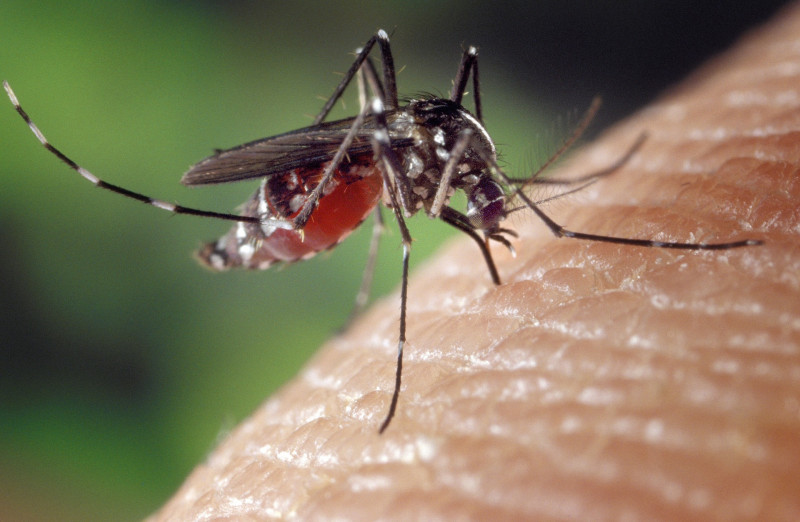
The ministry attributed the nationwide increase to a combination of factors, including erratic weather, with intermittent rainfall followed by hot conditions creating favourable environments for Aedes mosquito breeding.
"The existence of many water-holding containers that are not properly maintained in residential areas and surrounding environments also contributes to the increased risk of Aedes mosquito breeding and the spread of dengue fever," it said.
The ministry stressed that controlling dengue required sustained action by the wider community, noting that more than 70 per cent of Aedes breeding sites were still being found in residential areas.
It urged households to spend at least 10 minutes each week inspecting their homes and surrounding areas and destroying potential mosquito breeding sites, while taking precautions against mosquito bites.
People experiencing fever or warning signs associated with dengue were also advised to seek medical examination and treatment without delay.
The Health Ministry said it would continue monitoring the outbreak closely and adjust its interventions according to the latest epidemiological developments. - August 21, 2026