
CLINICAL psychologist Urmilah Dass of Prince Court Medical Centre shares how patients undergoing cancer treatment can better cope with stress, anxiety and worry during the Covid-19 pandemic.
My story
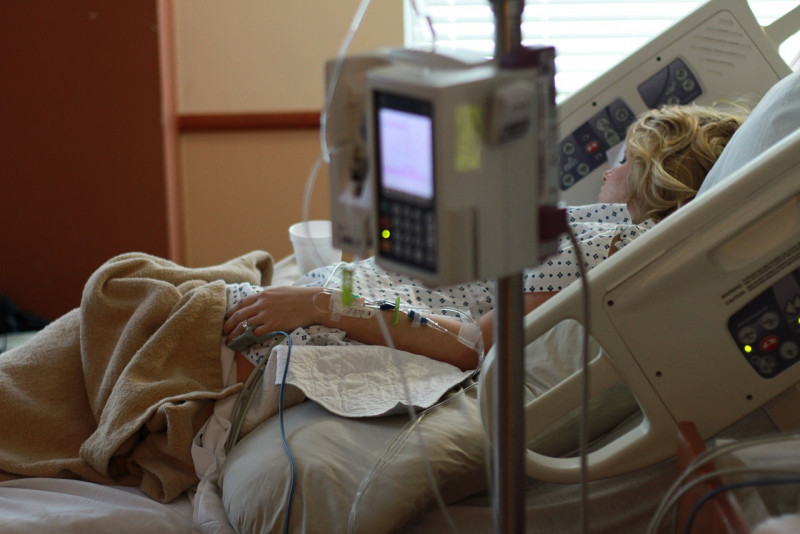
When I was first diagnosed with cancer in 2018 – it felt like my world had stopped. I was at a loss. As a cancer patient, you start thinking of your own mortality. You start dreading the imminent pain and side effects that come with the treatment and worry if you can even afford to get the help needed to save your own life.
As a cancer survivor and a clinical psychologist – I empathise even more with patients who are not just battling cancer today but are fighting the crippling fear and anxiety that come from living as an immunocompromised individual during this Covid-19 pandemic.
Giving up treatment
As an immunocompromised individual, cancer patients are more susceptible to contracting Covid-19. This can turn hospital appointments into an almost insurmountable task – resulting in patients opting to give up treatments.
While friends and family members may feel frustrated should patients decide to do so, be gentle with them. Talk it over and be as kind and supportive as possible. Cancer patients need their family and friends to be their cheerleaders now more than ever.
Regain control over your life
For cancer patients, this does not mean allowing anxiety and fear to dictate your life. There are some steps you can take to regain some of your own power. First and foremost, follow the SOPs set by the hospital:
- Keep away from crowds
- Use your face mask and shield
- Sanitise your hands often
- Leave the premises as soon as treatment is done
- Shower and launder all of your clothes once you reach home
Practise self-care and do what feels good – be it colouring, reading, or watching a movie. Make sure you eat balanced meals, consume food that is easy to digest, and up your fluid intake!
Do get ample rest but also go for short walks in the garden, stretch in the sunlight on your balcony, and practise yoga or tai chi to get the circulation going.
Staying mentally healthy indoors
Patients undergoing radiotherapy and/or chemotherapy are advised to stay indoors so as to avoid catching an infection. However, instead of focusing on what you cannot do, explore all the possibilities that you can do in the comfort of your home.
Try your hand at journaling or picking up a new hobby such as baking. You can always hop onto a video or phone call with friends as well to still stay connected to the outside world.
Helping a loved one
When I was battling cancer, I did not like to be alone. I wanted the safety and security that came with companionship – even if it meant my husband was in the living room while I rested in my room. So, caregivers, family, and friends – the best thing you can do is to be there for them.
If visiting them face-to-face is not possible, check in on them via a video call! Show them that they matter by paying attention to the little things.
For example, their treatments often result in appetite loss and nausea. Take the initiative and get them something sour such as assam boi.
Observe if they become more withdrawn and sleep a lot more than usual. While it could be due to exhaustion, it could also be a sign of depression.

Caring for the caregiver
We should not forget that caregivers shoulder a heavy burden too. They also often end up being on the receiving end of the patient’s anger and frustrations. While tensions may run high, understand that the snappiness comes from the daily physical and emotional exhaustion.
Instead of lashing out, seek healthy outlets for your anger. Reach out and talk to someone – don’t keep it all bottled up inside. Realise that it is okay to ask for help.
Many caregivers may find themselves feeling run down; getting frequent headaches; and noticing changes in their sleeping habits.
If that happens to you, it’s time to take a break and ask someone else to step in to care for your loved one while you work on your own mental and emotional health.
Ending on a positive note
Remember that you do not have to suffer alone. There are many people in your life who love and care for you. So, hold onto the things that matter and know that there is always a light at the end of the tunnel. – The Vibes, February 4, 2021
Urmilah Dass is a clinical psychologist at Prince Court Medical Centre