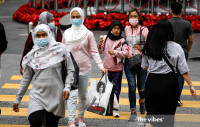
BANGKOK – The United Nations sexual and reproductive health agency, UNFPA, and UN Women have released a report titled ‘Covid-19 and Violence against Women: The Evidence Behind the Talk’. It found internet searches related to violence against women and help-seeking rose significantly during lockdowns in several Asian countries.
By partnering with analytics company Quilt.AI, it used big data analysis to arrive at the finding, which buttresses evidence of the dangers faced by women confined to homes or restricted in their movements.
The report shows government and private service providers should boost their online reach and engagement with survivors of violence, the UNFPA and UN Women said in a statement.
The report focuses on eight countries: Bangladesh, India, Indonesia, Malaysia, Nepal, Philippines, Singapore and Thailand. The analysis spanned periods from September 2019 to November 2020 and covered about 20.5 million unique searches; 3,500 keywords on violence against women; 2,000 posts on Facebook, Twitter, YouTube and ShareChat; and the Facebook pages and social media posts of 32 service organisations.
The report says searches related to physical violence – including keywords such as “physical abuse signs”, “violent relationship”, and “cover bruises on face” – in Malaysia, Philippines and Nepal increased 47%, 63%, and 55%, respectively between October 2019 and September 2020.
Searches using help-seeking keywords such as “domestic violence hotline” increased in almost all countries – including a 70 per cent rise in Malaysia. Online misogyny rose, including trolling, sexual harassment and victim-blaming. But, online support for survivors also increased as did campaigns by service providers.
The search analysis points at increasing concerns on partner violence – with queries on “violent husband” or “violent partner” comprising the bulk of searches related to violence against women in seven of the eight countries. And sexual abuse searches are also increasing, likely by the survivors of partner violence.
On social media, people expressed widespread frustration with the weakness of government responses to violence against women amid the Covid-19 pandemic and preferred to settle cases outside justice institutions, which they do not trust, the analysis shows.
Targetted analysis also captured keywords about migrants and associated searches/posts to understand the unique set of challenges that women and men migrants are facing during the Covid-19 pandemic.
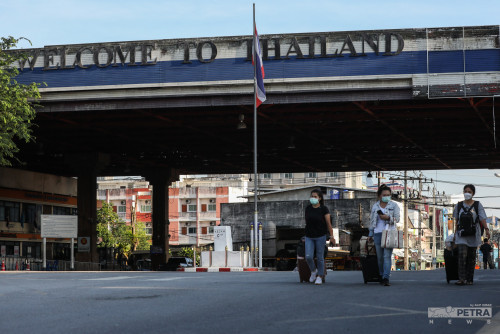
The analysis revealed that almost 80% of searches in neighbourhoods with large migrant populations in three destination countries (Malaysia, Thailand and Singapore) are related to mental health – highlighting an increase in feelings of stress, depression, fear, anxiety and loneliness among migrant populations.
"The so-called ‘shadow pandemic’ of violence against women and girls under lockdown is widely recognised by now, and this analysis proves what we have long anticipated,” said UN Women Asia-Pacific Regional director Mohammad Naciri.
“This analysis of big data now gives us a better picture of exactly what different women need most urgently, and how all support agencies – government, private-sector, international organisations and civil society – can improve the ways they reach out to these groups,” Naciri added.
“The study clearly shows the crucial role digital platforms can play in helping address violence against women,” said UNFPA Asia-Pacific regional director Bjorn Andersson.
“It also underscores the urgent need to provide digital literacy skills to disadvantaged populations, to ensure access to potentially lifesaving online tools. Supporting women and girls impacted by the digital divide must be a priority for governments and partners as countries build back better in a post-pandemic world.” – The Vibes, March 5, 2021