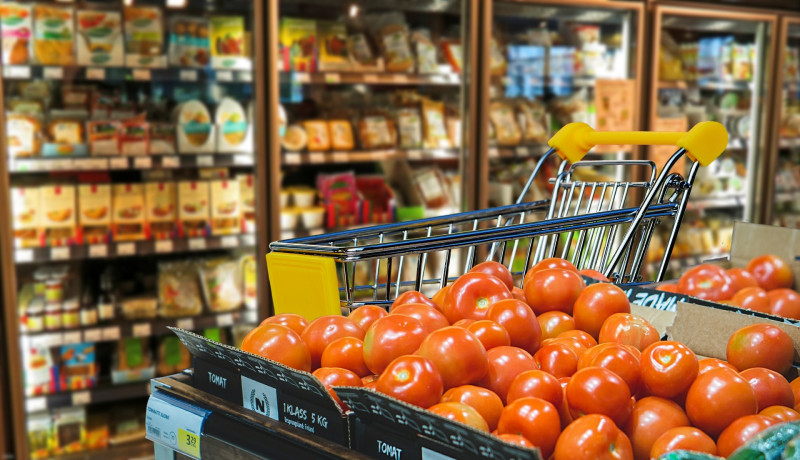

THE last few months have been financially challenging and we’re all in penny-pinching mode. Good nutrition comes from eating a variety of grains, proteins, vegetables, fruit and dairy. While marketing terms like “superfoods” give us the impression that these foods are extremely nutritious, the truth is you don’t have to derail your budget to eat healthily. So, when it boils down to our food expenses, can you eat healthily when your budget is limited? Here’s what you can do:
Get cooking
We all know that convenience comes with a price. So if you want to save, do it yourself! Cooking a simple meal is definitely cheaper than eating out or ordering food delivery all the time. Plus you’re more in control of the quality and amount of ingredients used such as oil, salt or sugar so you can make it healthier than your typical take out meal.
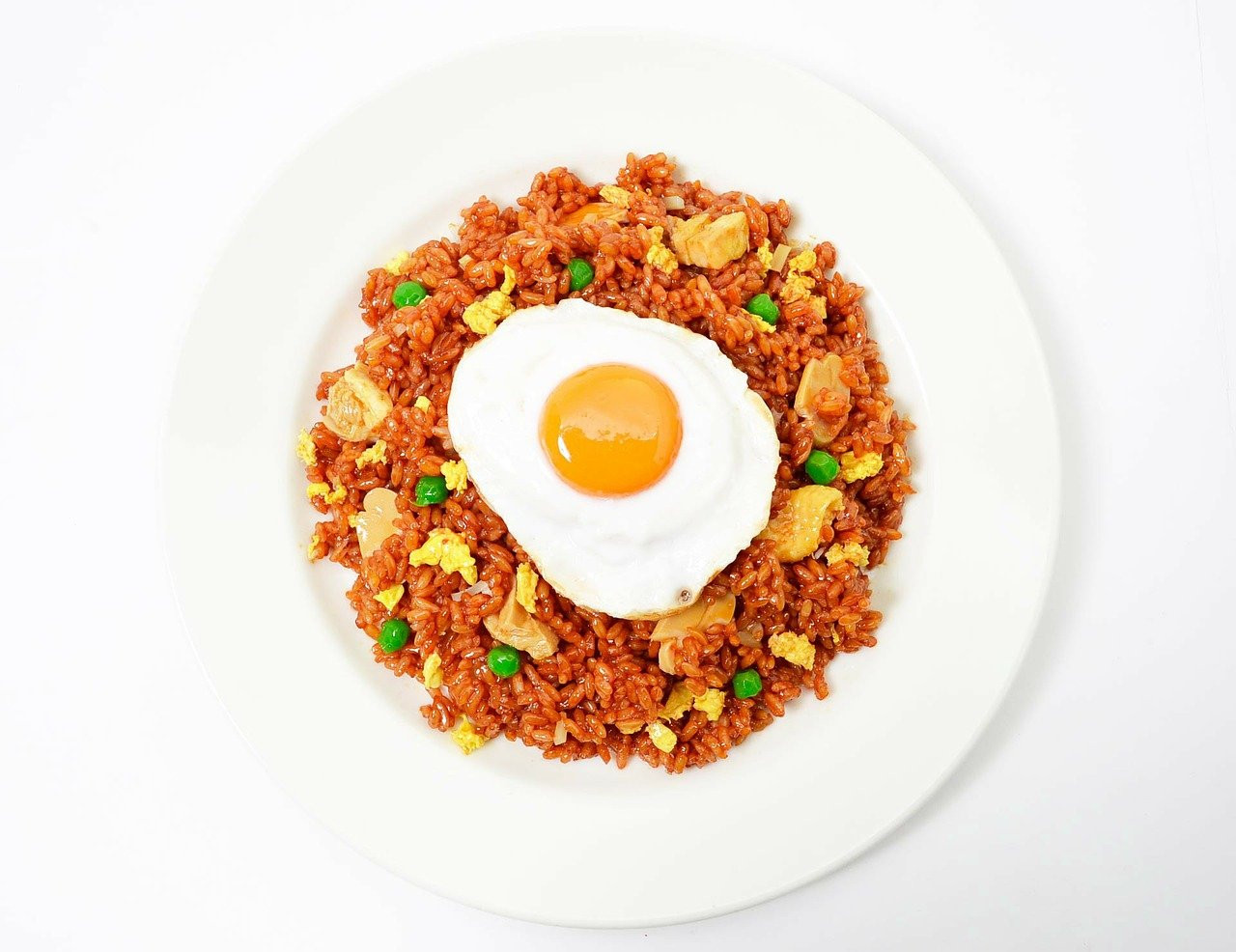
Don’t fret if you think your cooking skills are less than stellar. Listen, if I can do it, anyone can too! A budget meal in my home can be a sandwich and some cut raw vegetables tossed into a salad, wholegrain cereal with milk, fruit and nuts, a large pot of chicken and vegetable soup, or a one-dish nasi goreng, pasta or noodle soup.

I stick to the formula of having a grain, protein and vegetables or fruit to create a balanced meals for my family. Do check out healthy recipes and videos to bring out your inner chef.
Meal plan to avoid food wastage
Another money-wasting trap we fall into is when we impulsively overbuy a hodge-podge of produce and end up having to discard them when they rot or expire. A simple solution to this is to plan on what you’d like to cook for the week.
Don’t overlook the foods you still have in your fridge or pantry too. For example, if you notice you still have lots of potatoes in your pantry, plan for recipes with potatoes to use them up. Once you have an idea of the meals you’re going to make, then list down your grocery list that you need to buy. Too troublesome to make a grocery list you say? Let me tell you why you should.
Keep to your grocery list
Believe me, when you grocery shop (whether physically or online shopping), it’s very easy to get tempted by promos and end up putting all kinds of foods and drinks into your shopping cart. But when your budget is tight, your goal is to not end up spending money on unnecessary foods that don’t give you the essential nutrition you need. And this is why your grocery list is key to help you stay in line.
Another rule of thumb is to not go grocery shopping (physically or online) on an empty stomach. Food shoppers have zero will power when they are famished and are prone to buying high sugar and high salt foods such as snacks and desserts.
I recall the time I went grocery shopping while I was famished – I ended up buying a huge tin of assorted cream biscuits, potato chips and chocolates which made my grocery bill RM80 off budget. My hungry brain must have been on auto-cruise and navigated me to the naughty snack aisle!
Buy fresh & local
Choose more fresh produce than packaged foods to get more nutrients. Processed foods may seem more convenient, but they come with a lot more added ingredients that have an impact on your health such as food additives, salt, sugar and colouring.
For example fresh pineapple is naturally packed with vitamins and minerals. But canned pineapple has its nutrients diminished through the canning process, has added sugary syrup and additives to prolong its shelf life. Scan the ingredient list on the packaged foods. If there are more words listed that sound like a chemistry manual rather than real food, then you can bet it’s highly processed.
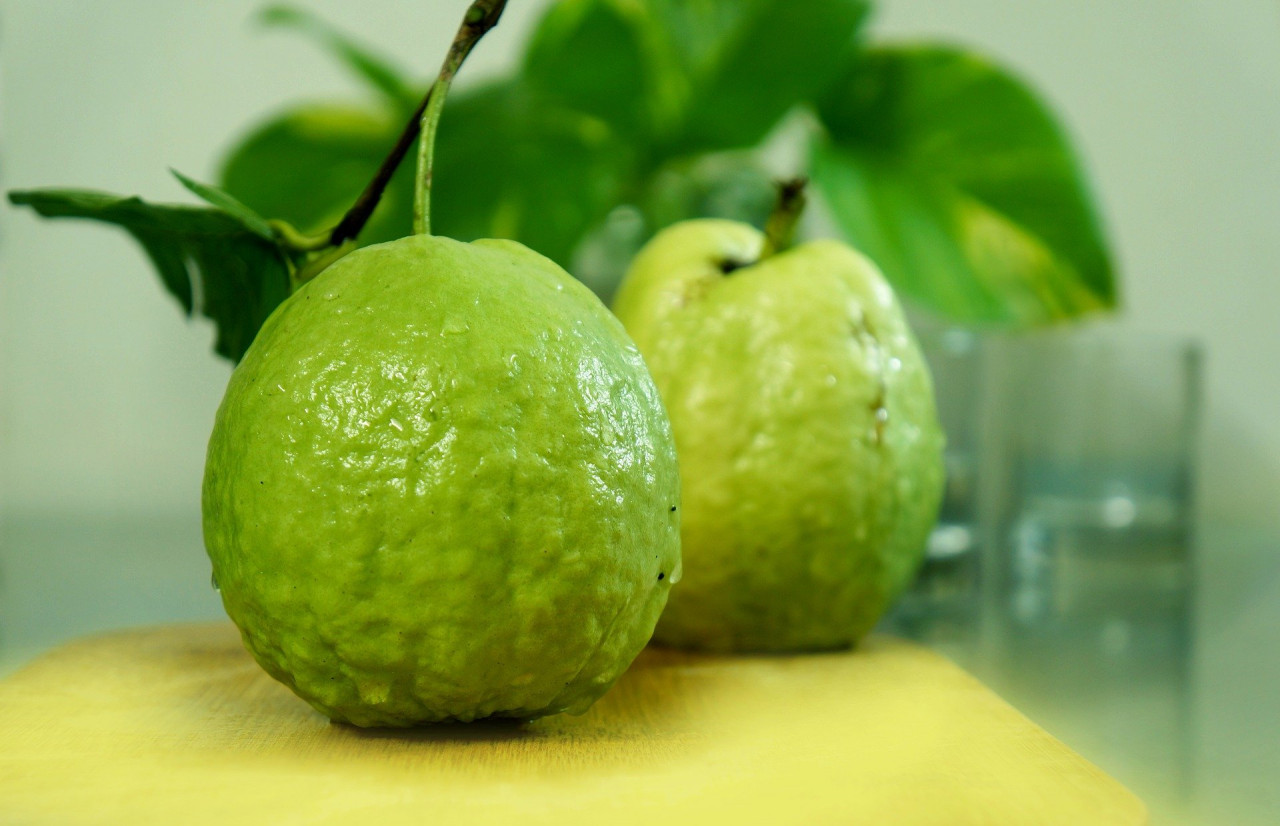
You can get so much more for your ringgit by buying local produce. They are just as nutritious, if not more. Did you know guava has a higher amount of dietary fibre and vitamin C than an imported orange? Also look for farmer’s markets where you can get better priced local produce direct from the source.
Don't snub the markdowns
All grocery stores have markdowns on fresh vegetables, fruit, meats and breads at the end of the shopping day or first thing in the morning when they open. Do check them out as they are still very much in edible condition and an excellent way to stretch your ringgit.
Substitute with plant protein
Meats are an expensive grocery item, so having some meatless meals are a way to save money as well. Going meatless doesn’t mean you compromise on your protein intake. There are other foods that are rich in protein such as beans, legumes, eggs, dairy, taufu, nuts, seeds and wholegrains. Plants proteins are lower in saturated fat than meat and have no cholesterol. Making some of your meals with plant proteins helps you to eat healthy and save money too.
According to the Recommended Nutrient Intake for Malaysians by Ministry of Health Malaysia, for good health, the average adult requires 1 gram of protein for every kilogram of their body weight. So, if you currently weigh 60 kilograms, you’ll need 60 grams of protein in a day. Consider adding these meatless protein superstars to your plate:
Beans & lentils (chickpeas, dhal, black beans, green beans, red beans, etc) – 8 grams protein per ½ cup
Green peas – 8 grams protein per cup
Edamame beans – 5 grams protein per ¼ cup shelled
Tofu – 9 grams protein per 90 gram piece
Eggs – 6 grams protein per egg
Nuts – average of 6 grams protein per ¼ cup
Milk – 8 grams protein per 1 cup (250 ml)
Chia seeds – 3 grams protein per Tablespoon
Greek Yogurt – 10 grams protein per 1 cup
Paneer (Indian cottage cheese) – 14 grams protein per 100 grams serving
Brown rice – 5 grams protein per 1 cup cooked
Quinoa – 8 grams protein per 1 cup cooked

Pack your lunch
The nice thing about you cooking is you can plan for leftovers to have for another meal. A client of mine was amazed how this simple tweak of packing her lunch three days out of the week helped her eat better and save money.
She increased her vegetables and fruit intake – foods that she was always lacking when she ordered the usual workday lunch fare at the local kopitiam or food delivery. Plus she managed to break her habit of buying expensive snacks like glazed donuts and boba teas which were always her weakness foods while at work. – The Vibes, November 14, 2020
Indra Balaratnam is a consultant dietitian who believes in simple, practical ways to eating well. She runs her private practice in Kuala Lumpur, where she sees her clients in person and online. Connect with her on her Facebook page: Indra Balaratnam Nutrition or on Instagram: @indrabalaratnamnutrition.