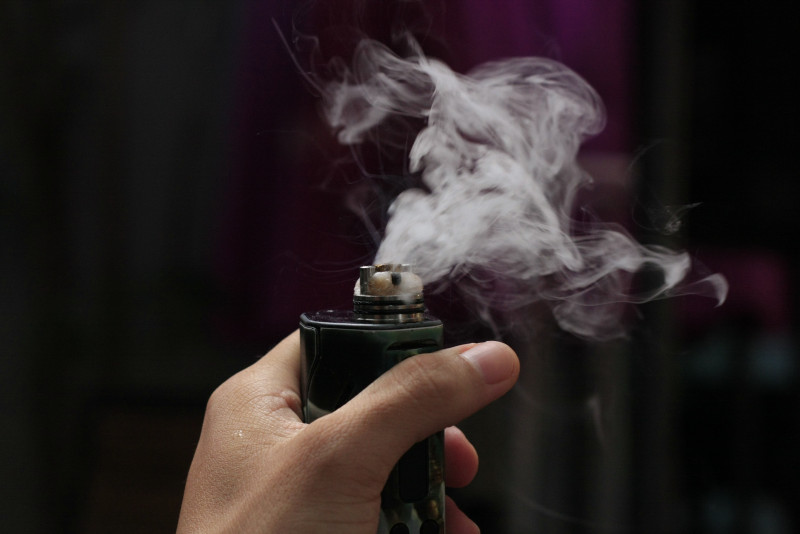
THE National Anti-Drugs Agency (AADK) has raised the alarm over a surge in drug abuse involving e-cigarettes or vapes, noting that synthetic substances, including cannabinoids and “mushroom”-infused liquids, are increasingly being consumed by young people, including school students.
AADK Director-General Datuk Ruslin Jusoh said the shift from traditional drugs like heroin and cannabis to synthetic stimulants, such as methamphetamine (syabu), ketamine, ecstasy and “horse pills”, demands a different treatment approach, as these substances act faster on the brain and often carry more severe health risks.
“This is also important to note because some vape liquids contain drugs. The abuse of drugs via vape is more hazardous, it can be life-threatening and may cause hallucinations or brain damage very quickly.
“The problem is spreading due to the easy online access. Our hope is to focus on the issue of vaping within the context of treatment,” he said during the AADK Media Engagement Programme 2025 on Wednesday evening.
Ruslin highlighted that treatment for synthetic drug users is more complex, as many also experience mental health issues, requiring intensive psychosocial interventions that address emotional, spiritual and biological aspects.
“We now need to tackle mental health problems, known as dual diagnosis. Previously, a person was only a drug addict, but now they are addicted and also facing mental health issues as a consequence. This is a challenge that we need to strengthen our capacity to address,” he said.
Citing official statistics, Ruslin said that as of September 2025, Malaysia had recorded 156,316 drug users, a decrease of 7.9 per cent from 169,691 cases in the same period last year. Of these, 76,467 individuals, or 83.2 per cent, were involved with synthetic drugs, predominantly aged 15 to 39.
He also urged employers not to marginalise former trainees, warning that stigma increases the risk of relapse.
During rehabilitation programmes, trainees receive skills training in areas such as pastry, agriculture, welding and service industries to help them become self-reliant.
AADK aims for an 80 per cent recovery rate, with the participation of external companies considered critical for ensuring former trainees remain stable and integrated within their communities.
Ruslin emphasised, “The situation requires a holistic approach and cannot rely solely on medication,” underlining the urgency for Malaysia to adapt its drug rehabilitation strategies in response to the growing use of vapes and synthetic substances. - November 20, 2025













.jpeg)