THE Government is stepping up efforts to protect its medicine supply chain as rising global costs and geopolitical tensions begin to filter through, even as current stock levels remain sufficient.
The Malaysian Organisation of Pharmaceutical Industries (Mopi) said local manufacturers are operating with a buffer of approximately three months’ worth of active pharmaceutical ingredients (APIs) and excipients, alongside about two months of finished products, ensuring continuity in the immediate term.
“There are no significant supply disruptions or shortages reported. However, there are early signs of price increases of APIs and plastic packaging materials as well as diesel and logistics costs.
“There are also some challenges in logistics, particularly for exports to certain regions. At this stage, there are no specific medicines identified as being disproportionately affected,” The Star reported Mopi saying.
Recasting the issue as one of resilience rather than scarcity, the industry body cautioned that Malaysia’s dependence on imported raw materials leaves it exposed to prolonged global supply chain disruptions, which could impact a broad range of medicines.
The Ministry of Health has echoed that assessment, maintaining that supply remains “stable and under control”, with one to three months of stock held at healthcare facilities and additional buffers of up to two months through concessionaire arrangements.
Amid early warning signs, companies are increasing inventories and securing forward purchases, while urging closer coordination with authorities to monitor essential medicine stocks, diversify sourcing and prioritise domestic supply where necessary.
The Malaysian Association of Pharmaceutical Suppliers highlighted the breadth of Malaysia’s supply network, noting that its members import from 40 countries across five continents, covering some 2,000 products.
Its president, Lim Teng Chyuan, said key sourcing markets include India, South Korea, Thailand and Germany, with India alone accounting for roughly 30 per cent of suppliers.
“Major concerns relate to cost escalations and the possibility of source countries limiting exports for the purpose of prioritising their own medicine security.
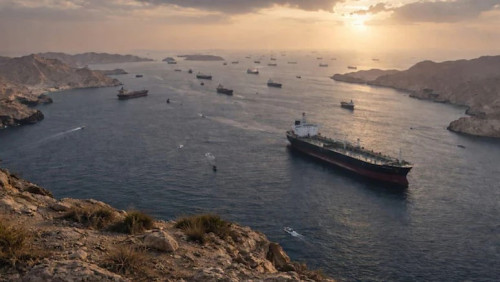
“So far, most of our members have experienced increases in freight costs and a small number have experienced increases in the cost of goods,” he said, citing disruption linked to Middle East tensions and the closure of the Strait of Hormuz.
He stressed that vulnerabilities extend beyond APIs, encompassing excipients, packaging materials, hydrocarbons used in production processes and fuel required across logistics networks.
“So far, the cost of freight has increased by around 20%, and in some cases, it has risen even higher, by 70% in cold chain transportation, according to feedback.
“Operation costs are also increasing. Most significantly, salespeople do not use Budi’s quota for travelling on company business, and the cost of fuel for companies is escalating very quickly.
“As for the drugs affected, the pharmacy services programme (PSP) is already working on getting a composite picture.
“Since the industry is represented by three associations, the central role of the PSP would be the most suitable point of coordination.
“The industry associations are supporting the data and information collection, which will prioritise national essential medicines and single-source products, according to the last consensus,” he said.
Lim added that mitigation measures could include building inventories, ensuring timely communication to prevent panic buying and, if necessary, rationing selected products, while calling for government support to ease financial strain on suppliers.
At the national level, the National Economic Action Council (NEAC) has assessed the wider implications of the global energy crisis, with Prime Minister Datuk Seri Anwar Ibrahim emphasising a coordinated response focused on resilience and public protection.
“The MADANI Government also prioritises ensuring the security of supply for medicines and medical devices through centralised stock monitoring, diversification of import sources, and emergency plans to ensure critical needs are always sufficient,” he said in a Facebook post.
Anwar said enforcement against leakages and smuggling would be intensified through tighter monitoring and integrated operations, while longer-term measures include expanding strategic buffer stocks, strengthening domestic industry capacity and advancing a comprehensive policy framework under MyMedSecure.
He added that the government would continue to act in a structured and responsible manner to manage the global energy crisis, ensuring the public remains protected while maintaining national resilience. - April 8, 2026