THE United States and Iran are reportedly nearing a significant breakthrough in efforts to stabilise their three-month conflict, with both sides said to have reached a preliminary understanding to extend their ceasefire and restore unrestricted shipping through the Strait of Hormuz.
According to sources familiar with the negotiations, the proposed arrangement would prolong the existing truce by an additional 60 days while diplomats attempt to resolve deeper disputes surrounding Iran’s nuclear ambitions, sanctions relief and the future American military presence in the region.
If formally endorsed by leadership in both Washington and Tehran, the agreement would represent the most substantial diplomatic progress since fighting erupted on February 28, a conflict that has killed thousands, destabilised the Gulf region and severely disrupted global energy markets.
However, uncertainty remains over the proposal’s final approval.
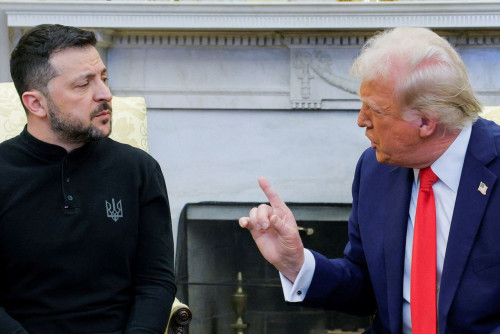
United States President Donald Trump has yet to formally endorse the agreement, according to sources cited by Reuters, while Iranian state-linked media insisted negotiations remain incomplete.
Iran’s Tasnim news agency, citing an unnamed source close to the talks, reported that the text of the proposed agreement had “not been finalised or confirmed”.
Despite the caution from Tehran, American officials signalled growing optimism.
“We're not there yet, but we're very close and we're going to keep on working at it,” United States Vice President JD Vance told reporters in Washington.
“I can't guarantee that we're going to get there, but right now I feel pretty good about it,” he added.
Under the reported framework, shipping traffic through the Strait of Hormuz — a strategic maritime corridor handling nearly one-fifth of global oil and liquefied natural gas supplies — would resume without restrictions. In exchange, Washington would ease its blockade on Iranian ports and relax selected sanctions targeting Iranian oil exports.
Markets responded positively to reports of the possible agreement, with oil prices declining amid hopes of renewed stability in Gulf shipping routes.
The tentative diplomatic progress emerged alongside another series of military exchanges between both sides, illustrating the fragility of the ceasefire.
United States Central Command said American forces intercepted five Iranian attack drones and destroyed a launch control station near Bandar Abbas before a sixth drone could be deployed.
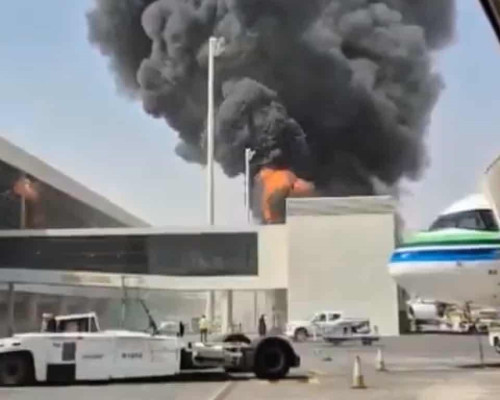
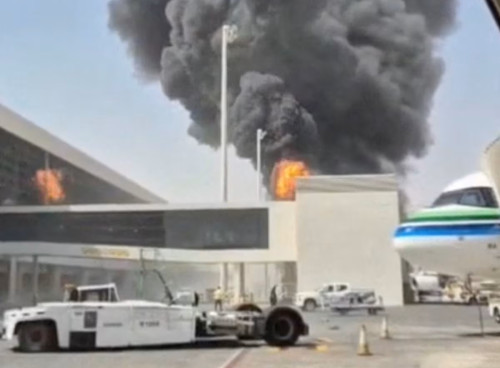
Kuwait later confirmed that its air defences intercepted a ballistic missile reportedly launched towards the country, which hosts a major American military installation.
An unnamed United States official rejected Iranian state television claims that an American aircraft had been shot down near Bushehr, insisting no US aircraft had been lost in the area.
American officials described the military actions as defensive measures intended to preserve the ceasefire rather than escalate hostilities.
Meanwhile, Iran’s Islamic Revolutionary Guard Corps warned that it had targeted the American base allegedly linked to the Bandar Abbas operation and threatened a “more decisive response” if similar attacks were repeated.
Kuwait condemned the missile launch as a dangerous escalation and demanded an immediate halt to further attacks.
The latest flare-up marked the second major security incident this week and coincided with Eid al-Adha celebrations across the Muslim world, highlighting how the conflict continues to reverberate throughout the region.
Pakistan, which has emerged as a mediator during the crisis, confirmed that Foreign Minister Ishaq Dar is expected to meet United States Secretary of State Marco Rubio in Washington, although officials have not disclosed the purpose or expected outcomes of the discussions.
Throughout the conflict, Tehran has maintained that any lasting agreement must include the lifting of sanctions, the release of frozen Iranian assets and the withdrawal of United States forces from the region.
Washington, meanwhile, continues to insist that Iran dismantle its nuclear programme, despite Tehran’s longstanding assertion that its nuclear activities are solely for peaceful civilian purposes.
Iran has also tied any broader regional settlement to an end to Israeli military operations in Lebanon, though violence there has continued unabated.
Israel said its forces had struck infrastructure linked to the Iran-backed Hezbollah movement in the southern Lebanese city of Tyre and conducted additional operations in Beirut.
The Lebanese military separately confirmed that one of its soldiers had been killed in an Israeli strike.
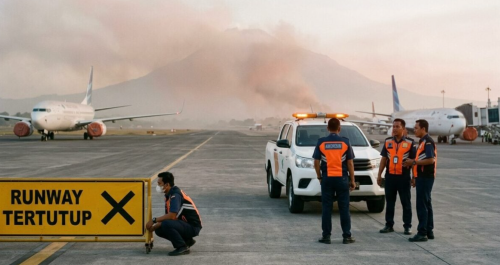
The regional conflict has sharply reduced maritime activity in the Gulf, with average daily crossings through the Strait of Hormuz reportedly falling by 88 per cent since the initial US-Israeli strikes against Iran in late February.
The diplomatic tensions have also drawn in Oman, long viewed as a neutral intermediary in regional disputes.
Washington recently warned Muscat against supporting any Iranian proposal to impose tolls or joint controls in the Strait of Hormuz, while President Trump reportedly threatened military action against the Gulf state despite longstanding strategic ties between the two nations.
United States Treasury Secretary Scott Bessent later said Oman’s ambassador had assured Washington that no such toll plans existed.
Oman has publicly maintained that its discussions with Iran focus solely on safeguarding freedom of navigation through the strategic waterway. - May 29, 2026