DEPUTY Prime Minister Datuk Seri Dr Ahmad Zahid Hamidi has outlined a three-pronged strategy aimed at repositioning the Bumiputera economy as a leading force in Malaysia’s future growth, calling for greater ownership of economic assets, stronger technological capabilities and deeper participation in high-value industrial supply chains.
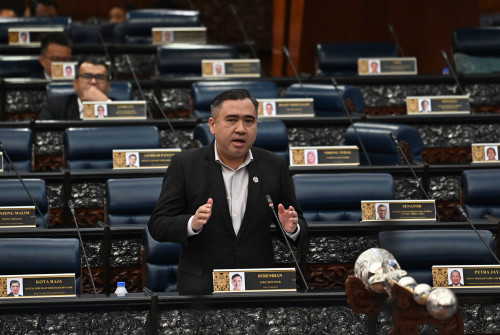
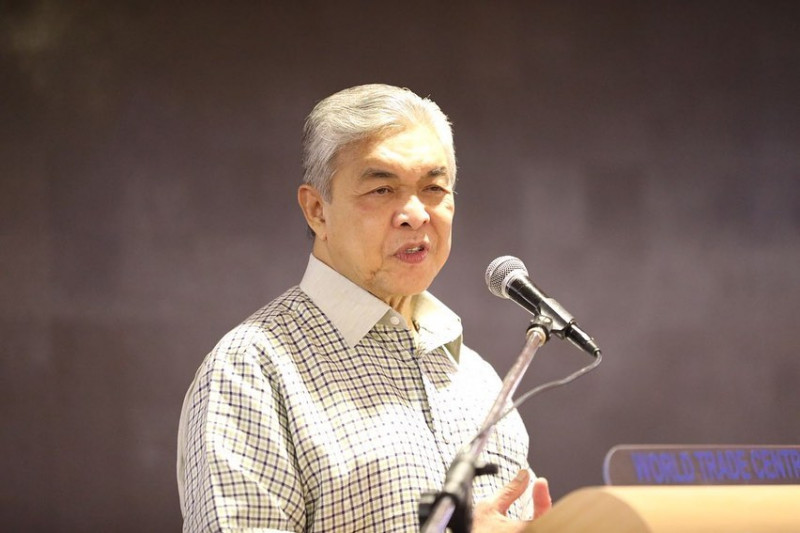
Speaking at the closing ceremony of the Bumiputera Entrepreneur Economic Convention (KEUB) 2026, Ahmad Zahid said the traditional focus on participation was no longer sufficient in an increasingly competitive and technology-driven global economy.
Instead, he argued, the next phase of Bumiputera economic development must centre on ownership, innovation and market leadership.
The first shift, he said, involves moving Bumiputera entrepreneurs from participation to ownership across key sectors, particularly within the rapidly expanding digital economy.
According to Zahid, success should no longer be measured solely by the number of Bumiputera businesses operating in digital marketplaces but by the extent to which they own and control the platforms that generate economic value.
"Previously, we often measured success through participation and by how many Bumiputera entrepreneurs were involved in business and the digital economy, but the more important question is who owns the platforms and controls the market.
"We may have many people doing business on digital platforms, but who owns the platform?" he said.
He stressed that ownership of digital infrastructure and commercial ecosystems would be crucial in ensuring long-term economic resilience and competitiveness.
The second transformation focuses on technological capability, with Zahid calling for Bumiputera entrepreneurs, Technical and Vocational Education and Training (TVET) students, researchers and industry players to be integrated into a single innovation ecosystem capable of producing competitive local technologies.
He said Bumiputera participation in emerging technologies must move beyond consumption and adoption towards the creation of intellectual property, innovation and technological solutions.
"AI should not be viewed as an elite technology suitable only for large corporations. Instead, it must be utilised to improve productivity, reduce costs and expand market opportunities for Bumiputera entrepreneurs," he said.
Zahid, who also chairs the national TVET agenda, said artificial intelligence represented a significant opportunity to accelerate economic advancement if deployed strategically across industries and educational institutions.
The third shift involves expanding Bumiputera participation from smaller market segments into dominant positions within strategic and high-value supply chains.
He said Bumiputera businesses could no longer remain confined to the role of small-scale vendors or supporting suppliers if they were to achieve sustainable economic influence.
Rather, they should seek leadership positions within industries offering substantial growth potential and technological advancement.
"Sectors such as the halal industry, aerospace, drones, automation and high technology offer tremendous opportunities to strengthen Bumiputera economic mastery.
"If these three shifts can be implemented courageously and systematically, the Bumiputera economy will no longer operate at the margins of the market but will stand as a major force within the national economy," he said.
The Deputy Prime Minister's remarks reflect growing efforts by policymakers to ensure Bumiputera businesses remain competitive in an era increasingly shaped by digitalisation, artificial intelligence and advanced manufacturing, while strengthening their role in driving Malaysia's long-term economic transformation. - June 2, 2026