Increasingly, it is being viewed as the first real measure of Malaysia’s political landscape ahead of the 16th General Election (GE16), testing party alliances, voter sentiment and the effectiveness of competing campaign strategies.
For the first time since the formation of the Unity Government, Barisan Nasional (BN) and Pakatan Harapan (PH) are contesting all 56 state seats independently despite governing together at the federal level.
The move has effectively turned Johor into a political laboratory where each coalition hopes to gauge its standalone strength.
BN is banking on Johor’s status as one of Umno’s traditional strongholds to prove it remains the dominant political force, while PH hopes support for the Madani administration can be translated into votes at the state level.
However, the contest extends well beyond a straight fight between the two coalitions.
Perikatan Nasional (PN), through PAS and Bersatu, is mounting its own challenge while signalling a more pragmatic electoral approach.
PAS has openly urged its supporters to back BN in constituencies where it is not contesting to prevent PH victories, highlighting the increasingly fluid political alignments among Malay-based parties despite lingering resistance within sections of Umno.
The multi-cornered contests are further complicated by the entry of Parti Bersama, led by former PKR deputy president Datuk Seri Mohd Rafizi Ramli, which is expected to appeal to segments of reform-minded and younger voters traditionally associated with PH.
Other smaller parties, including MUDA and an Orang Asli-based political party, are also contesting selected seats.
While neither is expected to challenge for state power, both could influence outcomes in tightly contested constituencies where a few hundred votes may prove decisive.
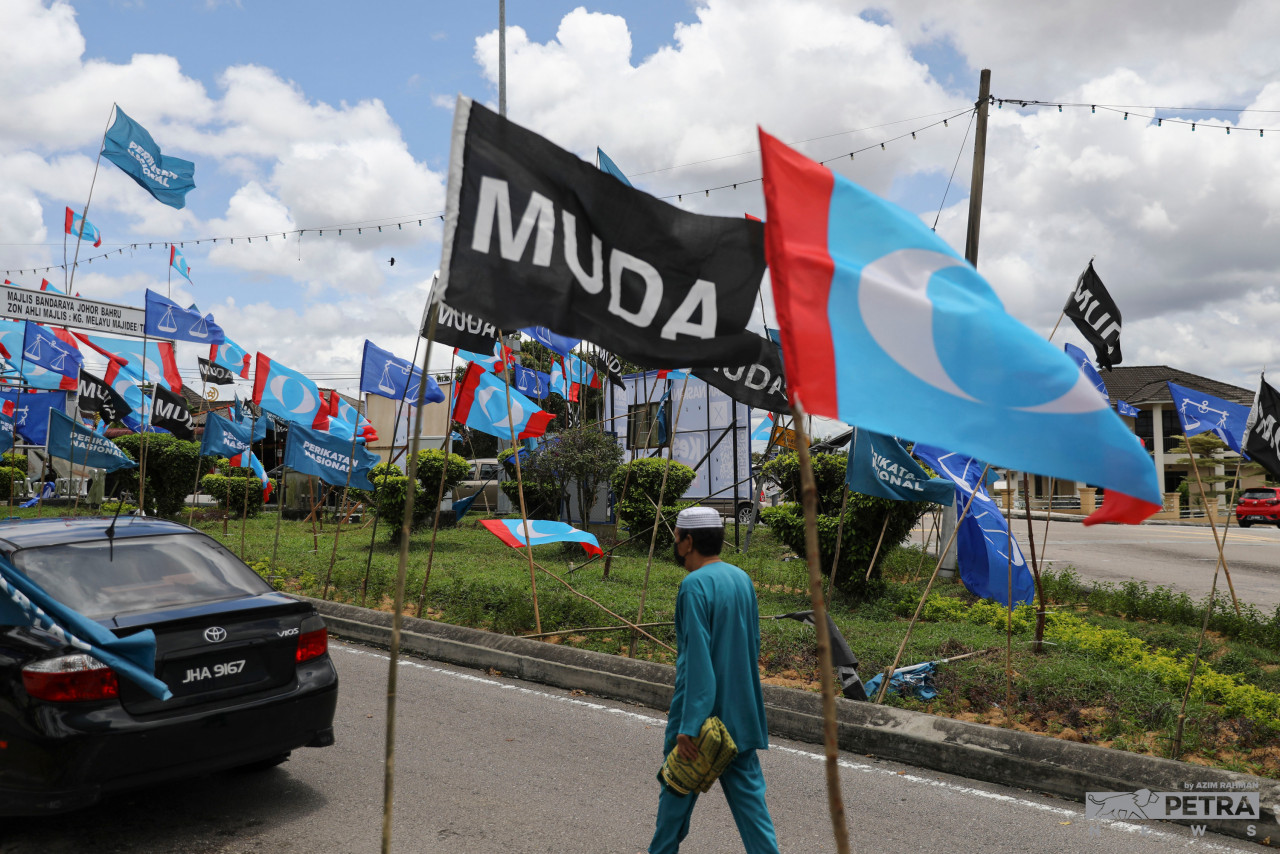
MUDA continues to target younger urban and professional voters seeking alternatives to traditional party politics, while the Orang Asli party is attempting to give indigenous communities a direct political platform after decades of relying on larger parties to champion issues such as customary land rights, education, healthcare and basic infrastructure.
Even if electoral success remains uncertain, their participation reflects a broader shift in Malaysia’s political landscape, where smaller parties increasingly seek to shape policy debates rather than merely support larger coalitions.
Political observers also point to the perception that the Johor palace has maintained a neutral stance throughout the campaign, a development many believe contributes to a healthier electoral environment by allowing voters to focus on policy, leadership and candidates rather than external influences.
Beyond party manoeuvring, analysts believe Johor’s growing bloc of young and first-time voters could ultimately determine the outcome in many marginal seats.
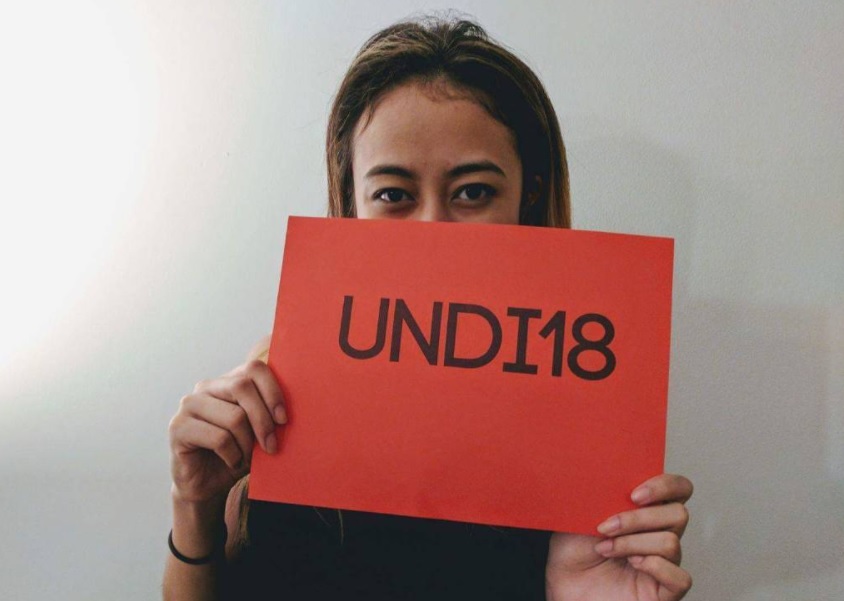
The implementation of Undi18 and automatic voter registration has significantly expanded the electorate, with official Election Commission figures showing more than 1.29 million registered voters are now below the age of 40.
The largest segment comprises voters aged between 30 and 39, numbering almost 588,000, followed by more than 544,000 voters aged between 21 and 29, while over 165,000 are aged between 18 and 20.
Political observers believe these younger voters, together with fence-sitters, are becoming increasingly influential because they are less tied to traditional party loyalties.
They said close contests are likely to be decided by voters who evaluate parties based on practical issues rather than political identity, making realistic manifestos and credible candidates more important than ever.
According to them, successful campaigns will require parties to combine effective digital outreach with strong grassroots operations, as social media alone is unlikely to deliver electoral victories.
While urban voters are generally more influenced by national narratives and online campaigning, they noted that rural constituencies continue to place greater weight on personal engagement and the strength of local party machinery.
They also identified the rising cost of living as the issue most likely to shape voting behaviour, arguing that parties offering convincing solutions on wages, employment, housing affordability and rising prices are more likely to resonate with undecided voters than those relying solely on political slogans.
As campaigning enters its final stretch, Johor’s election has evolved into far more than a contest between BN and PH.
It now features multiple political players, shifting alliances and an increasingly discerning electorate.
The outcome on July 11 is expected to provide early answers to several key questions: whether Umno still commands Johor’s political landscape, whether PH can broaden its support beyond urban centres, how much impact opposition vote-splitting will have, and whether smaller parties can emerge as kingmakers in closely fought seats.
Whatever the result, the Johor polls are widely expected to offer the clearest indication yet of the political alignments, campaign narratives and voter priorities that could define the battle for Putrajaya in GE16. – June 29, 2026




.jpeg)