A TOTAL of 42,848 dengue fever cases were reported nationwide as of yesterday, an increase of 34.8 per cent compared to 31,790 cases for the same period last year.
Up to 34 deaths were recorded, an increase of almost 79 per cent compared to 19 deaths last year.
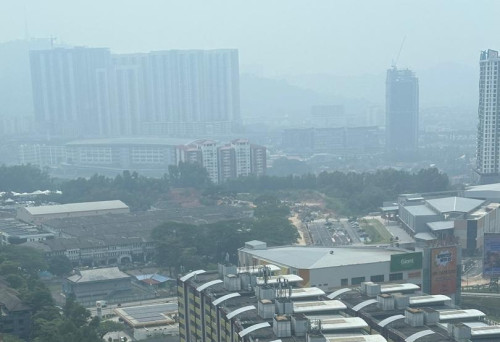
The Ministry of Health Malaysia (MOH) in a statement said that an increase in cases was detected in several areas, with Selangor, Kuala Lumpur and Putrajaya continuing to be the focus.
According to the MOH, epidemiological analysis showed that almost two-thirds or 63.5 per cent of all dengue fever cases in Malaysia were concentrated in these two areas.
“Selangor recorded 19,313 cases, an increase of 43.2 per cent compared to the same period last year, while Kuala Lumpur and Putrajaya recorded 7,909 cases, an increase of 83.8 per cent.
“In addition, an increase in cases was also recorded in Johor, Sabah, Negeri Sembilan, Perak, Sarawak, Perlis, Terengganu and the Federal Territory of Labuan,” the statement said.
MOH said the situation showed that the Klang Valley remained the main area of dengue fever transmission and required the implementation of more intensive and integrated control measures.
According to the ministry, although several states recorded a decrease in cases compared to the same period last year, all states cannot take it for granted because the dengue fever situation can change quickly depending on epidemiological, environmental and weather factors.
MOH explained that the current increase in cases is in line with the epidemiological pattern of the disease, which is usually cyclical, with most endemic countries facing an increase in cases or major outbreaks every three to five years.
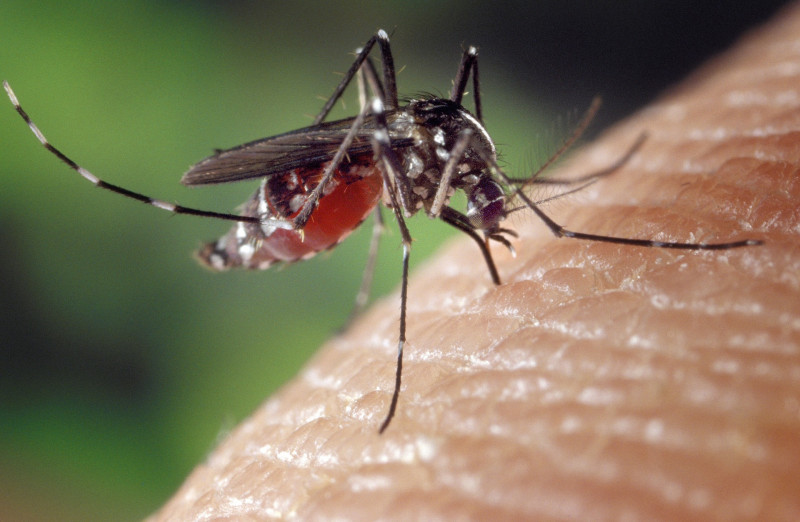
It said that among the factors contributing to the periodic increase were changes in the level of population immunity, the shift in dominance of dengue virus serotypes, weather conditions such as rainfall, temperature and humidity that promote the breeding of Aedes mosquitoes.
In addition, rapid urbanization, population movement, environmental conditions, the existence of former water reservoirs and the effectiveness of vector control activities and community involvement also affect the spread of the disease. – July 10, 2026