THE Public Accounts Committee (PAC) has called on the government to consider liberalising cooking oil prices through an open-market mechanism, saying the move could improve supply stability, reduce subsidy costs and encourage healthier competition among retailers.
PAC chairman Datuk Mas Ermieyati Samsudin said the government should study the feasibility of adopting a market-based pricing system, citing the successful implementation of floating mechanisms for chicken and egg prices as a possible reference.
"The government should study the feasibility of floating cooking oil prices in the open market, taking the successful implementation of the floating mechanism for chicken and egg prices as an example.
"This measure can ensure supply stability, reduce subsidy expenditure and stimulate healthy price competition at the retail level," she told a press conference at Parliament.
The recommendation was among eight proposals outlined in the PAC report on the Management of Cooking Oil Price Controls and Subsidies under the Ministry of Domestic Trade and Cost of Living (KPDN).
The report was prepared following 10 committee proceedings conducted between Aug 5 and Oct 15 last year after the Auditor-General’s Report 2/2025 found that the management of cooking oil price controls and subsidies was unsatisfactory.
Mas Ermieyati said the PAC discovered that the Cooking Oil Price Stabilisation Scheme (eCOSS) currently allocates 60,000 metric tonnes of subsidised cooking oil every month, despite estimated domestic demand ranging between only 19,000 and 30,000 metric tonnes.
She said KPDN should conduct a comprehensive review of the cooking oil supply chain and revise the monthly allocation quota to better reflect actual market needs.
"This step is important to prevent leakages and the wastage of public funds," she said.
The PAC also revealed that RM10.879 billion spent on cooking oil subsidies between 2019 and February this year had not fully benefited the intended recipients due to the absence of an effective targeted distribution mechanism.
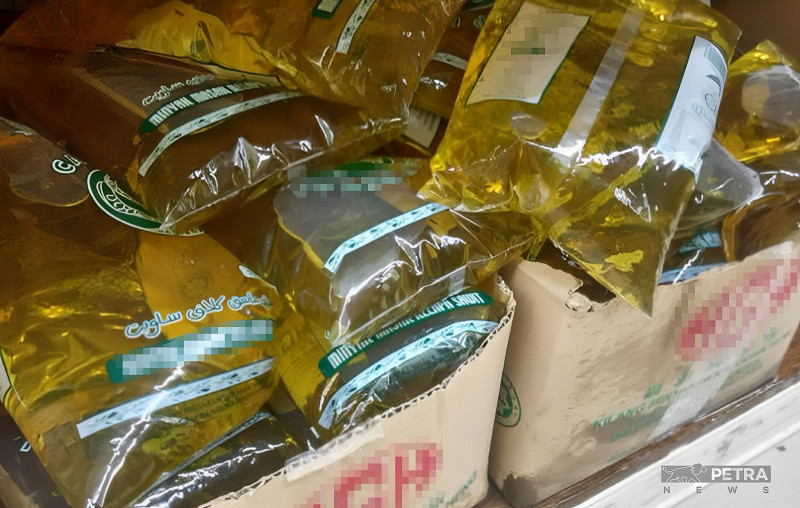
The committee found that subsidised one-kilogramme cooking oil packets were frequently purchased by ineligible groups, including foreign nationals and commercial operators.
To address the issue, the PAC recommended that the government accelerate the transition from blanket subsidies to a fully targeted digital subsidy system through the eCOSS platform.
The committee said a targeted approach would allow assistance to be channelled directly to eligible households while improving transparency, reducing leakages and strengthening fiscal management.
The latest recommendations come as the PAC continues to scrutinise government accountability and subsidy management. Earlier, the committee criticised the government’s response to its recommendations on Kuala Lumpur land development, saying explanations provided by key federal and city agencies remained unsatisfactory despite follow-up hearings.
Mas Ermieyati said the PAC would continue monitoring corrective measures to ensure greater transparency, stronger governance and improved accountability in the management of public resources. - July 16, 2026



.jpeg)