
THE prospect of a Barisan Nasional-Perikatan Nasional rapprochement has reignited old questions over political loyalty, with party insiders warning that past alliance shifts could make any new Malay political pact difficult to sustain.
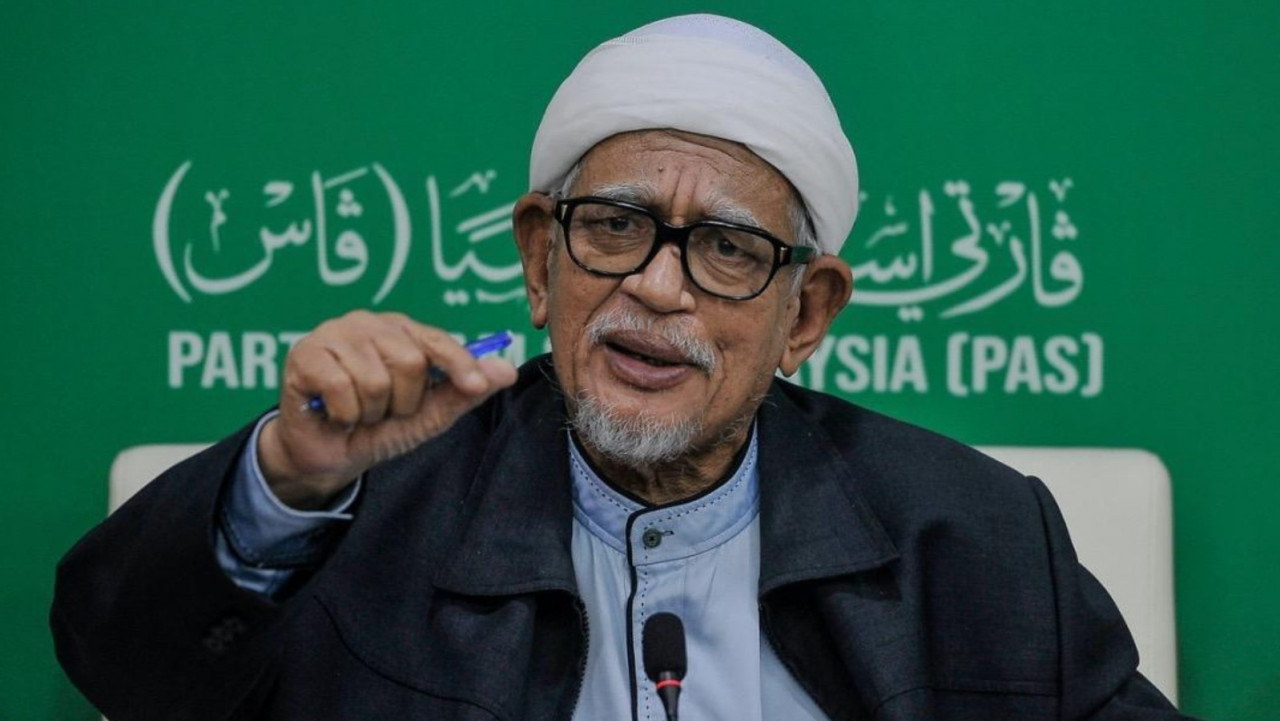
Sources within both camps said the uncertainty centres largely on PAS, whose journey over the past decade has seen the Islamist party move between different partners as the political landscape changed.
While the push for greater cooperation among Malay-based parties has been framed around unity and consolidation, insiders said some within the political circles remain sceptical, questioning whether such an arrangement would be built on shared principles or driven by electoral calculations.
The latest discussions between BN-PN have placed PAS in a familiar position — at the centre of competing political interests.
Sources said PAS’ willingness to explore closer ties with Umno has raised concerns among some within PN, particularly Bersatu, which has been the party’s key partner since the formation of the coalition ahead of the 15th General Election.
The development has also revived memories of PAS’ previous political realignments, which have seen the party work with — and later move away from — different political groupings.
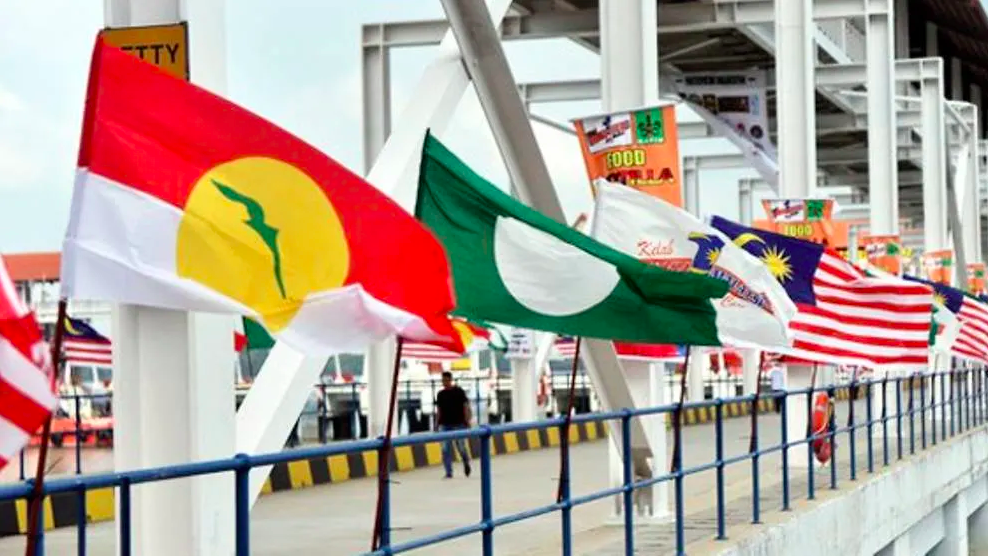
Before its current position within PN, PAS was part of Pakatan Rakyat alongside PKR and DAP, an opposition coalition that emerged as a major political force after the 2008 General Election.
However, the partnership collapsed in 2015 following deep disagreements between PAS and its coalition partners, particularly over policy direction and the future of the opposition pact.
PAS later moved closer to Umno, leading to the formation of Muafakat Nasional in 2019 — an alliance that sought to unite Malay-Muslim political support following BN’s defeat in the 14th General Election.
That cooperation, however, eventually unravelled as PAS shifted towards Bersatu and became a key component of PN.
Sources familiar with the political landscape said the latest engagement between PAS and Umno has once again raised questions over whether the party’s alliances are shaped more by long-term political strategy or changing circumstances.
One source said PAS’ political approach has always been influenced by the wider electoral environment, adding that the party has historically been willing to work with different partners when it believes such cooperation serves its interests.
The source said this has created both opportunities and uncertainty for its political partners.
For Umno, closer cooperation with PAS could offer a pathway to strengthen its position among Malay voters after years of electoral setbacks.
Sources within the party said rebuilding Malay support remains a key priority, particularly as Umno continues efforts to recover from its declining influence since losing federal power in 2018.
For PAS, renewed ties with Umno could provide an opportunity to expand its political reach beyond its current PN base while strengthening its position as a dominant Malay-Muslim political force.
However, sources said any attempt to revive cooperation between the two parties would not be straightforward, given years of rivalry and unresolved differences.
The relationship between Umno and PAS has repeatedly shifted between cooperation and confrontation, with both parties competing for influence among the same voter base.
The uncertainty has also placed Bersatu in a difficult position, with questions over whether PN can maintain its unity should PAS continue exploring closer cooperation with Umno.
Sources said while the idea of Malay unity remains politically appealing, voters have become increasingly cautious after witnessing multiple coalition changes over the years.
The challenge for any new political arrangement, they said, is not simply whether parties can combine their numbers, but whether they can convince supporters that the partnership is more than another temporary alliance formed around political survival.
As Malaysia enters another phase of political realignment, the latest BN-PAS discussions suggest that old alliances may be returning — but the question remains whether old doubts will follow them. – July 16, 2026