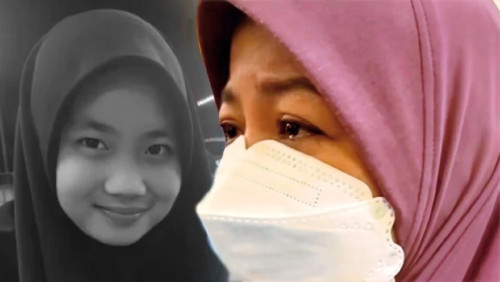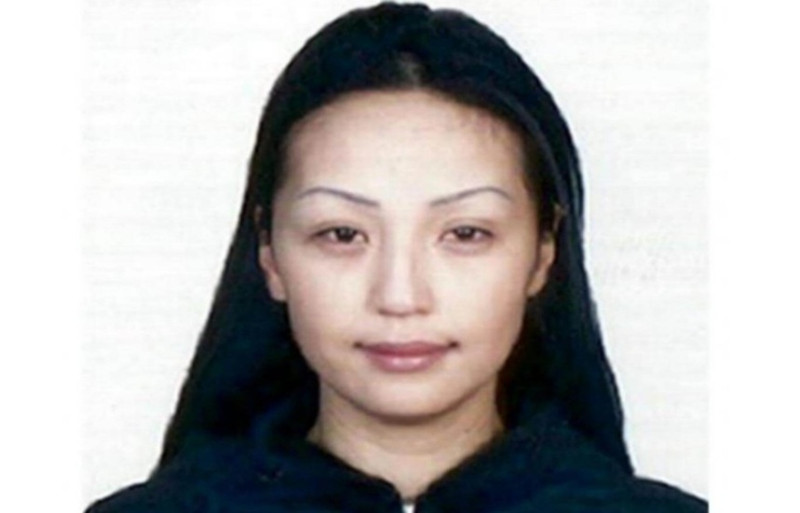
NEARLY two decades after Altantuya Shaariibuu was murdered, her family’s pursuit of justice has never been about financial compensation but about finding the truth and acknowledgement for a loss that continues to haunt them, says former Mongolian prime minister Gombojav Zandanshatar.
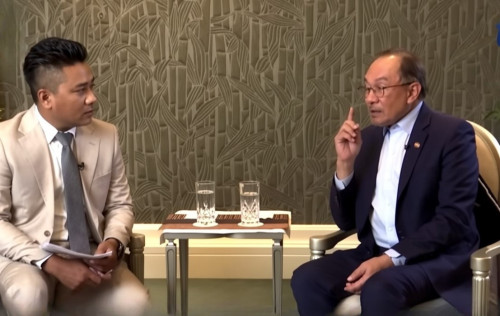
Speaking to The Vibes ahead of the Federal Court hearing on the family’s bid to appeal aspects of a civil suit over damages, Zandanshatar said Altantuya’s father, Shaariibuu Setev, had spent almost 20 years seeking answers through Malaysia’s legal system.
The former prime minister said the 76-year-old father’s persistence deserved recognition from both Mongolia and Malaysia, describing his decades-long struggle as a search for clarity over what happened to his daughter.
“For almost twenty years, Shaariibuu Setev has crossed borders, entered courtrooms and asked for a complete account of what happened to his daughter,” Zandanshatar told The Vibes.
“His perseverance deserves the respect of both Mongolia and Malaysia.”
The Federal Court is scheduled to hear on July 15 the family’s application for leave to appeal against parts of the Court of Appeal’s decision, including issues relating to damages and the Malaysian Government’s liability in the civil action.
Zandanshatar stressed that he respected the independence of Malaysia’s judiciary and was not seeking to influence the court’s decision.
“The hearing on 15 July is an application for leave to appeal. It is not yet the substantive appeal, and I fully respect the independence of Malaysia’s Federal Court. I do not seek to prejudge its decision.”
However, he said the proceedings remained an important moment for the family as they continued their legal pursuit.
“This is nevertheless an important stage because the family is asking Malaysia’s highest court to consider questions concerning damages and the responsibility of the state for the conduct of its officers.”
A case beyond compensation
Altantuya, a Mongolian national, was murdered in Malaysia in 2006, a case that has since gone through years of criminal and civil proceedings.
Two former police officers were convicted in 2009 before their convictions were overturned by the Court of Appeal in 2013. The Federal Court later reinstated the convictions in 2015.
In 2022, the Shah Alam High Court found four defendants in the civil suit liable and awarded RM5 million in damages.
In January 2026, the Court of Appeal upheld liability against the two former police officers and Abdul Razak Baginda, but discharged the Malaysian Government from liability and reduced the damages to approximately RM1.38 million.
The family has applied for leave to appeal those aspects of the decision.
For Zandanshatar, however, the significance of the case extends far beyond the amount of compensation awarded.
He said Shaariibuu had consistently maintained that the family’s fight was not about money, pointing to the return of funds held under a court arrangement following the Court of Appeal’s decision.
“What he continues to seek is truth, accountability and acknowledgement. He has spoken in particular about the importance of an apology.”
He said the case raised a broader question about whether families could obtain meaningful justice when a tragedy involved public authority and institutions.
“The case, therefore, represents far more than an amount of compensation. It asks whether a family can obtain an effective remedy when public authority, institutional trust and a grave wrong come together.”
“Compensation can recognise loss, but it cannot by itself answer every unresolved question or restore public trust.”
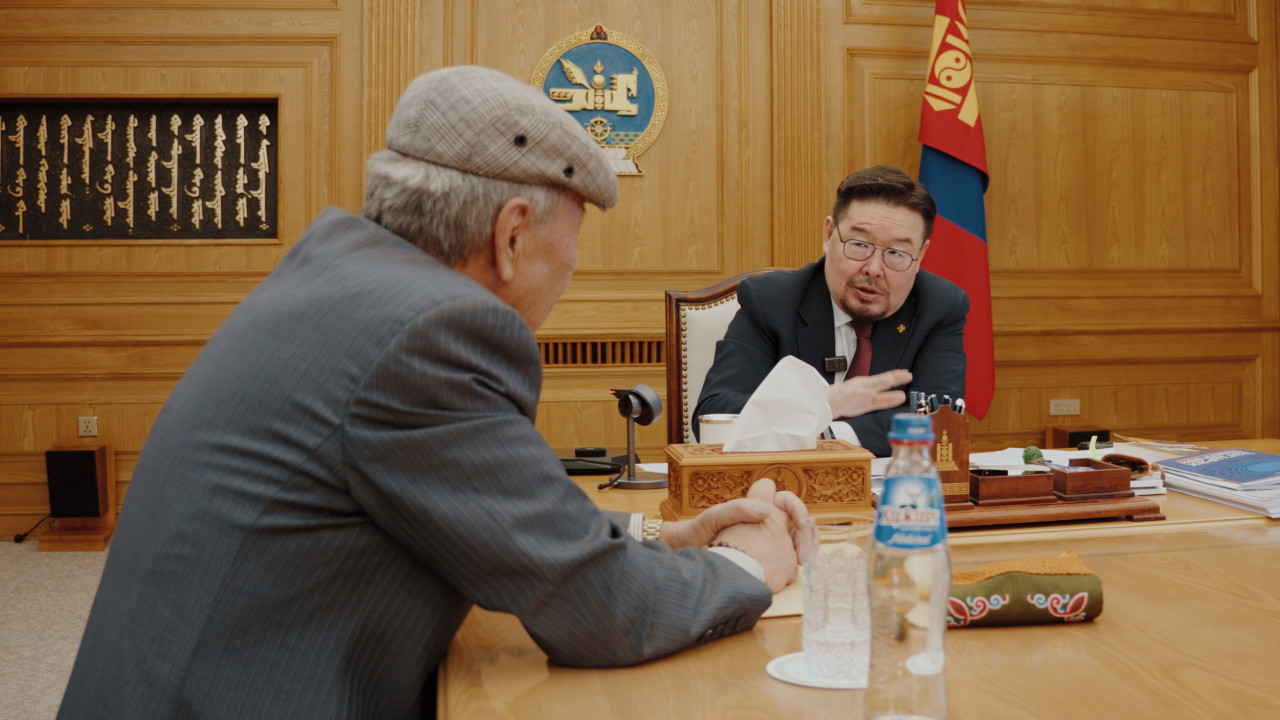
Mongolia remembers Altantuya
Zandanshatar said the case remained deeply significant in Mongolia because Altantuya was viewed as an ordinary citizen whose death had affected an entire nation.
He said the responsibility of a government was not limited to citizens with influence or status, but extended to every individual carrying its passport.
“A state exists to stand with every citizen, not only those with power or title.”
The former prime minister stressed that Mongolia’s concern over the case should not be interpreted as a dispute with Malaysia or its people.
Instead, he described it as a call for the legal process to run its full course.
“This is not a contest between Mongolia and Malaysia. It is a shared test of conscience and of confidence in the rule of law.”
Seeking truth after 20 years
Zandanshatar said justice for Altantuya’s family required three elements: truth, accountability and acknowledgement.
He said the criminal convictions had established who carried out the killing, but the family continued to seek a fuller understanding of the circumstances surrounding her death.
“The criminal convictions answered who carried out the killing, but the family has continued to seek a complete understanding of why it happened and whether responsibility extends further.”
He stressed that such questions should be addressed through evidence and legal processes rather than speculation.
“Those questions should be addressed through investigation and law, not speculation.”
After nearly two decades, Zandanshatar said the family’s search for answers remained a matter of human dignity.
“We remember Altantuya. We stand with her family. We respect Malaysia, and we respectfully ask that justice be allowed to run its full course.” – July 14, 2026