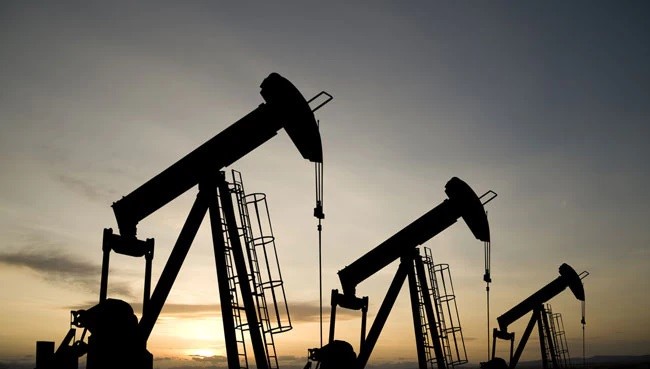
OIL prices held above US$83 a barrel on Friday after rebounding in the previous session, as intensifying fighting between Russia and Ukraine shifted market attention towards potential disruptions to Russian energy supplies.
Reports said Russian President Vladimir Putin had indicated that talks with Ukraine had produced no results and that Moscow was preparing to intensify its military campaign.
The escalation comes as Ukrainian strikes on Russian refineries and ports continue to disrupt the country's energy infrastructure, raising concerns that Russia's ability to export crude and refined petroleum products could be constrained.
Brent crude also remained above US$89 a barrel on Friday after recovering in the previous session.
Despite the renewed supply concerns, both benchmarks were on track to end the week lower as traders weighed signs of diplomatic progress in the Middle East against the potential for tighter Russian supplies.
Markets were also encouraged by indications of improving supply prospects through the Strait of Hormuz, a critical route for global oil shipments.
Iran's military said it had reached a revenue-sharing agreement with Oman over the strategic waterway, although Tehran stressed that the arrangement did not guarantee an immediate reopening of the strait.
The prospect of easing disruptions through Hormuz has helped offset some of the upward pressure on oil prices caused by geopolitical risks elsewhere.
Meanwhile, the US dollar index traded above 99 on Thursday after gaining in the previous session, supported by stronger-than-expected US economic data that reinforced expectations of a Federal Reserve interest-rate hike before the end of the year.
Over the past four weeks, the index has fallen 2.39%, although it remained 1.32% higher over the past 12 months.
Trading Economics' global macro models and analysts' projections put the Dollar Index at 98.612 by the end of the quarter and 97.071 in one year.
The personal consumption expenditures (PCE) price index rose 0.2% month on month in July, exceeding the 0.1% increase expected by economists and reversing a 0.1% decline in June.
Annual inflation accelerated to 3.7%, compared with expectations of 3.6%.
Investors were awaiting a speech by Federal Reserve Chair Kevin Warsh at the annual Jackson Hole symposium on Friday for further clues on the central bank's policy outlook, although he was not expected to provide a clear signal on the Fed's September decision.
Oil's decline in recent sessions, amid signs of diplomatic progress in the Middle East, has also helped ease concerns over near-term inflationary pressures.
Investors continued to assess the implications of the US Treasury's expanded debt buyback programme, alongside broader concerns over US fiscal risks.
The contrasting movements in oil and the dollar reflect a market still balancing geopolitical supply risks against expectations of easing tensions in the Middle East and shifting US monetary policy. - August 28, 2026