MALAYSIA is overhauling its approach to urban drainage, placing greater emphasis on nature-based solutions, digital technology and data-driven planning as cities face rising risks from climate change, rapid urbanisation and increasingly frequent extreme weather.
The Energy Transition and Water Transformation Ministry (PETRA) said conventional engineering approaches alone were no longer sufficient to address flash flood risks, with urban stormwater management needing to incorporate solutions that work with natural systems.
As part of the effort, PETRA, through the Department of Irrigation and Drainage Malaysia (JPS), is conducting a comprehensive review of the Urban Stormwater Management Manual (MSMA) to ensure it remains relevant to changing development patterns, climate risks, emerging technologies and more effective stormwater management practices.
The ministry said Malaysia already had a strong foundation through MSMA, which promotes the integration of natural approaches into urban planning and development.
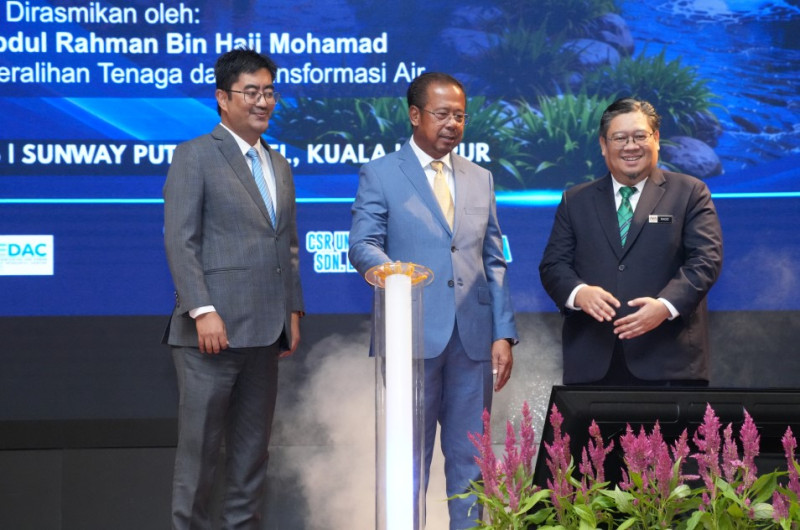
The review and broader shift in strategy are being highlighted at the four-day National Conference on Stormwater Management (SWaM) 2026, themed “Inspired by Nature, Engineered for Resilience”, which runs from Sept 1 to 4 at Sunway Putra Hotel in Kuala Lumpur.
The fifth edition of SWaM has brought together nearly 400 participants from government agencies, local authorities, professional institutions, academia and industry to discuss more sustainable approaches to managing flash floods and urban runoff.
The conference is organised by JPS and the Malaysian Stormwater Organisation (MSO), with the River Engineering and Urban Drainage Research Centre (REDAC) and The Institution of Engineers, Malaysia (IEM) as co-organisers.
It was officiated by Deputy PETRA Minister Datuk Seri Abdul Rahman Mohamad, representing Deputy Prime Minister II and PETRA Minister Datuk Seri Fadillah Yusof.
PETRA said SWaM provides a platform for strengthening knowledge-sharing, innovation and cooperation in urban stormwater management, particularly in addressing the growing challenges posed by climate change and rapid urban development.
The ministry said effective flash flood management required a broader approach integrating nature-based solutions (NbS), innovation, data and digital technology alongside engineering measures.
It said stronger collaboration between government agencies, local authorities, professional institutions, academia and industry was also essential to accelerate sustainable urban drainage management.
The effort is ultimately aimed at making Malaysian cities safer and more resilient while protecting the safety and wellbeing of communities as climate-related risks and urban pressures continue to grow.
This version gives the story a clearer policy hook: the MSMA review is the tangible government action, while the conference provides the wider context. - September 2, 2026