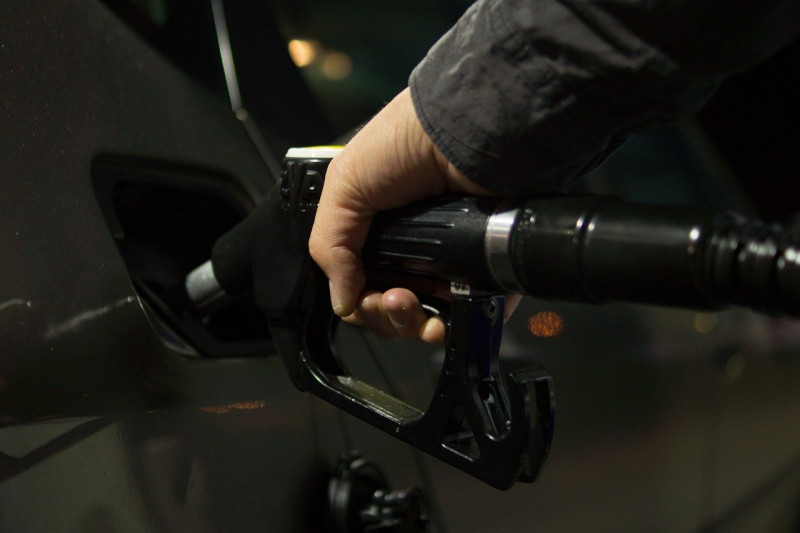
THE retail prices of RON97, unsubsidised RON95 and unsubsidised diesel will each rise by 35 sen a litre from Thursday as escalating conflict in West Asia drives global crude and refined petroleum prices higher.
Based on the Automatic Pricing Mechanism (APM), RON97 will rise to RM4.85 a litre from RM4.50, unsubsidised RON95 to RM4.37 from RM4.02, and unsubsidised diesel to RM5.27 from RM4.92 for the Sept 17-23 period.
The Ministry of Finance (MOF), in a statement on Wednesday, said eligible BUDI MADANI recipients will remain protected from the increase through targeted fuel subsidies.
BUDI MADANI RON95 (BUDI95) recipients will continue to pay RM1.99 a litre, with the government absorbing RM2.38 a litre, or 54% of the unsubsidised price.
BUDI MADANI Diesel (BUDI Diesel) recipients will continue to pay RM2.10 a litre, with the government absorbing RM3.17 a litre, equivalent to 60% of the unsubsidised price.
Diesel under the Subsidised Diesel Control System (SKDS) remains at RM2.05 a litre, while petrol under the Subsidised Petrol Control System (SKPS) remains at RM2.15.
Eligible Malaysians can continue buying subsidised RON95 and diesel using their MyKad, subject to their monthly entitlement.
The basic monthly entitlement under BUDI95 and BUDI Diesel was raised to 300 litres from Sept 1, while eligible owners of diesel-powered pickup trucks and four-wheel-drive vehicles receive an additional 100 litres, bringing their entitlement to up to 400 litres a month.
MOF said the increase came as the West Asia conflict entered its 200th day, with Iran attacking 10 vessels near the Strait of Hormuz in response to US strikes on five Iranian tankers. The conflict has also spread to Yemen and Saudi Arabia's energy infrastructure, while vessel traffic through the Strait of Hormuz has fallen to single-digit levels amid intensified attacks.
The situation was further aggravated by drone attacks that temporarily halted operations on Saudi Arabia's East-West pipeline, one of the main routes for transporting oil while bypassing the Strait of Hormuz.
The developments pushed Brent crude above US$100 a barrel and close to US$110 during the APM calculation period, the ministry said.
Refining margins also remained elevated following disruptions to refining capacity in Russia, with constraints on crude supplies and refining capacity limiting output of refined petroleum products and putting further pressure on global prices.
The ministry said heightened tensions in West Asia and the Russia-Ukraine conflict could prolong petroleum price volatility. - September 16, 2026