By Murray Hunter
MOST pundits believe that PAS and UMNO will gain most of the seats in the peninsula in the coming general election, and negotiate to form a new coalition government with the Borneo-based parties. PAS could improve upon its position of 43 seats in the current parliament and rise above 50 seats.
UMNO and its Barisan Nasional component parties could win somewhere around 40 seats, while the other 35 seats will be won by the Pakatan Harapan parties.
Consequently, the new federal government will be another coalition like it was after GE15.
The only question here is whether the prime minister would come from PAS, UMNO, or someone as a compromise?
However, this analysis ignores the fact that there are three other declared players planning to contest in the peninsula in the coming general election.
These new parties can be considered ‘wild cards’ as no one can be sure of how they will perform at this period of time before the general election due by January 2028.
A summary of their prospects is below.
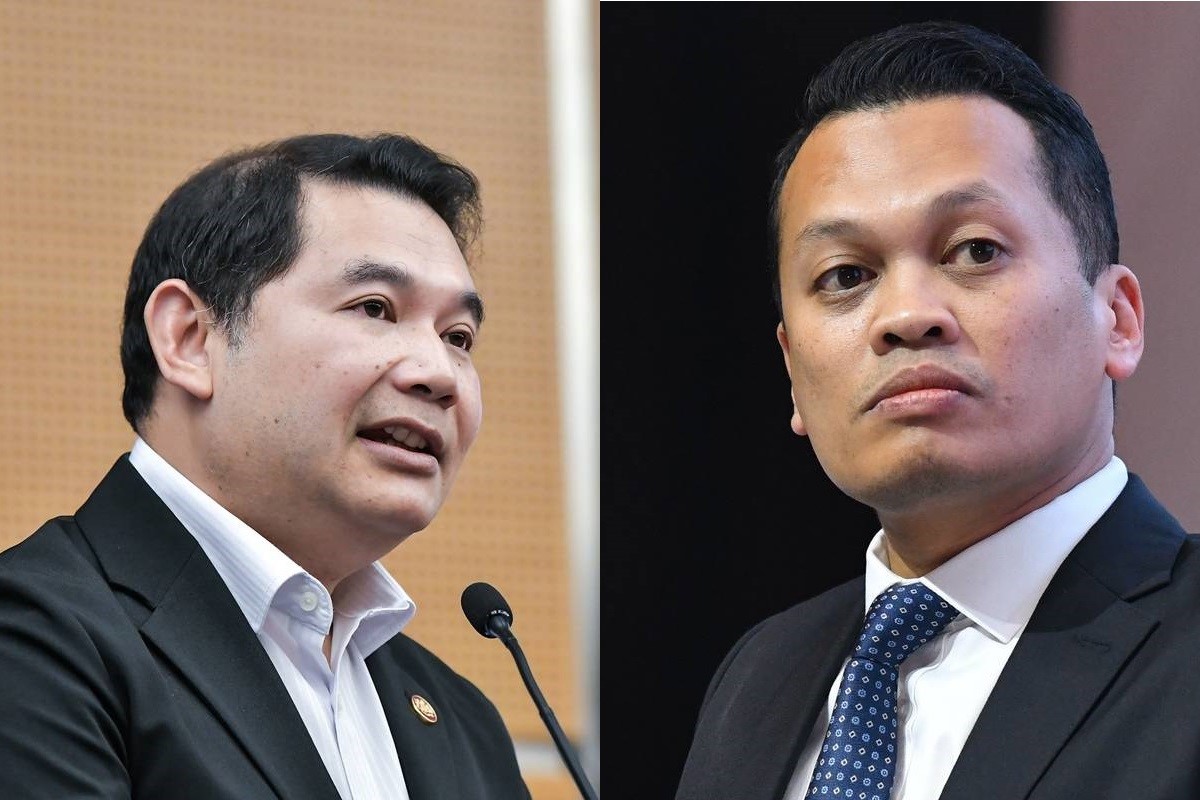
Parti Bersama Malaysia, taken over by former ministers Datuk Seri Rafizi Ramli and Nik Nazmi Nik Ahmad in May 2026 after they quit PKR, positions itself as an independent multiracial reform force.
It rejects coalitions with PH, BN or PN, aiming to contest 10–20 parliamentary seats in GE16, mainly urban and mixed constituencies in Selangor, the Federal Territories and similar areas.
The party frames its mission as long-term structural change to focus upon issues like the cost of living, institutional reform and generational renewal, rather than seeking immediate power.
Membership grew quickly past 20,000, with leaders claiming most new members have no PKR background.
Early tests in state elections, including seats in Johor, served as low-stakes practice.
Analysts remain cautious. Malaysia’s first-past-the-post system favours established blocs, making breakthroughs difficult for newcomers.
Bersama could split progressive and non-Malay votes that traditionally back PH, potentially handing advantages to Perikatan Nasional in mixed seats.
Its strengths lie in Rafizi’s recognition and appeal to reform-minded, disillusioned voters.
Weaknesses include limited grassroots machinery and the risk of being dismissed as a vehicle for sore losers.
Expectations for GE16 are modest, with Bersama maybe gaining a handful of seats at best, or strong vote shares without wins, enough to establish a pressure-group foothold for GE17.
In a fragmented landscape, Bersama may disrupt more than it decides.
Parti Bangsa Malaysia (PBM), the Sarawak-based party led by Julau MP Larry Sng, remains a minor player with just one parliamentary seat.
In August 2026, former DAP veteran Ronnie Liu joined after a three-year hiatus, was tasked with building the party’s presence in Peninsular Malaysia and later appointed information chief.
Liu, a two-term Selangor assemblyman and former executive councillor with 41 years in the DAP, frames PBM as a non-racial, non-theocratic platform anchored in the ambitions of the Rukun Negara.
He aims for the party to become a “critical minority” capable of influencing government formation, openly targeting 35–40 seats in GE16 to avoid being dismissed as a mere vote-splitter.
The party stays open to electoral pacts rather than rigid coalitions.
Analysts remain unconvinced. PBM has long been viewed as a one-man show centred on Sng.
Earlier peninsula forays, including Datuk Zuraida Kamaruddin’s failed Ampang bid in 2022, produced heavy losses.
Liu’s experience and networks bring media attention and some grassroots potential in non-Malay urban seats across Selangor, Johor, Penang and the Federal Territories, but the party lacks established machinery outside Sarawak.
In a potentially fragmented GE16 landscape, PBM could nibble at progressive and Chinese votes traditionally aligned with DAP or other smaller parties.
Yet converting that into meaningful seats will be difficult under first-past-the-post rules.
Realistic expectations point to modest gains at best, perhaps a handful of seats if alliances materialise, rather than the ambitious 35–40 target.
Liu’s arrival adds credibility, but PBM still faces an uphill climb to become more than a peripheral force.
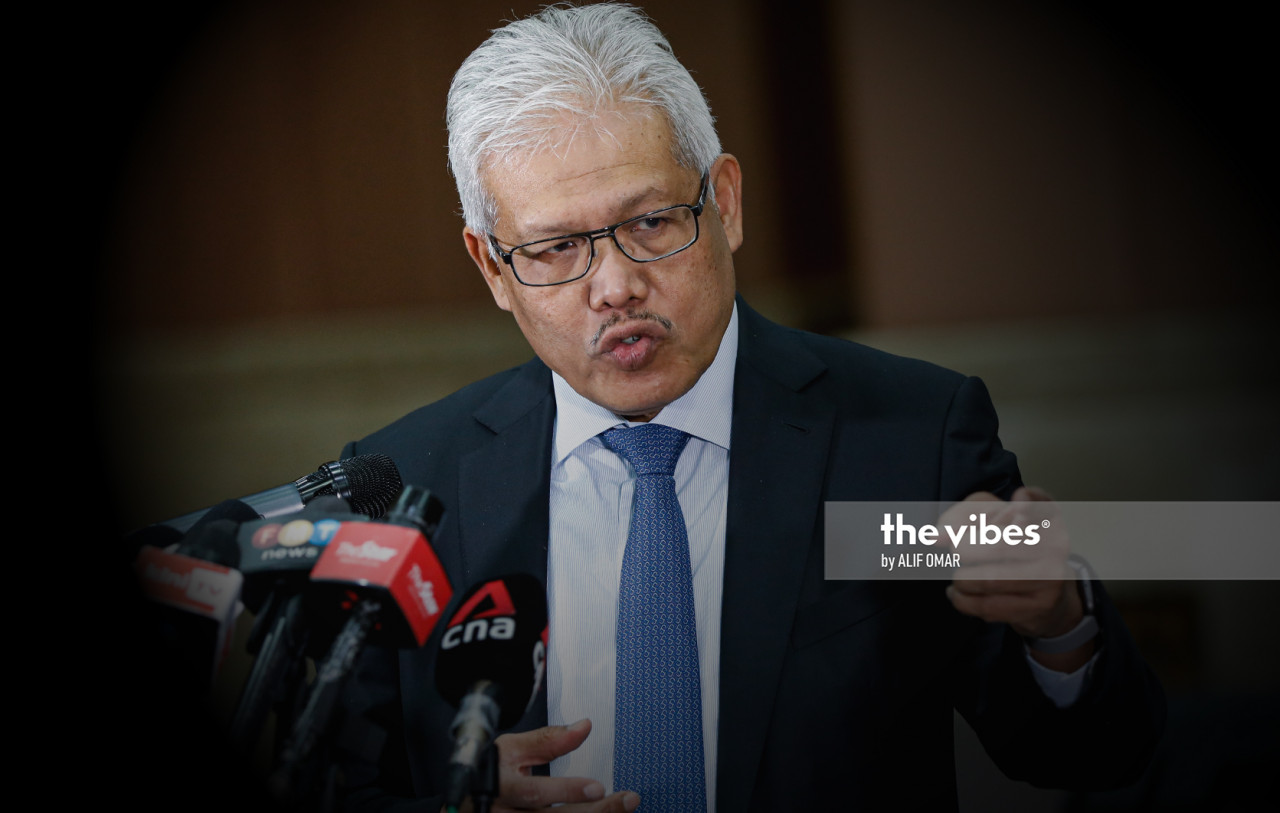
Parti Wawasan Negara (Wawasan), launched in June 2026 by former Bersatu deputy president Datuk Seri Hamzah Zainudin and the Reset faction after their sacking, is a rebranded vehicle (formerly Parti Cinta Malaysia).
Hamzah serves as president and Opposition Leader, with Rais Yatim as chairman.
The name was suggested by PAS president Tan Sri Abdul Hadi Awang, signalling close ties.
Wawasan sits within Perikatan Nasional and positions itself as a moderate Malay nationalist “bridge”, which may be more acceptable to professionals and non-hardline voters than pure PAS or the residual Bersatu.
It currently holds a small bloc of MPs (around half a dozen formal, plus aligned figures) drawn largely from ex-Bersatu ranks.
Early performance has been conservative. The party sat out the Johor state polls but contested a handful of seats under the PN logo in Negeri Sembilan and secured several wins.
Hamzah emphasises consensus-building and openness to wider Malay cooperation, including potential understandings with UMNO.
GE16 prospects hinge almost entirely on PAS.
Strong PAS seat allocation and joint campaigning could let Wawasan claim a meaningful share of Malay-majority seats and act as a kingmaker or bridge to a broader Malay bloc.
If PAS prioritises a direct deal with UMNO or treats Wawasan as a junior partner, its ceiling drops sharply.
Analysts see it as a useful moderate face for PAS but warn it remains personality-driven and organisationally thin outside its core MPs.
In a fragmented landscape, Wawasan is unlikely to surge independently.
Its relevance will rise or fall with the depth of PAS support and whether it successfully brokers wider Malay unity, or ends up as a secondary player in an already crowded opposition field.
The poor performance of past ‘wild cards’
There has long been talk about a ‘third force’ emerging in Malaysian politics. However, Malaysia’s political landscape is littered with the remains of hopeful start-ups that never quite took off.
Parti Sosialis Malaysia (PSM) has contested election after election with principled messaging yet rarely converts idealism into seats, often losing deposits.
MUDA arrived with youthful energy and reformist branding under Syed Saddiq, secured a single parliamentary foothold in 2022, and has since struggled to expand beyond its core appeal.

Datuk Seri Shafie Apdal’s Warisan, dominant in parts of Sabah, tried to project itself onto the peninsula and met with dismal results, underscoring how difficult it is for regionally rooted parties to break into Peninsular voting patterns.
These precedents hang over the current crop of new players.
Whether Bersama and Parti Bangsa Malaysia choose cooperation or competition will shape the progressive and multiracial vote, while UMNO appears determined either to marginalise Wawasan or absorb it under its influence.
Such dynamics will matter. Even if the smaller parties meet their more ambitious targets, they are most likely to play only a minor supporting role in any future government if numbers are required. Wawasan, despite its PAS-linked positioning, remains the least likely of the group to hold decisive leverage.
However, with a hung parliament and the YDPA playing a role, unexpected coalitions can be formed, surprising everyone. – September 28, 2026




.jpeg)