Murray Hunter
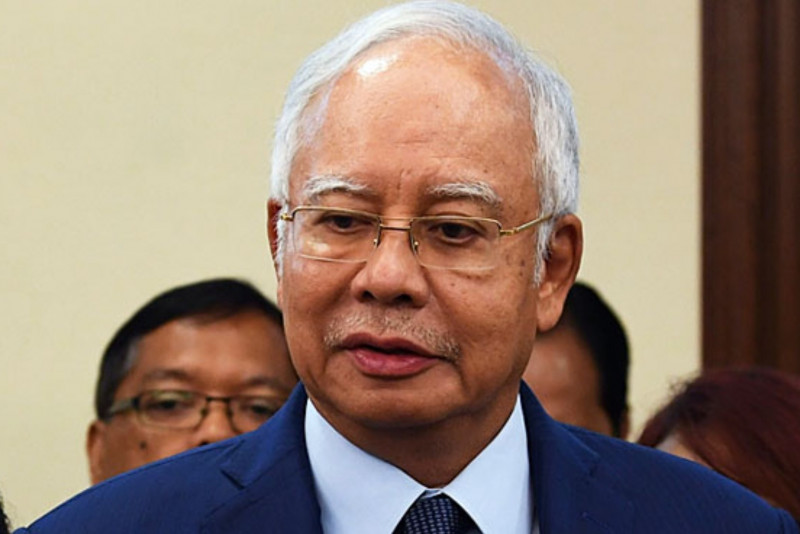
ON Friday, 6 November 2026, UMNO lawyers settled former prime minister Datuk Seri Najib Razak’s RM50 million fine at the Kuala Lumpur High Court.
The payment fulfilled a key condition of the conditional royal pardon granted on 18 September 2026 by Yang di-Pertuan Agong Sultan Ibrahim Sultan Iskandar.
That decision allowed Najib, 73, to serve the remainder of his reduced six-year sentence in the SRC International case under house arrest at his Langgak Duta residence until 23 August 2028.
A High Court order followed, and Najib was driven from Kajang Prison in a convoy. Reports indicated the convoy stopped for a scheduled dental or medical examination at Kuala Lumpur Hospital before returning him to the prison that evening around 7.15 pm.
The Attorney-General’s Chambers (AGC) had, later that day, called for the house arrest to be temporarily suspended pending clarification on the legal interpretation of the conditional pardon and the court order, particularly its interaction with Najib’s separate 15-year concurrent sentence imposed in December 2025 in the main 1MDB case.
The AGC’s intervention triggered an immediate political storm inside the unity (Madani) government and beyond.
Prime Minister Datuk Seri Anwar Ibrahim stated he personally disagreed with UMNO’s decision to crowdfund and pay the fine through the Najib Razak Solidarity Fund (launched on 18 September).
“While we maintain a spirit of friendship with Najib, it should not give the impression that corruption involving billions of ringgit can simply be overlooked,” he said after Friday prayers, while acknowledging it was UMNO’s prerogative and that the government respected the legal process and the Yang di-Pertuan Agong’s constitutional powers under Article 42.
Anwar has previously denied facilitating or concealing documents related to the pardon process.
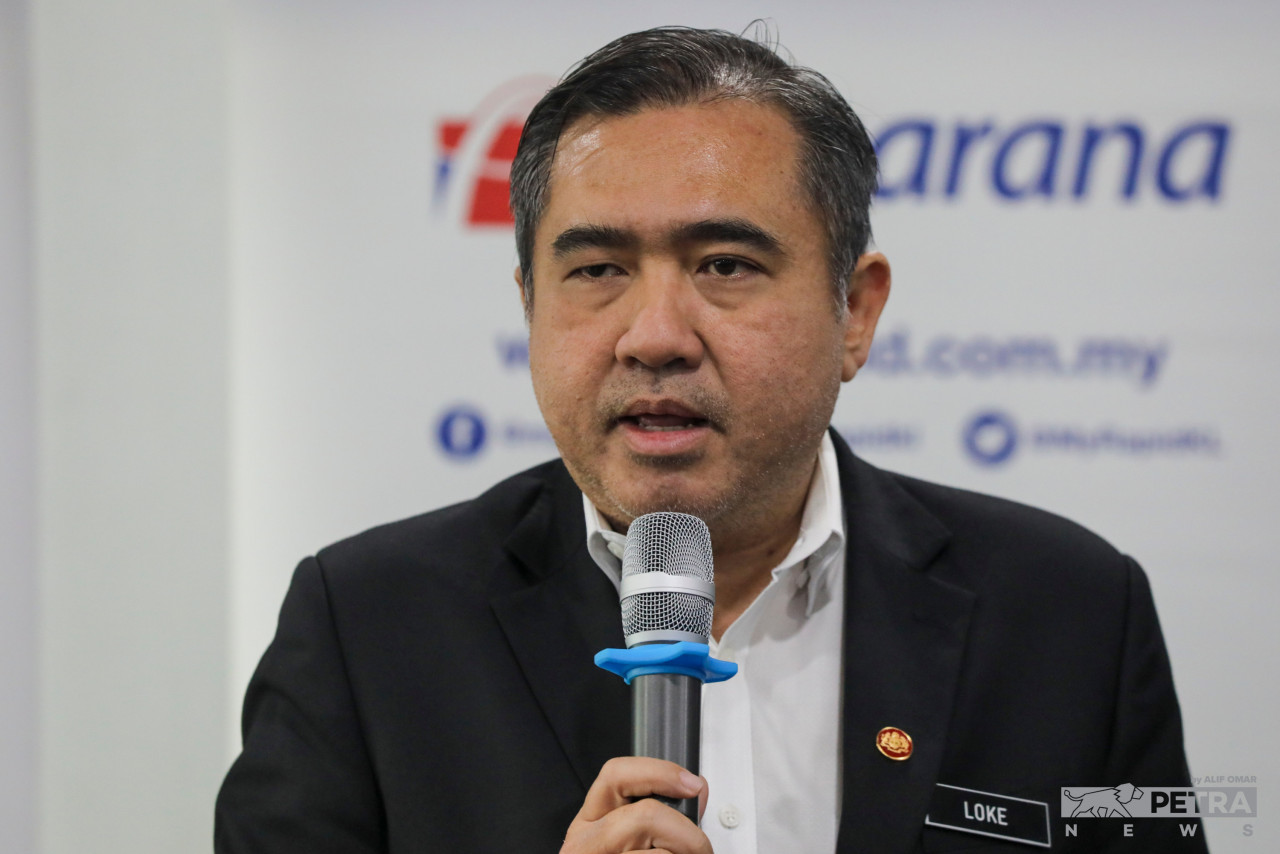
DAP secretary-general and Transport Minister Anthony Loke reiterated the September pledge that his resignation from the Cabinet would take effect the moment Najib set foot in his home.
Informed by Home Minister Datuk Seri Saifuddin Nasution that Najib had not yet been allowed home and had been taken for a dental check, Loke maintained the position while emphasising respect for the King’s prerogative.
DAP figures had earlier sought declassification of Pardons Board minutes.
Former DAP MP Tony Pua called on Bank Negara Malaysia and the Malaysian Anti-Corruption Commission to audit the sources of the RM50 million raised, arguing the funds should have aided ordinary Malaysians rather than securing house arrest for someone convicted in the 1MDB scandal, and raising concerns about possible money laundering.
UMNO’s information chief and Law and Institutional Reform Minister Datuk Seri Azalina Othman Said questioned why the AGC raised legal issues only after the fine was paid and a court order issued, noting the Attorney-General had attended the Pardons Board meeting.
UMNO demanded immediate implementation and respect for the royal decree.
On 7 November, UMNO Youth chief Dr Akmal Saleh announced that UMNO and PAS youth wings would file nationwide police reports against the Attorney-General, alleging abuse of power in delaying the order.
That same day, Istana Negara issued a clear statement from Sultan Ibrahim: the conditional pardon order was “clear, explicit and without any ambiguity,” unrelated to other cases, and all conditions had been met.
Challenging it would amount to defying the royal decree.
The King stressed that the power of pardon under Article 42 is a royal prerogative that must be respected under the constitutional monarchy and the rule of law.
The Attorney-General and Federal Territories Minister had attended the relevant meeting.
These events unfolded in the middle of the Melaka state election campaign.
Early voting is scheduled for 10 November, and polling day is 14 November.
Barisan Nasional (with a Perikatan Nasional pact) is defending the state against Pakatan Harapan, with cost-of-living and governance issues central to manifestos.
The Najib controversy risks polarising Malay voters, where perceptions of deference to the monarchy carry weight, and could strain the already delicate PH-UMNO unity arrangement.
In the larger context is the 1MDB scandal. Najib was convicted in the SRC case (linked to the fund) of abuse of power, criminal breach of trust and money laundering involving RM42 million; the Federal Court upheld a 12-year sentence and RM210 million fine in 2022.
In early 2024, the previous Yang di-Pertuan Agong halved the term to six years and reduced the fine to RM50 million.
A subsequent “addendum” claim for house arrest was litigated and not enforced by the courts.
In December 2025, he received a concurrent 15-year sentence (plus a massive fine) in the main 1MDB trial, where that term is due to begin after the SRC sentence ends.
He has consistently denied wrongdoing and is appealing.

Comparisons to Anwar Ibrahim’s full royal pardon in May 2018 are inevitable but imperfect.
Anwar’s was a full pardon after political change and was upheld as non-justiciable when properly processed through the Pardons Board.
Najib’s is a conditional arrangement limited to the SRC sentence, with remaining legal exposure on the larger 1MDB conviction. Supporters of both men have long invoked the constitutional right to seek clemency, while critics are distinguishing the scale of the offences and the political circumstances.
These events are exposing real tensions. The AGC frames its position as seeking necessary legal clarity before implementing an unprecedented arrangement, not as challenging the King.
The palace and UMNO treat any delay as defiance of a clear royal command once conditions are met.
DAP and some PH voices prioritise the signal sent about accountability for grand corruption.
Anwar’s public disagreement with the payment while affirming constitutional process reflects the tightrope of leading a coalition that includes both Najib’s former party and its long-time opponents.
Whether this breaks Madani depends on the resolution in the coming days. Immediate compliance with the King’s latest statement could blunt accusations of defying the monarchy but deepen internal PH discomfort and questions about selective accountability.
Prolonged legal process or resistance risks reinforcing perceptions of a rift between the executive and the palace, with potential electoral costs in Melaka and longer-term strain on the unity government.
UMNO’s post-election posture will be watched closely.
Malaysians are once again debating the living meaning of Article 42, the boundaries of royal prerogative, judicial independence, and the balance between rule of law and constitutional monarchy.
The outcome for Najib’s immediate custody is only the most visible part of a larger test of institutional coherence. – November 8, 2026