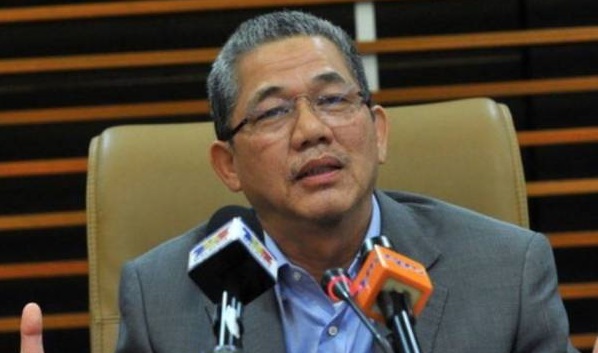
MALAYSIA must strengthen its arbitration and alternative dispute resolution (ADR) framework alongside physical and digital infrastructure development to sustain investor confidence and ensure major projects are delivered efficiently, Deputy Prime Minister Datuk Seri Fadillah Yusof said today.
He said an effective dispute resolution system was part of the country’s economic infrastructure, particularly as Malaysia attracts investment in infrastructure, energy, technology and advanced industries.
“Investors need more than sound policies and commercial opportunities. They need confidence that disputes will be handled fairly, efficiently and predictably, especially across borders,” he said when opening the AIAC Asia ADR Week 2026 conference in Kuala Lumpur today.
Fadillah, who also holds the Energy Transition and Water Transformation (PETRA) portfolio, said the government’s priorities under Budget 2027, including economic resilience, infrastructure development, investment and institutional reform, would generate more projects, contracts and commercial activity, increasing the need for effective dispute resolution.
He said Malaysia was strengthening its national electricity grid, expanding renewable energy capacity and improving water security and flood mitigation infrastructure, all of which involved complex contractual arrangements and multiple stakeholders.
“Effective ways of managing conflict are key to keeping them on track, before disputes can disrupt delivery,” he said.
Fadillah also called on the Asian International Arbitration Centre (AIAC) to continue strengthening the Construction Industry Payment and Adjudication Act 2012 (CIPAA), which he had moved during his time in Parliament, to ensure it remained effective for Malaysia’s construction sector and could serve as a model for other jurisdictions.
He said the growing complexity and technical demands of the construction industry made it necessary to improve adjudicator competency, procedural efficiency and confidence in the statutory adjudication framework.
The AIAC had launched its Suite of Rules 2026 a year ago, alongside three pieces of legislation related to alternative dispute resolution, he said, adding that rules and laws must be supported by transparent governance, impartial decision-making and professional excellence.
“Neutrality, independence and integrity remain our foundations,” he said.
Fadillah also highlighted progress towards establishing an AIAC branch office in Sarawak, with an agreement scheduled to be signed on Oct 19 in the presence of Sarawak Premier Abang Johari Openg and Minister in the Prime Minister’s Department (Law and Institutional Reform) Datuk Seri Azalina Othman Said.
He said the office would bring institutional dispute resolution closer to businesses, industries and communities in Sarawak and the wider Borneo region.
He also encouraged stronger cooperation between the AIAC, the Borneo International Centre for Arbitration and Mediation, the Sarawak Institute of Alternative Dispute Resolution and other professional bodies to expand awareness and access to ADR.
As the AIAC approaches its 50th anniversary in 2028, Fadillah said the centre should focus on strengthening institutional resilience, international recognition, facilities and investment in its people.
He said Malaysia had a responsibility to preserve and develop an institution serving not only the country but also the wider Asian-African community and the international dispute resolution sector.
“Let us build a Malaysia, and an Asia, where every dispute finds a fair, swift and trusted path to resolution,” he said. - October 14, 2026