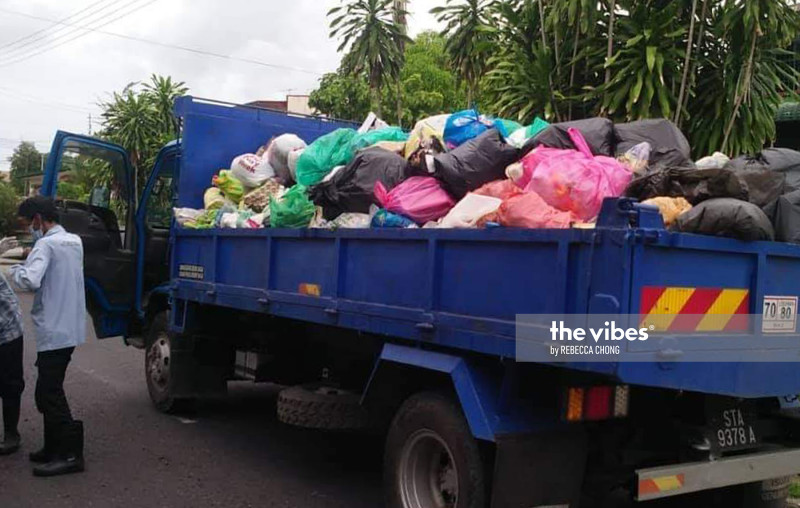
MALAYSIA'S growing waste problem is costing more than RM2 billion annually to manage, with food waste alone accounting for almost half of the 14.5 million tonnes of municipal solid waste generated in 2024.
The expenditure translates into an average of more than RM5.48 million daily, while the country's waste generation stands at approximately 39,700 tonnes a day, placing a substantial burden on collection, transportation, treatment and disposal operations.
Food waste was the largest component, making up 44.5 per cent or an estimated 6.45 million tonnes annually, equivalent to nearly 17,700 tonnes daily.
Plastic waste accounted for another 13.2 per cent, or approximately 1.91 million tonnes annually, translating into about 5,240 tonnes a day.
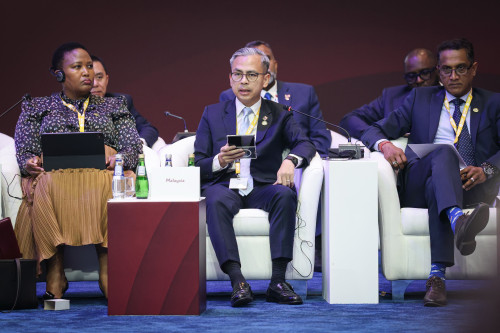
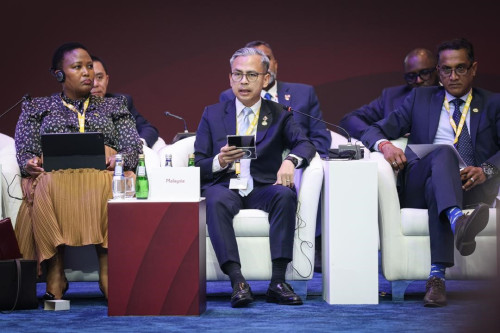
Housing and Local Government (KPKT) Minister Nga Kor Ming disclosed the figures in his keynote address, themed "Closing the Loop: Malaysia's Journey Towards Zero Waste", at the Malaysian Pavilion during the 31st United Nations Climate Change Conference (COP31) in Antalya, Türkiye.
"At the same time, more than RM2 billion is spent annually on waste management," he said.
To address the challenge, Nga proposed three measures to accelerate Malaysia's transition towards a circular economy, including making Digital Material Passports mandatory to track the composition, life cycle and potential reuse of materials.
The system would allow cities to function as "material banks", enabling valuable resources such as lithium, copper and critical minerals to be recovered from discarded products and infrastructure instead of ending up in landfills.
He also proposed replacing conventional disposal fees with Performance-Based Circularity Grants and Local Authority Transition Bonds, linking financial incentives to recycling rates, reductions in landfill waste and methane emissions.
Nga said the experience of implementing the Traffic Light System across all 156 local authorities could also be used to encourage investment in recycling facilities, decentralised biodigesters, composting and sustainable waste management solutions.
The Solid Waste Circular Economy Blueprint in Malaysia 2025-2035 targets a recycling rate of 40 per cent and the diversion of 53 per cent of waste away from landfills by 2035.
The targets are aimed at reducing dependence on landfill disposal while shifting waste management towards resource recovery and a more sustainable circular economy. - November 11, 2026