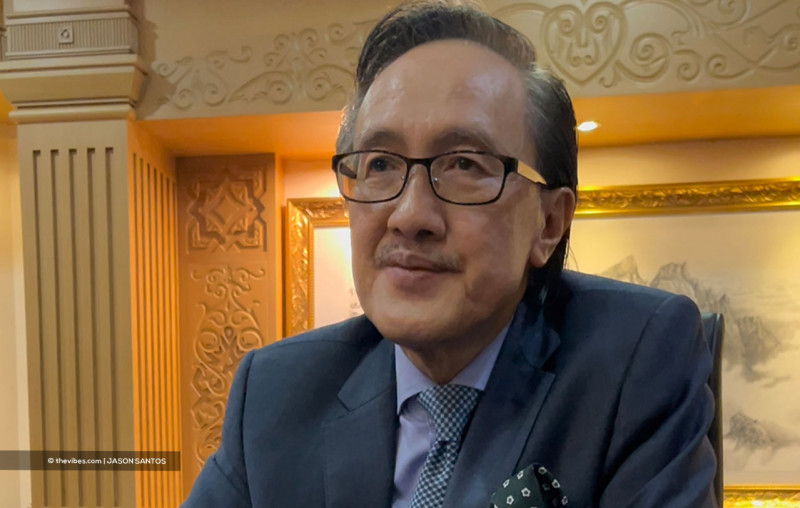
THE migration of younger generations to cities and overseas is putting Sabah’s traditional family-based elderly care system under growing strain, leaving ageing parents and grandparents with fewer relatives to look after them.
Deputy Chief Minister II Datuk Seri Masidi Manjun said changing family structures and increasing household responsibilities meant elderly care could no longer rely solely on family members, but required stronger government support, trained caregivers and community involvement.
“The love is still there. But the old system that has long supported it is gradually eroding.
“Love alone is not always enough. Good care also requires time, knowledge, patience and sometimes professional assistance,” he said.
Masidi, who is also Sabah Finance Minister, was speaking at the Viva! CareFest 2026 gala dinner before launching the Sabah Care Support Association (PSPS) at the International Technology and Commercial Centre (ITCC) in Penampang last Friday.
Recalling his childhood in Ranau, he said caring for the elderly was once a shared responsibility, with relatives and neighbours stepping in whenever someone fell ill.
However, the traditional spirit of gotong-royong and mitatabang was facing challenges as younger Sabahans moved to Kota Kinabalu, Kuala Lumpur and overseas in search of better employment opportunities.
Masidi said Malaysia had recognised the challenges of an ageing population through its first National Policy for Older Persons in 1995, but that awareness needed to translate into practical support, particularly for rural communities.
He said the government had a responsibility to provide policies, services, training and social safety nets, while community participation remained essential.
“The government can build a social safety net. But the government cannot hold your mother's hand,” he said.
He described PSPS as an important initiative to address two key needs: strengthening support and recognition for caregivers, and ensuring older people could lead active, independent and dignified lives.
Masidi said caregiving required proper skills, patience, compassion and sound judgement, adding that professional training could also create employment opportunities for young Sabahans, including those in rural areas.
He stressed that caregivers, whether family members or professional workers, also needed support.
“A society that asks someone to perform caregiving duties must also care about the well-being of the caregiver,” he said.
Masidi urged individuals and organisations to contribute their expertise, resources and time towards building a Sabah where families did not have to shoulder caregiving responsibilities alone and older people were not forgotten. - November 10, 2026