
KUALA LUMPUR – What does a land blessed with the highest rainfall on Earth, with verdant subalpine forests, vibrant tribal communities, and a crisp Himalayan air, have in common with Malaysia?
Meghalaya, a state boasting abundant natural resources in northeastern India, is no stranger to the challenges faced by our country. As it progresses deeper into the 21st century, it finds itself endeavouring to develop its economy while being conscious of the need to conserve its precious environment and heritage.
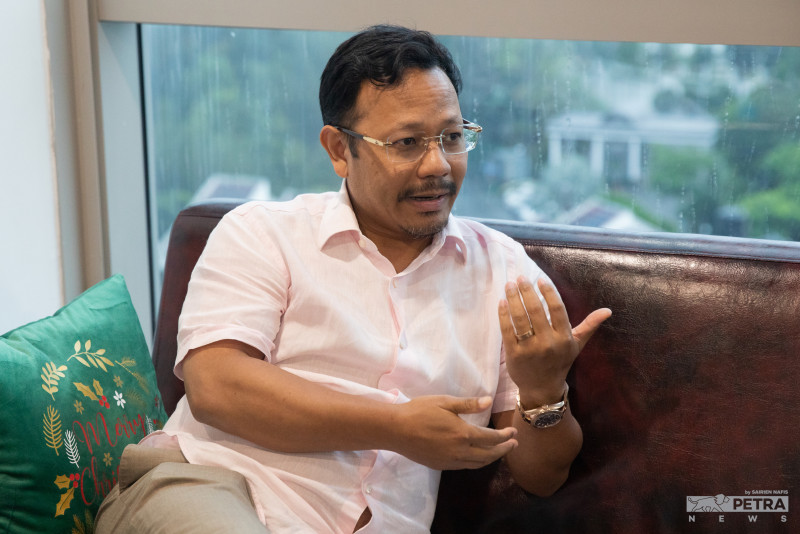
In an exclusive interview, Home Minister James Sangma spoke about how the relatively small state of just over three million people strives to achieve economic progress and maintain a steady flow of local food produce for its citizens.
“We realised that climate change has hit the world badly and we need to prepare ourselves for the future,” he said.
“So we’re working on establishing a ‘forest-first’ approach to the economy where we can simultaneously boost the economy and preserve our ecology.”
Meghalaya’s economic expansion has relied heavily on the mining industry, but this comes at the cost of natural elements like coal being extracted from its land.
Efforts are now being made to bank more on tourism by taking advantage of the natural attractions that the state is endowed with.
“We’ve managed to find a synergy between bolstering our tourism industry and protecting our environment by prioritising value over volume,” he explained, adding that the government wants to encourage tourism in more niche sectors.
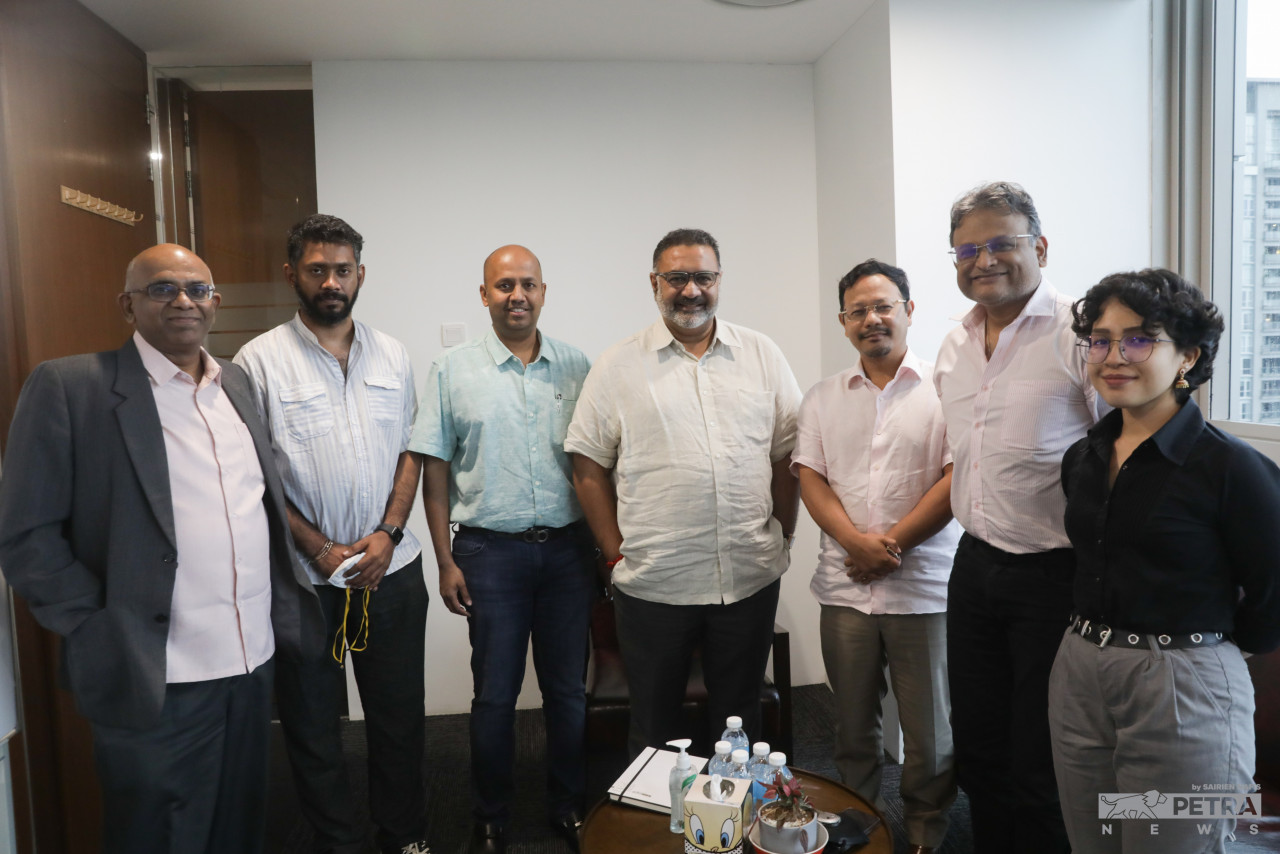
Sangma said this to The Vibes during a recent personal visit to Kuala Lumpur as a guest of Datuk (Dr) Vinod Sekhar, chairman and chief executive of PETRA Group.
Meghalaya – which means “abode of the clouds” – is in many ways a micro-Malaysia, he said.
Drawing similarities between the two places in terms of forest biodiversity and natural resources, he stressed that there is much to be learnt by comparing the challenges both face.
“There are lessons that we as a smaller state can also learn from this nation (Malaysia), and also success stories we aim to emulate as we push our economy forward while keeping the ecology in mind,” said Sangma, who also holds the dizzying portfolios of district council affairs, food civil supplies and consumer affairs, law, and power.
He was also awarded the Progressive Business Concept Award by the People for the Ethical Treatment of Animals for his promotion of vegan pineapple leather – an alternative that will protect animals and the environment.
Protecting forests and local communities
The Meghalayan government, led by Sangma’s elder brother Conrad Sangma as chief minister, has come up with a scheme to incentivise the conservation of community reserve forests – of which the state has no shortage.
One strategy they have employed is financially compensating people who adhere to more environmentally friendly methods of resource extraction.
While government intervention is not easy since a majority of land is owned by the indigenous communities, he said, efforts to enact policies geared towards the betterment of the collective society there have been relatively successful thus far.
“Community involvement is a social experiment we have carried out, and we’ve come to realise that without the involvement of the community, nothing is possible.
“The primary role of the government should be to act as a facilitator and strictly concentrate on policy-making,” he emphasised.
Food security is another focal point for the state, especially as it attempts to grapple with the mass migration of its rural folks to more urban areas like Shillong, the capital city.
Besides causing societal and cultural uprooting, this trend also places pressure on food provisions and facilities.
“Cities are already bursting at the seams from the sheer volume of people occupying them, so we want to have a process of reverse migration by providing equally good opportunities in the villages,” he said.
He stressed that while food shortage might appear an insignificant issue to some, there are long-term effects to the problem that will only be felt more as the years progress.
Preserving seeds and tailoring education for the future
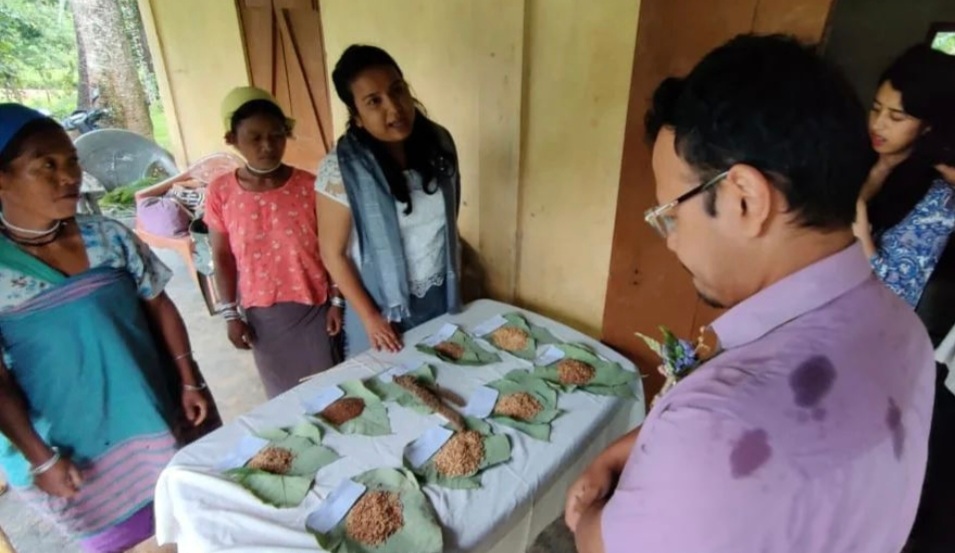
The government is also involved in a unique initiative to establish a community seed bank project for the preservation and promotion of plant species, especially those needed for agriculture.
As part of this project, Sangma launched a scheme earlier this month for the preservation and promotion of a 6,000-year-old rice species at Sadolpara, in Meghalaya’s West Garo Hills.
The idea of the project is also to understand its scope for further research and development of the species, so that large-scale cultivation could be made possible with the help of local communities, he said.
He said that since weather patterns in Meghalaya are erratic and unpredictable most times of the year, upholding the climate resilient rice species will serve to increase the state’s self-sufficiency.
Besides that, he said, there are plans to introduce a dedicated subject on climate change in the school curriculum to encourage critical thinking skills among students.
“Our existing subject, environmental science, is very general. Climate change has overarched it and the new subject will be more relevant since the topic affects everyone on some level.
“We will need to take corrective measures soon to address climate change,” he stressed.
“So by reaching out to students and giving them a stark perspective of how our environment is, they can begin playing a part towards innovating a better future.” – The Vibes, June 21, 2022