THE racial riots of 13 May 1969 remain etched in Malaysia’s national memory as a stark and painful reminder of what can happen when the fabric of a multiethnic society is torn by mistrust, political opportunism, and unbridled provocation.
Though some 56 years have passed, scholars, policymakers and concerned citizens alike continue to reflect on the tragedy not only as a moment of national mourning, but as an urgent call to safeguard the country’s fragile unity.
“The 13 May incident reminds us of a conflict where no one truly wins, as it brought harm to all communities and damaged the country’s international standing,” said an academician in the past.
He added that the episode reinforces the importance of adhering to Malaysia’s constitutional framework – often referred to as the “social contract” – which affirms Islam as the religion of the Federation, Malay as the national language, the special position of the Malays and natives of Sabah and Sarawak, and the sovereignty of the Malay Rulers.
“This event must be regularly recalled so that we constantly reflect, but more importantly, ensure it never happens again by safeguarding interethnic relations at all times,” he said.
Yet, despite years of progress, Malaysia’s social cohesion remains vulnerable. The academician, who is a university professor, warned of the growing threat of ethno-populism, a divisive political approach that frames society through racial and religious binaries, fostering resentment rather than reconciliation.
He urged political leaders to move beyond identity-based narratives and instead focus on bridging divides—particularly between Peninsular Malaysia and the Bornean states of Sabah and Sarawak—while promoting integration and shared national purpose.
The Flashpoint of 1969
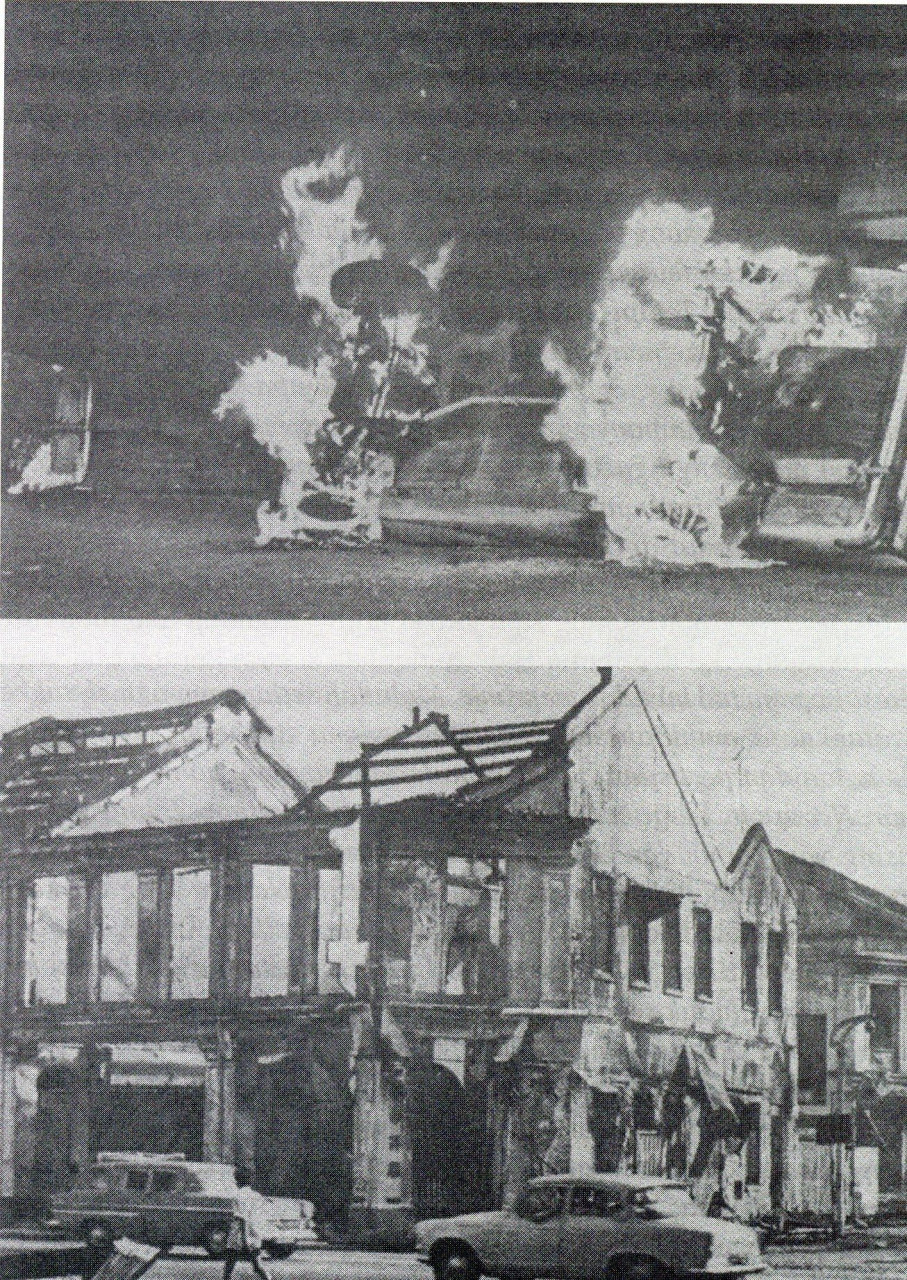
The riots did not erupt in a vacuum. While official records document 196 deaths between 13 May and 31 July, with 6,000 left homeless and hundreds of vehicles and buildings destroyed, the deeper roots of the crisis lie in long-simmering tensions over race, representation, and resource distribution.
In the lead-up to the 1969 general election, the ruling Alliance Party was confident of victory. However, the results delivered a political shock. The Alliance won only 66 seats—down from 89 in 1964—and lost control of Penang, while facing strong challenges in Perak, Selangor, Kedah and Terengganu.
New opposition parties such as Gerakan and the Democratic Action Party (DAP), buoyed by urban Chinese and Indian voters, made significant gains. Celebratory street marches by opposition supporters in Kuala Lumpur, marked by taunting slogans and offensive gestures, further inflamed tensions.
Simultaneously, internal discord within the Alliance saw the Malaysian Chinese Association (MCA) announce its withdrawal from government participation in protest against being scapegoated for electoral losses. The move added fuel to the fire, intensifying a sense of political vulnerability among the Malay community.
By 13 May, counter-marches were being planned, and in the early evening, violence broke out in the Setapak and Kampung Baru areas. Armed with machetes and iron rods, mobs clashed in what rapidly became a city-wide eruption of communal violence.
A state of emergency was declared the following day, and Parliament was suspended. The National Operations Council (NOC), led by then Deputy Prime Minister Tun Abdul Razak Hussein, took over governance until Parliament was reconvened in February 1971.
Beyond the Flames
Although sporadic racial skirmishes had occurred in earlier decades, the scale and severity of May 13 were unprecedented. Underlying socio-economic disparities, unresolved constitutional grievances, and politicised ethnic narratives had created a combustible environment.
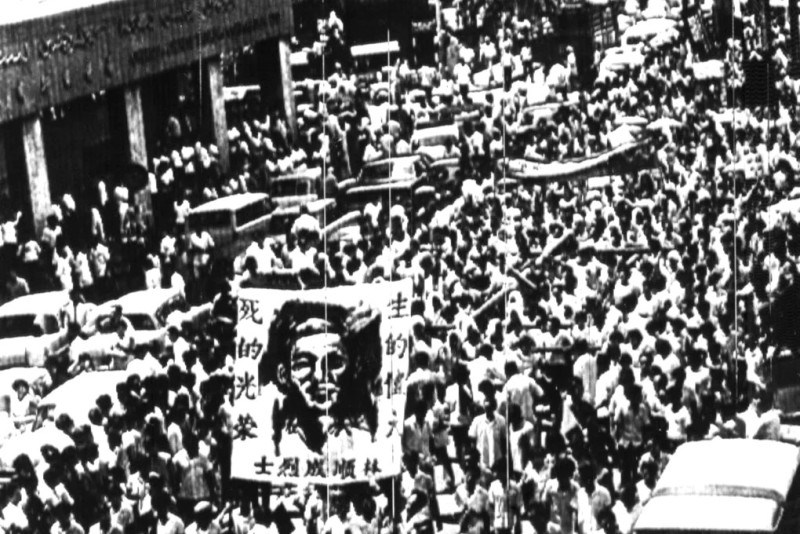
As historian accounts show, the seeds of unrest were sown long before the election. The fallout of Singapore’s separation in 1965, the rise of the “Malaysian Malaysia” narrative by the PAP and later the DAP, and the resistance to affirmative policies favouring Malays all contributed to rising tensions. The 1967 Penang riots, resulting in 25 deaths, were an ominous precursor.
The legacy of May 13 ultimately led to major policy shifts, most notably the introduction of the New Economic Policy (NEP) in 1971 aimed at eradicating poverty and restructuring society to reduce ethnic economic imbalances.
A History Never to Be Forgotten
Despite the decades since, May 13 is often invoked in Malaysian political discourse—not always as a call for unity, but sometimes as a deterrent to free expression or debate on sensitive national issues.
Observers argue that its legacy must be reclaimed as a lesson in justice, inclusion and foresight—not merely as a warning.
“As much as we are reminded of May 13 to avoid racial conflict,” noted one analyst, “we must also be reminded to build a more just society, where unity is not coerced by fear, but fostered by equality and respect.”
As Malaysia approaches future national milestones, including its chairmanship of ASEAN in 2025, the enduring message of May 13 must not be lost: that division, if left unchecked, can devastate; but unity, when cultivated sincerely, can rebuild. - May 13, 2025