MALAYSIA should intensify intra-ASEAN cooperation and deepen multilateral trade engagements to mitigate the impact of rising unilateral trade pressures, including the latest 25 per cent blanket tariff imposed by the United States, experts said.
Given the increasingly volatile global trade environment, they argue that a strategic pivot toward regional integration and broader economic alliances would help shield Malaysia from the effects of protectionist policies and ensure more resilient supply chains.
“Malaysia cannot control what other countries do, but we can choose how we respond—and we must do so in ways that serve our national interest,” Bernama cited economist Dr Nungsari Ahmad Radhi saying.
He noted that Malaysia has been negotiating with Washington since April to reduce the tariffs, with the most recent discussions held on 18 June. However, he stressed the importance of not relying solely on bilateral talks.
“We leverage US companies to lobby their own government, since much of our electrical and electronics trade involves intra-firm transactions,” he said.
“But over the long term, we must support multilateral institutions and prioritise regional integration,” he added, proposing deeper cooperation with Singapore, Thailand, Indonesia, and even cross-border customs union-style frameworks involving Sumatra, Kalimantan, Sabah, and Sarawak.
Putra Business School Associate Professor Dr Ahmed Razman Abdul Latiff agreed that negotiations with the US should continue, noting that other countries such as Vietnam and the Philippines have secured reductions.
“We hope that this time the negotiations will succeed in lowering tariffs, if not eliminating them. But Malaysia cannot depend on that alone,” he said.
“We must diversify our exports, identify new markets, and strengthen domestic production to cushion any sector-specific shocks.”
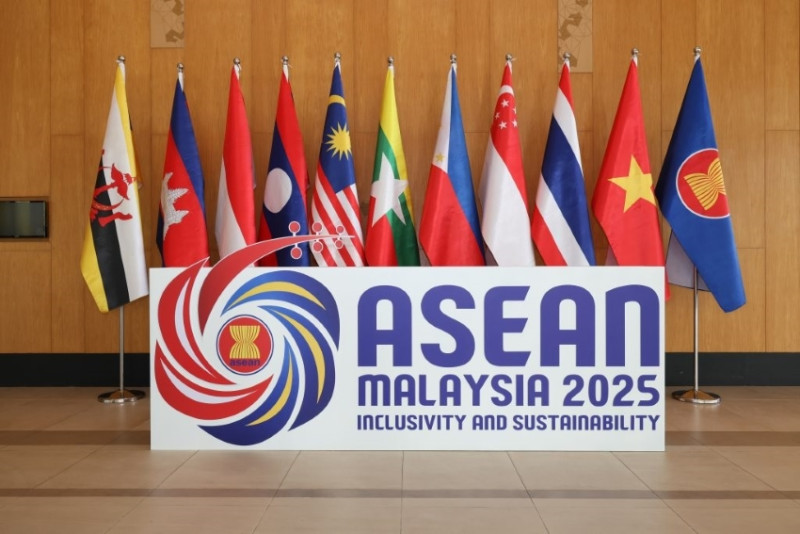
Dr Ahmed Razman also called for Malaysia to unlock more intra-ASEAN trade potential.
“ASEAN has huge untapped potential. Trade within the region reduces tariff exposure and helps stabilise supply chains,” he said.
He highlighted that Malaysia’s participation in major trade frameworks—including the Regional Comprehensive Economic Partnership (RCEP), the Comprehensive and Progressive Agreement for Trans-Pacific Partnership (CPTPP), and BRICS—offers pathways to lower costs, remove import duties, and enhance market access.
A letter from US President Donald Trump to Prime Minister Datuk Seri Anwar Ibrahim, dated 7 July, confirmed the 25 per cent tariff—one point higher than previously announced.
“The 25 per cent number is far less than what is needed to eliminate the trade deficit disparity we have with your country,” Trump wrote.
However, the letter also indicated that the tariffs would not apply if Malaysian companies chose to manufacture within the United States, with Trump offering expedited regulatory approval: “We will do everything possible to get approvals quickly, professionally, and routinely—in other words, in a matter of weeks.”
Commenting on the economic impact, Senior Lecturer Muhammad Ridhuan Bos Abdullah of Universiti Utara Malaysia said the new tariff measures will disrupt existing industrial supply chains.
“A national stabilisation policy is crucial to help the economy adjust. Bank Negara Malaysia and policymakers must step up with fiscal and monetary tools to contain the fallout,” he said.
He also pointed to rising labour costs in the US as a factor reshaping global competitiveness.
“Wage increases, higher borrowing costs, and tight labour markets are driving up costs for American businesses. Malaysia needs to understand these dynamics when positioning itself in global value chains,” he added. - July 10, 2025