THE brazen attack on the young son of former Economy Minister Datuk Seri Rafizi Ramli at a Putrajaya shopping centre has pierced the illusion of safety in places long regarded as secure.
It is a sobering reminder that no public space is immune to violence — and no child entirely shielded.
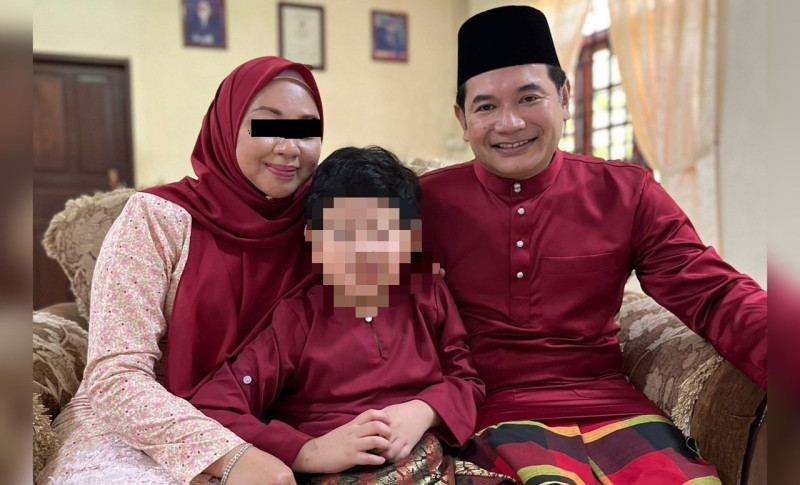
The incident occurred at approximately 1.45 pm on Wednesday, as Rafizi, his wife, and their 12-year-old son were preparing to depart the premises. According to Rafizi, a man dressed in black and wearing a full-face helmet forcibly pulled the boy aside and injected him with an unidentified substance using a syringe.
“This was not random,” Rafizi said, suggesting that the assault may have been a calculated move to silence him over matters he has raised publicly.
Prime Minister Datuk Seri Anwar Ibrahim condemned the incident as “an evil and treacherous act”, vowing a full and transparent investigation. “I have spoken to the Home Minister to ensure that the case is pursued without delay,” he stated via social media.
Police investigations are now underway under multiple provisions — Sections 324 and 352 of the Penal Code for assault and causing injury with a weapon, and Section 14(d) of the Sexual Offences Against Children Act, given the nature of contact involved.
Selangor Police Chief Shazeli Kahar confirmed that investigators are “examining all angles”, including a possible political motive. “There’s no concrete lead at this time, but nothing is being ruled out,” he said.
Thankfully, the boy has since been discharged from hospital and is said to be in good condition. Yet while physical wounds may heal, the psychological damage inflicted by such incidents can linger for a lifetime.
Children who endure trauma of this nature are often left grappling with lasting anxiety, nightmares, and a diminished sense of safety — consequences that can derail their emotional and social development.
This case — shocking as it is — must not be viewed in isolation. The rising boldness of attacks on children in seemingly ‘safe’ environments reflects a dangerous shift in societal boundaries. Whether the motive is personal, political, or psychological, such actions represent a profound violation not only of the individual but of our collective moral framework.
In the most troubling scenarios, such assaults may be linked to wider agendas, including organised crime or attempts at psychological intimidation.
It is incumbent upon the public to remain vigilant. Unusual changes in children’s behaviour, unfamiliar figures loitering in family spaces, or anything that raises suspicion must be reported without hesitation.
Law enforcement, meanwhile, must act with urgency and seriousness. Delayed justice — or worse, indifference — sends a dangerous message to perpetrators and leaves families to face their nightmares alone.
Rafizi’s personal tragedy should serve as a national wake-up call. The safety of children must never be compromised, and certainly not in spaces meant for family, leisure, and daily life.
This moment demands more than sympathy. It demands protection, prosecution, and a collective recommitment to safeguarding the most vulnerable among us. - August 14, 2025